I’m a journalist, travel writer, editor and copywriter based in Melbourne, Australia. I write pacy travel features, edit edifying websites and fashion flamboyant copy. My articles and photographs have appeared in publications worldwide, from inflight to interior design: I’ve visited every continent, and have lived in three. Want to work together? Drop me a line… 

Follow


Australia’s best resorts and hotels: The 10 best resorts and hotels in Australia

Australia’s best resorts and hotels? That’s a big call – take a look at this piece in this weekend’s Sydney Morning Herald for the top places to lay your head in Australia.

The writers named luxe safari lodges, industrialia in the Tasmanian wilderness, island stays and beach eco-resorts.

On an urban note, I tipped the seven Art Series Hotels in Victoria and South Australia, because the art is sublime, they’re so much fun, and who doesn’t like to wake up with Ned Kelly pointing a gun at your head?

You can read the story in full here, in the Sydney Morning Herald’s Traveller section.

Connect the dots: art in the Tiwi Islands, Northern Territory, Australia

Bathurst Island Lodge.
Photo: Belinda Jackson

Crocodiles and canvas make for a potent mix in the Tiwi Islands.

The speed boat tears down the broad brown river, and I feel 1000 non-human eyes watching us from the
primordial mangrove-lined banks.

“Can you smell the flying fox?” asks Kathy. It’s the first time I’ve been asked the question, and it distracts me from the earlier statement that a sneaky, opportunistic little croc lurks around the boat ramp where we boarded.

Thick and shining, the river cuts deep into Bathurst Island. Together with its much larger neighbour, Melville Island, and nine little uninhabited islands to the south, they make up the Tiwi Islands 15-minute flight or 2 1/2-hour cruise north of Darwin. Once, they were part of the landbridge that linked us to the
super-continent, Gondwanaland. Now, they’re broken and fragmented: a giant’s lonely, lovely footprint in the Timor Sea.

Melville Island airport.
Photo: Belinda Jackson

The Tiwis are but a blip on the tourism radar. Until now, barramundi hunters and football selectors have been pretty hushhush about their fertile hunting grounds, but a new culture tour has lured our party of five onto the islands. We fly over from Darwin in a Cessna 402C: the plane is so small that we all get a window seat, and you can count the number of seats on two hands, pilot included.

From above, the land is low, flat and surprisingly large; Melville is our largest island after Tasmania. The airport, however, is not large. But the first thing I see is a sign that the Essendon Football Club proudly supports the Tiwi Bombers. It’s unsurprising, given Kathy’s brother, Michael Long, is a Bombers’ legend, while her son, Cyril Rioli, is a Hawthorn midfielder.

The second most striking feature of the airport is the small concrete block that is the main building. Actually, it’s the only building. It is painted in wildly beautiful yellow, black and red Indigenous designs that sets the tone for the next few days: the Tiwi art scene is strong and all pervasive. The whole building is about the size of a small public loo. No ticket collectors, no customs officials, no taxi stand. Just the humidity and silence, broken only by the arrival of our minibus and the
departure of our plane. Welcome!

Art is everywhere, on the public building walls and in the burial grounds, where carved ironwood totems hold the spirits of those who have died.

Traditional art is even worn in the supermarket, where the older Tiwi women sport rainbow-bright prints designed and woven by the town’s “spiderwomen”, a dwindling number of weavers and printers who now find themselves head-tohead with cheap Chinese imports.

Woodcarver and artist Mario Munkara,
Tiwi Designs.
Photo: Belinda Jackson

A quick drive through the town of
Wurrumiyanga (called Nguiu until 2010) reveals an orderly society. There’s Meals on Wheels, a small hospital, Asian takeaway, school and the social club, where all the island gossip is exchanged and the only public place you can buy a drink. There’s a pool for croc-free swimming, opened by Olympic swimmer Leisel Jones and her mum, a church and Ngaruwanajirri, the Keeping House, a “bush cathedral” with a curved ceiling covered in a glorious riot of the Tiwis’ distinctive, geometric mulypinyini pwanga (lines and dots).

This art hub is where disabled artists meet to sculpt, paint, print and sell their wares: carvings, batik silk scarves, lino block prints and paintings using natural ochres. This morning, a group of men sit outside, carving elegant, long-necked birds from dense ironwood which they’ll then paint and sell to keep theplace going, essential now its limited funding has been cut.

“We started this program 20 years ago, but we’ve been unfunded the last three years, so I’m now a volunteer,” says John Naden, a former art teacher who runs The Keeping House with his wife Joy, also a dedicated teacher. There’s a
small display room and the art is priced cheaply to keep it turning over and to keep the artists busy. After all, who wants to be a starving artist, recognised only in death? The prized artworks are sent out to be celebrated across Australia and abroad.

Nearby, the town’s art stalwart, Tiwi Designs, is now in its fourth decade. When we enter, we’re ushered past racks of painted canvases and stacks of sculptured birds, past the silk printing tables and woven baskets, and out the back to a small
fire, which is smoking with green eucalyptus leaves.

“Obviously, you ladies are from the mainland. We don’t know what spirits you bring,” explains Vivian Warlapinni Kerinauia delicately, waving thick smoke over us with a leafy branch. A group of men and women dance around the smoking fire, telling of their totems or dreaming group of crocodile, shark, warship, turtle or buffalo. The men jump and twist, the women are more subtle, elderly hands graceful and evocative.

“Now you have a good spirit,” says Vivian. “It will guide you, give you an open mind.”

Artist Alan John Kerinaiua at Tiwi Designs Photo: Belinda Jackson

After we are cleansed by smoke, the artists return to their tasks. Shy and calm, Alan John Kerinaiua sits back down by his large canvas and picks up his fine brushes, his plastic
pots the trinity of the Tiwi palette – red, white and yellow ochre mixed with PVC glue, a fixer for flexibility and longevity.

The tour’s pace is slow, there is no dashing in and out. We drink tea and eat hot, fresh damper, graze from spectacular lunch boxes, chat with the artists and watch Tiwi Designs
manager Steve Anderson and gentle Vivian handprint a spectacular, nine-metre fall of gold
silk for a Byron Bay client. After lunch, it’s our turn, and Vivian and I imprint a drop of red cotton with a beautiful print by senior artist Jock Puautjimi. It’s my souvenir, it’s my new heartthrob.


There’s plenty to love: Tiwi art is an absolute crowd pleaser, whether you like wood carvings, sculpture, hand-printed fabric, ochre and acrylic on canvas, or tunga, delicately woven bark baskets. Pinned up on the walls are photos of famous admirers of Tiwi style, including Whoopi Goldberg and Boy George, while the art world’s admirers include the British Museum, which hangs several of its most celebrated artists, such as Jean Baptiste Apuatimi, who worked here for many years before she died in 2013.

It’s another short plane hop to the larger Melville Island, and once again, the Tiwis’ inherent artistic nature greets you at another extremely modest airport.

Photo: Belinda Jackson

The men’s and women’s loos are hand-painted in the local style: ladies with their dilly bags, men with their spears. At Jilamara Arts & Craft Association in Milikapiti, the happiest man on Melville Island, Brian Farmer, endures and answers our questions with a massive smile through his grey beard, felt cowboy hat stuffed firmly on his head.

“Every artist tells a story passed on by our forefathers,” he says. ‘‘Their country, the stars, the universe … You know the stars
guide us when we’re in the dugout canoe. We follow them back to our campsites. It’s all written there,” says Brian, who also runs a weekly school program about the dreaming, passing it on to the local schoolchildren.

“If you lose that, you lose your identity,” he says.

The light, airy gallery is full of weavings and bark paintings, canvases including one of the Tiwis’ best
known artists, Kitty Kantilla (Kutuwalumi Purawarrumpatu). Each work is stamped with the artist’s name, their skin and their dance – where they fit in close-knit society. For every item of artwork sold at the Tiwis’ art centres, the bulk of the money is returned to the artist and the remainder is put back into the operations of the Tiwi Art Network.

Over lunch at the nearby Melville Island Fishing Lodge, there are croc jokes a-plenty. A Johnny Horton fan in Milikapiti has named a local croc Bismarck, and Bismarck is ‘‘into dog control’’.

There are plans to launch a new tour that takes you to the islands’ freshwater pools (where you can definitely swim without crocs) or a spot of spear fishing (where you’ve got to be ‘‘cautious,’’ says local master of the understatement, Junior Guy). The big fellas are respected
for their cunning and their sheer power.

On the journey home, I unwrap my printed fabric from Tiwi Designs and a card falls into my lap. It is a stencil of a crocodile. Simple, sparse lines convey his lethal, sinuous curve. In both nature and danger, there is beauty.

The art is in capturing it.

FIVE OTHER ABORIGINAL ART TOURS
1  ROCK ART Kakadu-born Sab Lord and his knowledgeable indigenous team take you into Gunbalaya,  Arnhem Land, to view its ancient rock art at Injalak Hill and the rich Injalak Arts & Crafts centre. Day tours from Darwin cost $270 adults, $195 children, (08) 8948 2200, lords-safaris.com.2  SOUTHERN WONDER Guests staying at Longitude 131, overlooking Uluru, can take a rare, exclusive Ernabella Arts Tour into the APY lands of northern South Australia. The full-day tour costs $1000 per person, maximum 4 guests, (02) 9918 4355,
longitude131.com.au.
3  GO BUSH NSW’s Kur-ring-gai Chase National Park has more than 1000 Aboriginal Heritage sites. Visit them by land and water, with a 2.5 scenic cruise, a Welcome to Country ceremony and bush-tucker inspired lunch, $199 adults, $149 children, (02) 9099 4249, sydneyoutback.com.au.
4  GALLERY OF STARS View magnificent rock art galleries on tiny islands off the Kimberley coastline on the Kimberley Ultimate tour on the luxury True North
cruise, from $17,995, (08) 91921 829, northstarcruises.com.au.
5  BARK ART Journey deep into Maningrida, in Arnhem Land, to see woven sculpture, painted hollow logs and bark paintings. Costs from $789 a person, based on 4 sharing, including flight from Darwin, (08) 8985 3266, artconnections.com.au.

TRIP NOTES
MORE INFORMATION travelnt.com
GETTING AROUND The
three-day Ultimate Tiwi Island Tour runs until 11 September 2015. Costs from $2425 a person, including SeaLink ferry transfers or flights from Darwin, scenic flight to Melville Island, accommodation, meals and non-alcoholic beverages and all tour activities (art workshop with local artists, walking tour, wilderness adventure cruise, fishing options, turtle tour, and a museum and art centre tour). A three night/four day Tiwi Island tour costs from $3225 per person. Day trips to the island run Thursdays and Fridays until December 1, cost $319, Phone 1300 130
679; see sealinknt.com.au.

VISITING ART CENTRES Jilamara
Arts & Crafts Association is in Milikapiti, Melville Island, see jilamara.com. Tiwi Designs is in Wurrimiyanga, Bathurst Island, see tiwidesigns.com, a short distance from Ngaruwanajirri (‘helping one another’) at The Keeping House.

Belinda Jackson was a guest of Sealink NT and Northern Territory Tourism. 

This feature was published in Sydney’s Sun-Herald newspaper’s Traveller section.

Underwater clubs, living English literature, best kids’ travel destinations: Takeoff travel news

FOOD:  Up is down in the Maldives

The Maldives likes to turn
everything on its head: take, for example, Subsix, the world’s first
underwater nightclub. The club, which is 500 metres out to sea and six
metres under water, can be found at Per Aquum Niyama resort, which has
also just opened Nest treehouse restaurant. Dining pods are suspended
above ground, with wooden walkways linking the tables amid the jungle.
The restaurant serves Asian cuisines. Niyama is set on two islands in
the Dhaalu Atoll, named Play (think adventure sports and kids’ club for
12 months-12 years) and Chill (think spa). Other ‘‘altered reality’’
experiences in the Maldives include underwater restaurants (Conrad
Maldives Rangali Island, Kihavah Anantara) to overwater spas (pretty
much everywhere) and even government cabinet meetings (OK, that was a
one-off publicity stunt). See
peraquum.com 
.


GEAR Lather up for Sydney

 Ease homesickness for expat friends
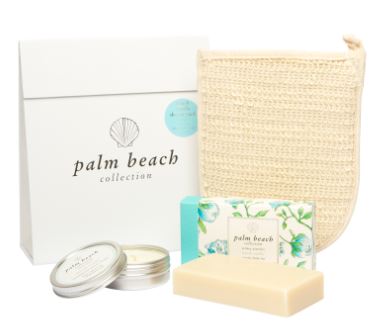
by sending them a little piece of Sydney. These new shower gift packs
hail from our northern beaches, and comprise a body bar, a soy candle in
a tin and loofah in three of the company’s best-selling fragrances;
French vanilla, vintage

gardenia and coconut & lime.
Palm Beach products are Australian made and owned by a local family
company. Shower gift packs cost $24.95 each. See palmbeach collection.
com.au.
 

AIRLINE Fly north for winter

Southerners chasing the sun will
welcome the news that Tigerair is increasing the number of flights from
Sydney to the Whitsunday Coast Airport at Proserpine. The north
Queensland town is a key jumping-off point for travel to Airlie Beach
and the Whitsunday Islands, including popular Hamilton Island. The new
Sunday service departs Sydney at 9.10am, and returns from Whitsunday
Coast at 11.15am with

a flight time of 2 hours 35 minutes.
The service starts October 25, priced from $89 for a Light fare, which
includes 7kg carry-on luggage. The airline has also increased flights on
its Melbourne-Gold Coast route, adding new Friday and Sunday services
from

September 18, just ahead of the term
three school holidays, with tickets from $79. The additional services
come as Tigerair cancels its Melbourne-Mackay route from September 7,
due to low demand. Tickets for the new services are on sale, see tigerair.com.


KIDS Have kids, will travel

Sydney Harbour has been voted
Australia’s most family-friendly destination in the newest edition of
Lonely Planet’s Travel with Children book. Sydney’s ferry rides,
picnicking on Fort Denison and catching the super-cat to Manly for a
surf lesson all add up to a top-notch staycation, says Lonely Planet.
Others in its top

10 top family-friendly destinations
include the theme parks of the Gold Coast and Canberra’s Questacon and
the National Arboretum Playground (nb: they also encourage knocking out
somersaults on the immaculate grass dome of Parliament House.) Tassie’s
ghoulish ghost tours get a guernsey, as does Brissie’s Streets Beach and
the kids’ activity rooms in

the Queensland Museum &
Sciencentre, Queensland Art Gallery and Gallery of Modern Art. The new
edition helps you take the brood to more than 80 countries, from Austria
to Zanzibar, with advice and tips for fun family travel. It costs
$29.99. See the new Lonely Planet Twitter and Facebook pages and lonelyplanetkids.com.

PICTURES In the frame

Celebrate Australian and
international photography at the month-long Ballarat International Foto
Biennale, which runs from August 22 to September 20. Central Ballarat
will host exhibitions by the 21 invited artists, with another 118 events
(and rising) in the fringe festival across the city. The festival’s
founder and creative director, Jeff Moorfoot, travels the world to bring
photographers’ work to the biennale. Those on show can be established
or emerging artists – the only criterion is that their works have not
yet been shown in Australia. Seven heritage buildings in the city centre
will host the major exhibitions, so you can skip between the Ballarat
Art Gallery and Mining Exchange to smaller galleries and bars for
projection projects and workshops, which cover subjects from light
painting to visual storytelling to Photography 101, from $79 to $475.
For the full program, see
ballaratfoto.org. For more photography festivals in the Pacific Rim, see
asiapacificphotoforum.org.


NEWS Crowded house

Wolf Hall, Poldark… Britain is on a
roll with silver-screen adaptations of some of its best loved
literature, showcasing its cities and villages. The latest is Thomas
Hardy’s romantic tragedy Far from the Madding Crowd, now in cinemas.
Filmed around Dorset, the novel is

set in the village of Evershot,
which Hardy renamed Evershead in his novels, a four-hour train journey
from central London. Hardy was also an architect, and in 1893 he
designed the drawing-room wing of what is now the Red Carnation’s
five-star Summer Lodge Country House hotel. Stays cost from $680,
b&b, double. Otherwise, wake from slumber in a four-poster bed to a
full English breakfast at the 16th-century Acorn Inn, mentioned in
Hardy’s Tess of the d’Urbervilles. Costs from $565 a night, double. See
summerlodgehotel.co.uk, acorn-inn.co.uk and visitbritain.co.uk

 The Takeoff travel news column by Belinda Jackson is published every Sunday in Sydney’s Sun-Herald newspaper’s Traveller section.    

Victoria’s food treasures: Close to home, far from tradition

Fine fare at Shannon Bennett’s Vue De
Monde

Having a quintessentially Victorian
food experience means eating locally, eating ethically, eating mighty
well, discovers Belinda Jackson. 


Melbourne loves a good spread with a
great back story, from the farmers who created your feast to the
heart-warming social-enterprise stories served on the side. And you can
easily call yourself a locavore, eating within 150 kilometres of where
you stand, no beard or triangle tattoo required. In fact, it’s a
cakewalk – at times, literally.


Let’s start at the epicentre of the
city, downtown Melbourne, with our signature brew, cofee. Prop up the
bar with a heart-starter at much-lauded local roasters who comb the
globe to make friends with farmers, espouse ethical production and
support sustainable harvesting of the glory bean. Tis mission will see you sipping on
siphon, cogitating with cold drip or elucidating with espresso at Dukes
Cofee Roasters (247 Flinders La, dukescoffee.com.au), the iconic St
Ali ( 12-18 Yarra Pl, South Melbourne,
stali.com.au), Padre Cofee ( South Melbourne and Queen Victoria markets,
padrecoffee.com.au), or the spanking-new Sir Charles (121 Johnston St, Fitzroy), to name but a few.


Coffee at Dukes in Flinders Lane

We’re not all coffee tragics. Tea is,
of course, the new coffee, so get the pinky in the air like you don’t
care and sip Storm in a Teacup ’s beautiful fnds from across the globe,
supporting what they call artisan farmers (48A Smith St, Collingwood, storminateacup.com.au).

Otherwise, pop in to the doily-free zone of the Travelling Samovar Tea House (12 Rathdowne St, Carlton North,
travellingsamovar.com.au).


For a taste of social goodness, pull
up a pew and go crazy with Myrtleford cultured butter and Melbourne
rooftop honey on toast for breakfast, free-range chicken from Milawa for
lunch or call in for a local Dal Zotto prosecco from the King Valley at
social enterprise restaurant and slow-food champions Feast of Merit (117 Swan St, Richmond, feastofmerit.com). 

Or get of the streets and into the clouds at chef Shannon Bennett’s
Vue De Monde to revel in its lauded eco-design and organic produce (Level 55, 525 Collins St, vuedemonde.com.au ). Bennett’s Burnham Bakery
and Piggery Café are the frst phase of his culinary village Burnham
Beeches, in the Dandenongs (1 Sherbrooke Rd, Sherbrooke,
burnhambakery.com.au & piggerycafe.com.au). 
 

Lovers of a cleansing ale, discover
the world of micro-breweries with the craft beer afcionados at Slow Beer
(468 Bridge Rd, Richmond,
slowbeer.com.au) or for drink for world peace at Shebeen, which sends all its profts back to the developing world (36 Manchester La,
shebeen.com.au). 


So you thought it was all Victorian airs and graces south of the border? It’s time to reveal the special thing we’ve

got going on with our cows and
goats. 

Pasta and petanque at Lavandula Swiss Italian Farm

If you’re time-poor or hyperventilate at the city limits, you’re
spoilt for choice of cheese in Melbourne. Go crazy on croque monsieur at
Fitzroy’s Shifty Chèvre , which opened just before Christmas (375
Brunswick St, Fitzroy, shiftychevre. com), order a late-night fight of
cheese with wine at Milk the Cow , in St Kilda and now Carlton (milkthecow.com.au) or wrap a slab-to-go of Melbourne cheese – that’s coffee-seasoned
pressato – at Il Fornaio (2C Acland St, St Kilda ilfornaio. com.au).
The Spring Street Grocer boasts Australia’s first underground cheese
cellar ( 157 Spring St, Melbourne, springstreetgrocer.com.au), while all the cheeses in La Latteria are made using Victorian cow’s milk (104 Elgin Street, Carlton, lalatteria.com.au). And what’s not to love about the city’s go-to cheese room, the
evergreen Richmond Hill Cafe and Larder ( 48-50 Bridge Rd, Richmond, rhcl.com.au)?


If you’re playing away from the big
city, plug Apostle Whey Cheese into your GPS while cruising the Great
Ocean Road (Cooriemungle, apostlewheycheese.com.au) and the
lactose-intolerant don’t have to look away: Main Ridge Dairy and Red
Hill Cheese, on the Mornington Peninsula, both produce handcrafted
goat’s cheeses (mainridgedairy.com.au, redhillcheese.com.au).


Peppers Mineral Springs Hotel

Now pack your picnic basket and head
for the hills. Autumn and winter showcase the beauty of the Macedon
Ranges, just 90 minutes from Melbourne. Yes, it’ll be cold: you can do
it. Think chunky knits, hot spiced drinking chocolate and rich, autumnal
colours.


Go exploring on a country drive
through Daylesford and its villages: soak up a robust ragu over pasta
and play pétanque at the Lavandula Swiss Italian Farm ( Hepburn Springs,
lavandula.com.au), track down secret cideries and Victoria’s beery
beauties at Woodend Wine Store (woodendwinestore.com.au) or pack a hamper full of central Victorian charcuterie delights at too-cute Kyneton’s Piper Street Food Company ( Kyneton,
piperstfoodco.com). Thus sated, steam yourself in the region’s rich mineral waters and
splash out on an exquisite facial at the serene Hepburn Bathhouse &
Spa (hepburnbathhouse.com).


It’s not just about corporeal
pleasures: enter the wildly wonderful world of renowned artists and
eclectic collectors David and Yuge Bromley (Daylesford,
bromleyandco.com) then wind down in the irreverent penthouse of Daylesford Convent (conventgallery.com.au) or Peppers Mineral Springs Hotel. 

Expect high tea and rare-breed
meats from the hotel’s own farm in the one-hatted The Argus Dining Room (
Hepburn Springs,
mineralspringshotel.com.au).

 If you can, time your visit for the
Daylesford Macedon Produce Harvest Festival, from April 24 – May 3. Now
in its seventh year, it promises to get your hands dirty messing with
local producers, chefs and vignerons, making goat’s cheese, learning the
basics of butchery, baking sourdough or taking a martini masterclass (dmproduce.com). 


Organic, biodynamic, fantastic – welcome to the good life.


Brought to you in association with Tourism Victoria. 

This feature was published in the Sydney Morning Herald newspaper’s Traveller section. 

Melbourne’s best street art in your home


Melbourne’s very proud of its street art, and one of our most recognised artists, Adnate, is releasing a limited edition of hand-finished giclee prints inspired by the remote indigenous community of Nitjpurru, in central Australia. 

I’ll hand over to the guys from Juddy Roller street art consultants and curators, who will let you know how to get hold of a print.
All profits from the sale of the prints will go back to the community. The print will be available exclusively online via Juddy Roller. Check out the
video below, prints go on sale this Friday at 1pm!

Adnate releases his first hand finished print.
All profits will be donated to the people of Nitjpurru.

 Watch
the video here – 
https://vimeo.com/134061365
In September
2013, Adnate was personally invited to visit a community located in an isolated
area of the central desert in the Northern Territory of Australia. Led by
Indigenous Hip Hop Projects and Katherine West Health Board, it was an
incredible experience to join them on their journey. Adnate spent five nights with
the local indigenous community, Pigeon Hole, also known as Nitjpurru. It was
here that Adnate had one of his most important and integral connections with
the indigenous peoples of Australia. He experienced first-hand their ancient
culture, the immense beauty of their land and the people of Nitjpurru.
During his
visit, Adnate was granted permission from the local Elders to photograph the
members of this ancient community. After taking over 1,000 photos Adnate
selected the most powerful images and painted two murals on buildings within the
community. These photos have become the inspiration to some of the most important
work of his career to date. They have been featured in massive murals in
countries all over the world. Adnate hopes that this series is able to raise
awareness of the Indigenous Australians and their struggle to survive in the
modern world.
Adnate has
yet been able to give back directly to the community of Nitjpurru and in the
indigenous cultural spirit of sharing wealth within their communities, all
proceeds from the sale of this highly collectable print will be going directly
to the local school of Pigeon Hole. This will directly contribute towards the education
and wellbeing of the inspirational children of Nitjpurru.
This is
Adnate’s first, hand finished Giclée print. The print has been produced using high quality archival Giclée inks by the renowned Dangerfork printing company. All
prints have been hand finished with a traditional dressing applied to each
print individually by the artist.
–   $250 inc GST, Includes postage and packaging (Australia only)
–    Prints will be released online at 1pm Friday July
24 (GMT + 10)
–   Giclée print on 310gsm HahneVideo muhle archival
paper,

hand-finished with Montana
Acrylic Ink, Edition of 200. Signed, numbered and uniquely hand-finished by the
artist
–   Size 600mm x4250mm
–   All Profits going to the Nitjpurru, ‘Pigeon Hole’
Community in the desert of central Northern Territory, Australia
Available exclusively online at
Many thanks to the guys at Round 3 Creative for the amazing video clip!

Myanmar, floating whiskey bars and Australia’s cutest animal, officially: Takeoff travel news

TRENDS: Discover secrets of Myanmar

Myanmar has set our travel radars
afire since Lonely Planet named it in its top 10 must-visit destinations
back in 2012, when Australia lifted its sanctions against the country.
Now, Trafalgar becomes the first of the larger group tour companies
offering coach tours to enter the market in 2016. Its new 11-day Secrets of Myanmar tour traverses the well regarded sights of Yangon,

Inle Lake and Bagan and goes off
track to include a cooking class and local markets, visiting some of
Myanmar’s ethnic minorities, the Pa-O, Danu and Intha people. Before Trafalgar’s entry, the tourism market

had been dominated by smaller group
operators including Peregrine, which has been running tours since 2002,
World Expeditions and budget-minded Intrepid Travel. Travel pundits say
Myanmar’s infrastructure is still weak, with poor roads, a lack of ATMs
and poor communications (ie shaky Wi-Fi), though the big hotel groups
are moving in. 

Accor plans to open four new hotels in a country regarded as one of south-east Asia’s most mysterious and most beautiful.
Trafalgar’s 11-day Secrets of
Myanmar guided holiday costs from $4875, excluding airfares, with
departures between January 27 and December 7, 2016. Phone 1300 797 010,
see trafalgar.com.  
 

EXPLORE: Go with the flow

Fossick for gold, unearth a thunder
egg from an ancient lava flow or spot the rare Gouldian finch on a new
self-drive route in Far North Queensland. The new Lava Tubes, Gems and
Gorges Trail is an offshoot of the Savannah Way, which links Cairns and
Broome in an epic 3700-kilometre drive across three states and five
World Heritage sites. The new trail is a 300-kilometre circuit from
Minnamoolka to Conjuboy, inland from Queensland’s Mission Beach. En
route, take a river cruise down Cobbold Gorge, hunt for topaz at
O’Briens Creek and walk down the world’s longest lava tubes – caves
created by lava flows – at Undara Volcanic National Park. Thirsty work?
Pull in to Australia’s smallest bar at Lynd Junction to recoup. Also
check out the nearby Kirrama Range Road, which was mapped late last
year. Find the trails at visitor information centres or see
drivenorthqueensland.com.au.
 

DRINKS: Dram roll

 If you thought whisky and cruising
were uneasy bedfellows, think again as you order up at Magnums, the
first whisky bar on the Princess Cruises line. Staff at the new bar, on
board the locally based Dawn Princess, will lead you through 63 fine
whiskies, from Tasmania to Japan to the US and Scotland. You’ll find
single malts from New Zealand, American bourbons and even a Melbourne
offering. Try a nip or order the flight of the day, featuring three
different whiskies. The cruise line says the spirit is hot, and
recommends a dram after dinner or on a laidback sea day. Cruises on the
Dawn Princess include the 13-night round trip from Sydney

to New Caledonia and Vanuatu from $1399 a person, twin share, departing January 16, 2015. Phone 132 488, see princess.com

Silver fox Roy Billing.

TOUR: NZ fox trot for boomers

On your marks boomers. Your
adventure trip to New Zealand awaits. The new Silver Foxes and Foxettes
tour is aimed at baby boomers who want to live for the moment and
#saysorrylater. Check out the social media campaign, which encourages
you to SKI (Spend the Kids’ Inheritance). The ringleader of the new AAT Kings tour is actor Roy Billing (pictured), a proud Kiwi, Underbelly

and Jack Irish star and 2015
recipient of the Medal of the Order of Australia. Billing helps mix New
Zealand’s heady beauty and fine tables with a dash of jet boating or
heli-wine tasting. The 10-day tours start in Billing’s hometown,
Auckland, then on to Rotorua for a hangi feast before

heading to the South Island’s
Christchurch, Franz Josef Glacier and Queenstown. Tours depart from
September 13, 2015 to May 22, 2016 and cost from $3795 a person, twin
share. Phone 131 415, see
helloworld.com.au/instore/silverfox.
 

GEAR: Stop the noise

So your carry-on bag already bulges
with laptop, camera, work gear or perhaps the accoutrements required by a
junior traveller by your side. Who has room for big headphones?
Fortunately, sound masters Bose have the answer, with their QC20 in-ear
headphones. Fully charged, these little babies offer 16 hours of noise
cancellation, and act as regular earphones even when uncharged.
The incredibly effective “noise
cancelling” mode will block out even your neighbour’s droning, while
“aware” lets you pick up traffic noise (handy when you’re on the move)
without having to corkscrew them tightly into your ears. They also
feature an inline mike and volume control. First released in 2013, the
new models come in black or white, tailored for iPhones/iPads/iPods,
Samsung Galaxy or Android devices. Includes a tidy zipup bag and earbuds in three sizes. Quiet Comfort 20 acoustic noise-cancelling headphones cost $399. See
bose.com.au.  
 

KIDS: Wild life

Australia’s cutest animal, Archer the koala.

July birthday kids will gain free
entry to Featherdale Wildlife Park, in western Sydney, which also
celebrates its birthday this month. The park is home to Archer the
Koala, officially the cutest animal in Australia, thanks to a recent
poll. Archer, who was hand-raised by

Featherdale staff, beat competition
from around Australia including gang-gang cockatoos and quokkas, and
details his life on his Facebook page @ArcherTheKoala. Featherdale includes a petting zoo
with baby lambs, goats and pigs, as well as Australia’s own baby
bilbies, wallabies, dingoes and wombats, while the fearless can sidle up
to snakes or tangle with a Tassie devil.

  
Open 9am to 5pm daily, 217 Kildare
Road, Doonside. Adults $29.50, children (3-15 years) $16, families from
$56 (1 adult, 2 kids). Phone (02) 9622 1644, see featherdale.com.au/birthday

 The Takeoff travel news column by Belinda Jackson is published every Sunday in Sydney’s Sun-Herald newspaper’s Traveller section.   

Elan Soho Suites review, Darwin, Northern Territory: Weekend Away

REVIEW The Getaway

Belinda Jackson checks out Darwin’s newest hotel and its ‘‘help yourself’’ attitude.


THE  PLACE 

Elan Soho Suites, Darwin.


THE LOCATION 
Darwin’s central business district, five minutes from Smith Street Mall and a 10-minute walk to the waterfront. 

THE SPACE The 4 1/2-star hotel, which opened
in December 2014, has 301 rooms. Planned as an apartment block, it
morphed into a hotel part-way through construction. Like the forest of
small high-rises around it, don’t expect any architectural masterpieces,
or even a lavish lobby, which indicates its original intention: it’s
purely business here. Choose from a hotel room or oneor two-bedroom
apartments with kitchens, laundries and balconies.


THE ROOM The two-bed apartments have two bathrooms, a good option for groups. The king bed in my hotel

room is comfortable, with great
pillows and a choice of either aircon or an overhead fan. It’s all very
pared back, in a neutral palette of grey, white and beige. The
minimalist design attitude continues into the bathroom, where only the
basics (soap and shampoo) are supplied. Anything else is on demand, to
lower costs.


THE KIT With a combination of sweltering
temps and croc-infested beaches, thank goodness there’s a pool. It’s
open-air and unheated, no bother for this deep southerner. Happily, as
most Territorians won’t dip a toe in until it’s above 30 degrees, you
should have the 17-metre pool to yourself for a morning dip. It’s right
beside the gym, on level six.


COMFORT Tapping in to Darwin’s very young
population, with an average age of about 30, the hotel is tech-savvy.
Manager Steve Frichot says Elan

aims to reduce clutter for a
streamlined room. I think it’s lacking by not having a clock anywhere,
but you can use the room’s phone to self-program a wake-up call. It will
shortly become just one of a handful of Australian hotels that lets you
check in and even unlock your room with your phone, and you will be
able to order room service from Seoul Food, downstairs, through the TV,
which is conveniently kitted out with a media hub with international
power points (look, Mum, no chargers!). Wi-Fi is free for the first 20
minutes but then ups to $15 a day: not a rarity in Darwin.


FOOD 

The 24-hour room service is supplied
by Seoul Food restaurant and cafe, right beside the streetlevel
reception. It’s a sunny breakfast spot, serving an excellent eggs
hollandaise with good coffee to go. Seoul Food touts itself as Darwin’s
first Korean

restaurant, kicked off by Choong Jae
Lee, now a Northern Territory culinary ambassador. He tips the
bibimbap, coffee-braised beef cheeks and crispy-skinned local
barramundi. Sadly, I have a prior dinner engagement, but the restaurant
is licensed: they had me at ‘‘Bombay or Hendricks?’’


STEPPING OUT It seems all of Darwin is at the
Mindil Beach Sunset Market, which runs every Thursday from 5pm to 10pm
and Sundays from 4pm to 9pm, until the last Thursday in October. Arrive
with an empty stomach and shop the food vans for dinner: choose from a
Sri Lankan curry or Greek souvlaki, a plate of oysters or paella, then
head down to the sand to eat while watching the sun set. See
mindil.com.au.


THE VERDICT
This hotel will appeal to
self caterers, small family groups and those who just want a fuss-free
room. For the best water views, go for a high corner room in the
27-floor hotel. Manager Steve Frichot tips room 2504. A warning:
Darwin’s hotels have been shamelessly pumped up by fly-in, fly-out gas
workers, with seemingly bottomless pockets to pay for accommodation; so
dry (high) season prices are double the out-of-season tariffs. The trick
is to travel in the shoulder months.

   
ESSENTIALS 

Jetstar, Qantas and Virgin Australia
fly direct from Sydney and Melbourne. Rooms start from $299 during the
dry season, until October 31. The Dry Season package costs $339 a night
with breakfast, two drink vouchers and a late check-out. Elan Soho
Suites is at 31 Woods Street, Darwin, phone (08) 8981 0888. See
elansohosuites.com.


This review by Belinda Jackson was published in the Sydney Morning Herald/The Age

Wildlife in the Top End, new hotels for Adelaide, chop-chop, shop-shop: Takeoff travel news


NEWS: Spike in tours to Top End

Go deep into the tropical Top End to
explore the wildlife of Kakadu and the Mary River on safari with
Australia’s most decorated ecotour operator, Echidna Walkabout Nature
Tours. ‘‘This is where nature is still in charge,’’ says director and
guide Janine Duffy, who lists bustards, wallaroos and short-haired
wallabies as her favourite finds, as well as crocs, wild pigs and rare
birdlife. ‘‘It’s slow travel; you need to spend the time to discover the Top End,’’ she says.

Echidna Walkabout Tours won gold in
London last year at the World Responsible Travel Awards, named Best for
Wildlife Conservation, and recently became just one of three responsible
tourism operators in the world to be awarded the highest rating in the
Ethical Travel Guide by Tourism Concern, a charity that campaigns for
ethical and fair-trade tourism (tourismconcern.org.uk). The Wild Top End tour runs from
August 3 to August 9, 2015, and again in August 2016. The maximum group
size for the six day tour is 16 people. Costs $3300 a person. Phone (03) 9646 8249, see echidnawalkabout.com.au.  


FOOD: The world at your table

It’s a dreary night, so why not walk
the streets of the world with this new cookbook exploring the world’s
great street foods. Spend the night dining on Santorini’s tomato
fritters, barbecue pulled pork sandwiches from South Carolina, Iran’s
moreish jujeh kebab (saffron chicken) or kara’age chicken from the
izakayas of Tokyo. More than 150 easy recipes are drawn
from the four corners of the globe, most for four to six people,
because it’s all about sharing. Don’t miss the handy little Tricks of
the Trade section, which gives simple, straightforward advice about not
overfilling woks, roasting stock bones before you boil them and how

refrigerating dough makes your pizza crusts bubbly and chewy. This is author Jennifer Joyce’s 10th
book and she is also a food stylist for London mags, so expect beauty
on every page. My Street Food Kitchen is out on July 1 and costs $39.99.
See
murdochbooks.com.


KIDS: Rock on, baby

For the tiniest babes on the go, the
new Sleeper portable bassinet from Dutch-born Puckababy is a snug,
secure portable bassinet suitable for newborns and babies up to four
months, or 6.5kg and 64cm long. The soft bassinet is lightweight and
swaddles the baby with a neat crossover fold that is also a handle for
easy carrying and gentle rocking. Made from 100 per cent cotton, the
fabric is fully washable and carries a 1.0 tog rating. Ideal for planes,
trains and keeping baby safe and sound at home. Costs $179.95. See
puckababy.com.au.


GEAR: Chop, chop! Shop, shop!

Navigate China without currency woes
with a new prepaid travel card from Australia Post and Chinese firm
UnionPay, which is underwritten by the Bank of China. Charge the
Load&Go China card up with

Australian dollars and lock in a
fixed exchange rate into Chinese yuan, then it’s time to go shopping.
You can use the card at ATMs and point-of-sale terminals, paying in the
local currency. The reloadable card goes where foreign credit cards
aren’t accepted and as it’s prepaid, your bank accounts are safe and
unlinked. The card can be registered and locked with a PIN, and any
unused yuan can be converted back to Australian dollars when you come
home, without commission fees. Purchase in Australia Post offices or see

auspost.com.au/loadandgochina


HOTELS: Sage advice for stayers

Adelaide is the site of a new hotel
brand, with the old Grand Chifley Hotel recently rebranded as
Australia’s first Sage Hotel. The four-star hotel targets business
travellers with an eye on the balance sheet: rates include free Wi-Fi,
and laundry and minibar prices it says are comparable to convenience
stores. The property is in the prime location of South Terrace,
overlooking the city parklands, and is close to Adelaide’s free tram.
The Chifley Wollongong will rebrand to Sage in August and a new build in
Perth opens in March 2016. Sage’s parent group, the Singapore-based
SilverNeedle Hospitality, has 55 properties in the Asia-Pacific region
including the Country Comfort brand and Next Hotels, which debuted
recently in Brisbane. The Sage Hotel Adelaide has an opening special of
$99 a night, deluxe queen room only, until July 31. See
silverneedlehotels.com

TECH: Van of your dreams

So you’re listening to the call of the open road, but don’t have the vintage Airstream caravan to tow along for the ride? 

Log on to the new website for
MyCaravan.com, which hooks up would-be caravanners with the wheeled home of their

dreams, including motorhomes and
camper trailers. Owners can rent out their vans when they’re not in use,
and renters can save themselves the headache of van storage,
maintenance and registration, while paying up to half the price quoted
by commercial rental companies. The new website rates and reviews
vans as well as owners and renters, and also has a no-tow, no-woe section
for on-site vans, saving tow-bar-less renters any hauling hassles. Some owners will also relocate their vans for you, for a fuss-free, affordable holiday. See
mycaravan.com.au
 

The Takeoff travel news column by Belinda Jackson is published every Sunday in Sydney’s Sun-Herald newspaper’s Traveller section.   

The outlaw in the frame: Ned Kelly tourist attractions, Victoria, Australia’s ultimate hipster

Hero or villain, Ned Kelly was Australia’s original hipster, writes Belinda Jackson.


I’m lying in bed and a masked man
hovers nearby, clad in armour, brandishing a sawnoff rifle. And then it
comes to me: Ned Kelly was the ultimate hipster. 

Unforgiven by Adam Cullen (Ned Kelly and Constable Fitzpatrick),
2011

He had the beard. He
had the country hideaway. He definitely had the anti-establishment
attitude, and he was into designing his own clothes, which are still
distinctly his own, even 135 years later.


It’s only fitting, then, that Ned is
celebrated in Melbourne’s hipster digs, The Cullen hotel, in edgy,
inner-city Prahran. 

He’s in the lifts, he’s in the corridors, he’s on my
bedroom wall, watching over my bed, a metal can on his head, Winchester
repeater aimed high behind me.


The Cullen celebrates the work of
Archibald prize winner Adam Cullen, who died in 2014, aged 46. ‘‘Cullen
was … interested in representing other bad boys, criminals and
bushrangers,’’ says Tansy Curtin, senior curator at the Bendigo Art
Gallery.


The Cullen Stormie Suite

 
Staying on the hipster theme, I
ponder: what would Ned drink? Probably home-made rum, so the guy was
obviously a locavore, eating and drinking from within 100 kilometres of
his home.


This guy was into fashion, sporting handcrafted clothing.


Following suit, I raid the
offlicence just behind the hotel for a pinot grigio from the King
Valley, prime Kelly country, and score handmade pizza from the famed
ovens of Ladro, nearby.

  
And this guy was into fashion,
sporting hand-crafted clothing. 

‘‘Ned was a dandy,’’ says art curator
Andrew Gaynor, who leads me through the wealth of Kellyinspired art at
The Cullen.


‘‘Beneath his armour at the Siege of
Glenrowan, he wore a silk waistcoat, pin-striped trousers and a green,
silk cummerbund. The gang cut a really good figure, and Ned had plenty
of sympathisers to his cause for a new, free state.’’


Hero or cop killer? Choose your fairytale, which is now overlaid with decades of research, turning up crooked judges, botched

investigations and plenty of gloves-off England versus Ireland racism.


‘‘There’s so much we didn’t know until recently,’’ says Kellyphile and guide Airi Repetti, at the State Library of Victoria.


The stately building is home to Kelly’s original set of armour, forged from a set of ploughshares.

   However, if you went looking for the
44-kilogram suit of armour, you’d find a polite note telling you to go
to Bendigo, where it’s the hero artefact in a new exhibition that
celebrates the Kelly legend, Imagining Ned.


The exhibition brings together some
of the most memorable images of the man, from the Kelly series by Sidney
Nolan and his contemporary, Albert Tucker, to one entire room dedicated
to

Cullen’s huge, rich works of the players in the Kelly saga.


Edward’s Bag of Fruit by Adam
Cullen

There are photos of the bushranger’s
commanding, handsome face in a portrait he had taken just days before
he was hanged, sporting a full bushranger’s beard and an oiled quiff.

  
And beside it, created just days later, the impossibly sad death mask of Kelly, clean-shaven and vulnerable for eternity.


His head was cut from his body to
create several moulds and, a week after his execution, the general
public could ogle the death mask in the Bourke Street waxworks museum
owned by the maskmaker, Maximillian Kreitmayer, who used it to link
criminality and lowered brows in

the crack science of phrenology.
While his bones were interred in a country town’s cemetery in 2013,
Ned’s skull is missing still, which only adds to the legend.


There’s a bound manuscript of Peter
Carey’s novel, The Secret History of the Kelly Gang; a reward poster
offering the fortune of £8000 for the four men at a time when a
labourer’s annual wage tipped £50; pictures of the siege printed on
chocolate boxes; and Ned’s Snider-Enfield 0.577 calibre long rifle.


It’s only 135 years, or four
generations back, that Ned Kelly was hanged in Melbourne Gaol. As I’m
driving back to Melbourne from Bendigo, an angry talkback caller is
blasting the radio, comparing executed drug

smugglers Andrew Chan and Myuran Sukumaran to Ned Kelly.


‘‘It’s just this stupid Australian habit of turning criminals into heroes!’’ she fumes.


The Schaller Studio lobby, Bendigo

A week later, my child’s ballet
teacher mentions that her elderly mother knew the Kelly family. ‘‘It
seems no one wanted to know them, in the past,’’ I say. ‘‘Yes, but we
all know what the police did – the rapes, the harassment,’’ she says,
matter-of-factly.


Brought up by Irish Catholic nuns,
my sympathies can only go the way of the Kelly gang, with its backstory
of police harassment, the assault of his sister and the sentence of
three years’ hard labour for his mother, while carrying a newborn babe.


On the other side of the fence, he’s
a pathological liar, layabout criminal and unremorseful murderer,
preferring armed robbery to honest farm labour.


Criminal, anti-hero, cult leader or
Australia’s answer to Robin Hood? Despite the new exhibition and the
museums, the jury is still out.


Such is life. 

TRIP NOTES
STAYING THERE Images
of Ned Kelly feature throughout The Cullen hotel. Costs from $209 a night for a
studio suite, 164 Commercial Road, Prahran, thecullen.com.au. In Bendigo, its sister art hotel, The
Schaller Studio, costs from $115 a night for a Workspace Queen, cnr Lucan &
Bayne Sts, Bendigo. Phone 1800 278 468.
artserieshotels.com.au/schaller.
THINGS TO SEE AND
DO

Imagining Ned shows until June 28. Bendigo
Art Gallery (closed Mondays) has free tours at noon Wednesdays and Saturdays, $10
adults. Phone (03) 5434 6088, see bendigoartgallery.com.au.

PHOTOS: (Clockwise from main) Estate of Adam Cullen and Michael Reid Art Gallery
 

This feature by Belinda Jackson was published in the Sydney Morning Herald/The Age newspapers.  

Seven wonders, by the road: Australia road trips to natural wonders

A great view from the road: World Heritage-listed Uluru in
Australia’s Northern Territory. Photo: Steven Siewert

Seven great icons, seven great road trips, Belinda Jackson discovers that the journey becomes the destination.

Australia’s icons come with plenty of drama – the world’s oldest rainforest, world’s biggest monolith and it’s not called the Good
Barrier Reef, is it?

With some of the planet’s best scenery outside
your window, switch off the phone and seize the moment to explore our
most photographed beaches, our most frequently painted mountain ranges
or go it alone in the strange, remote deserts of the continent’s
interior – often easily seen through your car window. There’s no
hardship: eat our national coat of arms in South Australia, fill the
Esky on the Great Ocean Road or shop for a glass of wine at day’s end in
Tassie​. Read on to discover seven natural icons found on seven great
road trips, where the journey becomes the destination.

The icon: Great Ocean Road, Victoria

Great Ocean Road: the Twelve Apostles. Photo: Damien White

The flavour of the trip: From Torquay to Allansford,
near Warrnambool, the winding road curves along Victoria’s southern
coastline. The road was built by returned soldiers from WWI and
commemorates their fallen mates.
Get the picture: You’re
doing it to see the 12 Apostles, right? But make time to visit
Australia’s capital of surf, Torquay’s Bells Beach, spot wild koalas and
feed the parrots at little Kennett Creek. Plan a cafe and ice-cream run
at Lorne and fill the Esky from Timboon’s providores for a picnic at
Cape Otway.
Leave from: Melbourne. Torquay, the starting point, is 100km west of the capital’s CBD.

How much time to take: You can drive the GOR
straight in five hours, but why bother? Allow at least two nights to
explore. Double your driving time allowance if you’re doing it in the
summer school holidays.
Distance: 243km with plenty of hairpin bends and most of it is speed limited to 80km/hour.
See visitgreatoceanroad.org.au.

The icon: Alice Springs to Uluru, Northern Territory

The flavour of the trip: You’ve seen the ads: blood-red desert sands flank long, straight stretches of highway.
Get the picture:
Sacred Uluru is the undoubtable drawcard, but add to the list Kata
Tjuta​ (the Olgas) and Atila (Mt Connor, aka Fool-uru), another
spectacular monolith that rises up on the southern side of Lasseter
Highway: the rookie mistake is thinking it’s Uluru. To visit Atila, book
through Curtain Springs Station (curtinsprings.com)
Leave from:
Fly in to either Alice Springs or Ayres Rock airport and hire a camper
or standard car (you won’t need a 4WD if you don’t stray from the
highway). For the full immersion, drive 1500km from Darwin.
How much time to take:
Six hours without stops, but savour it with an overnighter​ en route.
It’s speed limited at up to 130km/hr, so you can put your foot down, but
don’t drive at night: you won’t see anything except that roo, camel,
cow or emu coming through the windscreen.
Distance: 462km down the Stuart Highway, then chuck a sharp right at Erldunda Roadhouse onto the Lasseter Highway. See travelnt.com.

The icon: Flinders Ranges, South Australia

The flavour of the trip: A gentle introduction to
the outback (though flashes of aquamarine waters of the Spencer Gulf
always come as a surprise). It’s hard to keep your eyes off the
watercoloured​ ranges, but watch for wild donkeys on the road.
Get the picture: Stop for a FMG (“feral mixed grill”) at the Prairie Hotel, Parachilna (prairiehotel.com.au) and a wedge-tailed eagle’s view of the ranges with a light aircraft flight from Wilpena Pound Resort (wilpenapound.com.au).
Stay overnight at tiny Arkaroola village and wilderness sanctuary to
spot elusive yellow-footed rock wallabies, take a 4WD tagalong tour and
visit the astronomical observatories (arkaroola.com.au).
Leave from: Hawker is 400km from Adelaide on the A1, which finishes at Darwin.
How much time to take: Four nights will fit in the basics, but it deserves a week’s exploration.
Distance: The
classic Flinders circuit is 230km, from Hawker to Blinman, across to
Parachilna and back to Hawker. Add on a round-trip from Hawker up to
Arkaroola, about three hours from Parachilna. See roadtrips.southaustralia.com.

The icon: Mungo National Park, New South Wales  

Big skies and bigger stories: Mungo National Park. Photo: Quentin Jones

The flavour of the trip: This is ancient land:
people have been living around Mungo for 50,000 years – gear up for big
deserts, big rivers, big skies and even bigger stories.
Get the picture:
See the skeletons of ghosts past, when Australia’s massive inland sea
receded at the end of the last ice age. Mungo Man, Australia’s oldest
human remains, were discovered here, and plan for sunset and sunrise
looking to the dramatic Walls of China. You can do a 2.5-hour tagalong
driving tour of the national park with Aboriginal Discovery Rangers and
learn about the megafauna – giant kangaroos, wombats, lions and emus –
who lived here.
Leave from: Sydney via Goulburn
and Wagga, with eyes peeled for emus on the Hay plains. Otherwise,
award-winning Echidna Walkabout Nature Tours runs tours from Melbourne
(echidnawalkabout.com.au).
How much time to take: Allow
two days to reach Mungo. If desert camping is too extreme for you,
pitch your tent by the Murrumbidgee in Balranald, 130km from Mungo, or
take a motel room in Wentworth and visit the red dunes outside the town,
148km from Mungo.
Distance: 875km from Sydney. See visitmungo.com.au.

The icon: Daintree, Queensland

The flavour of the trip: A sunny drive up the scenic
Queensland coast to visit the world’s oldest surviving tropical
rainforest, with the Great Barrier Reef served up on the side.
Get the picture:
Beach camping, twice-daily swims, sunset barbies: it’s the great
Australian holiday. For a change of scenery, take the byroads through
the lush Atherton Tablelands.
Leave from: Townsville.
The drive up to the Daintree and nearby Cape Tribulation is around
500km. Determined roadtrippers​ could start out in Brissy for an 1800km
one-way journey.
How much time to take: Allow a
week to soak up the Cairns vibe and let yourself be diverted from the
road on a boat trip out onto the reef off Townsville, staying at luxe
Orpheus Island (orpheus.com.au) or friendly Magnetic Island (magnetic-island.com.au).
Distance: 470km. See queensland.com.

The icon: Freycinet Peninsula, Tasmania

The flavour of the trip: A slow drive up Tasmania’s
sleepy east coast with a day’s detour on the foot passenger ferry to the
former convict colony of Maria Bay.
Get the picture:
Constantly featured in “Top 10 world’s best beaches”, the perfect curve
of Wineglass Bay is best appreciated from its lookout.  Don’t miss the
chance to stock up on local wine on the way (winetasmania.com.au)
and make time for a short walk down to Hazards Beach on the Freycinet
Peninsula. Keep the camera ready for white-bellied sea-eagles and
adorable little paddymelons.
Leave from: Hobart via Sorrel, Orford and Swansea.
How much time to take: Three days minimum, unless you really like seafood and cool-climate wines.
Distance: 400km for a round-trip circuit. See discovertasmania.com.au.

The icon: Bungle Bungle Range, Western Australia

The flavour of the trip: Lonesome and lovely, this
drive through the Kimberley is the dictionary definition of the word
“remote”. Mind you, the Gibb River Rd does become a bit crowded in peak
(winter) season.
Get the picture: The sandstone
“beehives” known as the Bungle Bungles are in Purnululu National Park,
weathered away over 350 million years. Book a scenic flight over them
from the local caravan park (bunglebunglecaravanpark.com.au). Take a dip
in Cathedral Gorge, but stay clear of the waters of Windjana Gorge –
it’s croc territory.
Leave from: Broome and turn due east.
How much time to take:
Seven days minimum – you’re on bush time now and the roads into
Purnululu are slow. But you could fall in love with the Kimberley and
never leave.
Distance: 1100km via the Gibb River Rd. You could leave from Perth, but that is a 3000km drive, one way. See westernaustralia.com.

This article brought to you in association with Avis.

This feature by Belinda Jackson was published on Fairfax Media’s Traveller website.

Global Salsa

Well, you’ve scrolled this far. What do you think? Drop me a line, I’d love to hear from you.

Privacy Settings
We use cookies to enhance your experience while using our website. If you are using our Services via a browser you can restrict, block or remove cookies through your web browser settings. We also use content and scripts from third parties that may use tracking technologies. You can selectively provide your consent below to allow such third party embeds. For complete information about the cookies we use, data we collect and how we process them, please check our Privacy Policy
Youtube
Consent to display content from - Youtube
Vimeo
Consent to display content from - Vimeo
Google Maps
Consent to display content from - Google