I’m a journalist, travel writer, editor and copywriter based in Melbourne, Australia. I write pacy travel features, edit edifying websites and fashion flamboyant copy. My articles and photographs have appeared in publications worldwide, from inflight to interior design: I’ve visited every continent, and have lived in three. Want to work together? Drop me a line… 

Follow


How to… give alms respectfully in Laos

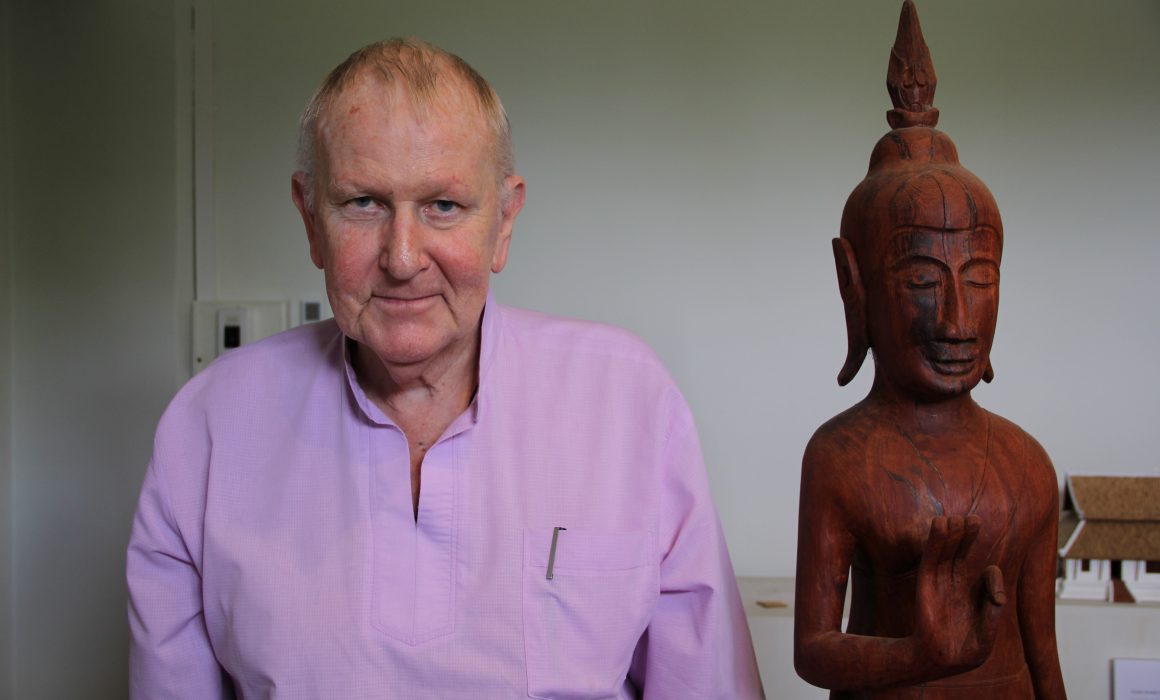
Each morning in Laos, Buddhist monks receive alms from laypeople, traditionally rice. It’s a simple religious ceremony called the Tak Bat, says Brian Lingham, of Luang Prabang’s Buddhist Heritage Project, see buddhist-heritage.org

By giving alms, you are giving something of yourself, he says. However, many Tak Bat ceremonies in the major tourist areas are being bombarded by poor behaviour – using flashes in front of monks’ faces, crowding their route, talking loudly throughout, with little respect for the solemnity of the occasion.

Brian offers a brief guide to attending the ceremony respectfully, from maintaining silence to only making an offering if it does, actually mean something to you (and not just as a photo op).

You can read my full article, which appeared in the Traveller section of the Sydney Morning Herald and Melbourne’s The Age. Click here, and enjoy!
How to do Abu Dhabi with kids

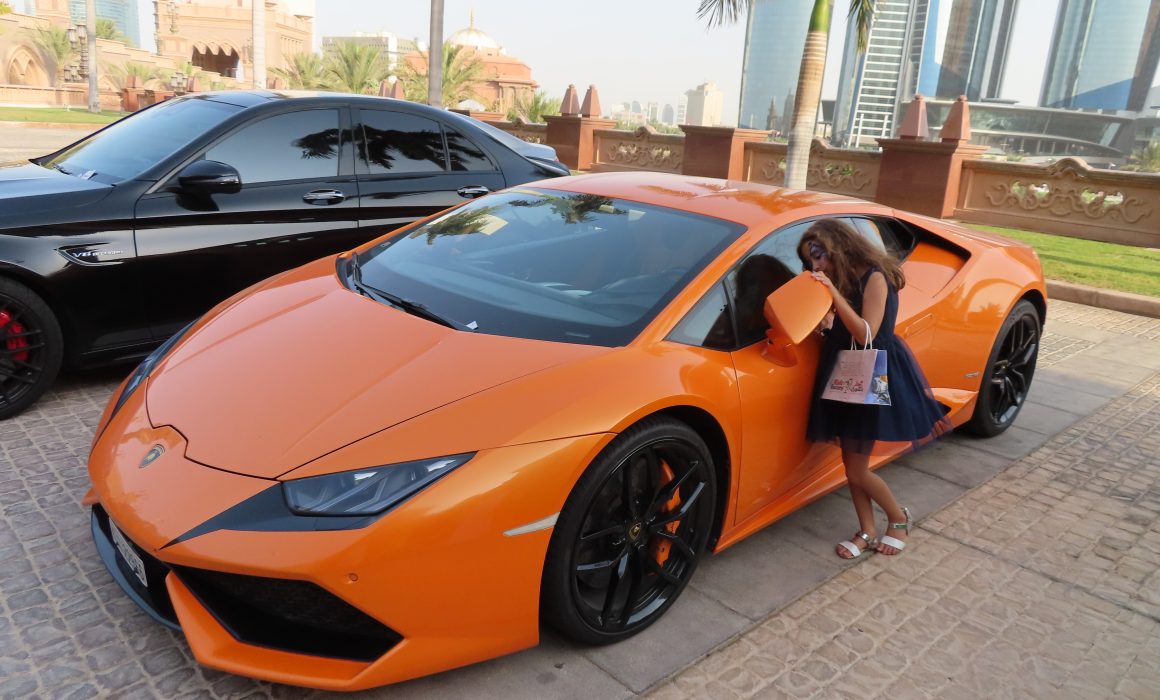
Play Batman, colour in, or get cool in the pool – Abu Dhabi ticks all the boxes for travelling with kids.

I did a test-run with the 7-year-old in the United Arab Emirate, which is a natural stopover for Australians en route to Europe (or pretty much anywhere else in the world). With eight hours, three days (or even more) up your sleeve, there’s plenty to do in this super family-friendly town, even in the height of summer.

The highlights for us included the new Warner Bros Movie World, hot laps around the F1 circuit (for the teen in our gang), riding camels in the desert, and plenty of pool time at the five-star Saadiyat Rotana hotel.

If you’re after some pointers (or even a few tips for if travelling without kids), take a look at this feature I wrote for the Sydney Morning Herald/The Age Traveller section, and enjoy!

http://www.traveller.com.au/abu-dhabi-childrens-edition-h1fii4

How to buy Western Desert art: an exercise in ethics

Recently, I interviewed artist and teacher Nyunmiti Burton. She is based in Tjala Arts in the Anangu Pitjantjatjara Yankunytjatjara (APY) Lands, in far northern South Australia. What was striking was that the interview was conducted in English and Pitjantjatjara, the most commonly spoken of Australia’s few surviving indigenous languages. Our translator, Skye O’Meara, is the general manager of Sydney’s APY Art Centre Collective.

In the conversation, Skye and Nyunmiti pointed out that we know more about where our coffee and eggs come from than our Aboriginal art. Ethically produced art means the artist being paid appropriately, being created in a safe environment and sold by a business that has full financial transparency.

To read more about buying Central and Western Desert art, you can read my column in the Sydney Morning Herald and The Age’s Traveller section. Click here, and thanks for reading.

For more links:

See desart.com.au  the peak body for more than 40 such art centres in Central Australia.

See tjalaarts.com.au Tjalaa Arts art centre in Amata, SA

See apyartcentrecollective.com APY Art centres

Cairo in a nutshell

I’ve been poking around the back alleys and the big-ticket drawcards of Cairo for a decade now (How did that happen? One minute I was setting up this blog on a tiny little Juliet balcony in a pensione in downtown Cairo, the next minute, it’s 10 years later!)

In that time, Cairo’s fortunes have flowed, ebbed, and are now flowing again, after revolutions, currency flotations, elections and a whole vortex of world events that have shaped the old traditions and new fashions in this maniacal city of 20 million (give or take a few million).

It still blows me away, every time I visit. There’s the City of the Dead, which may be home to as many as a million undocumented (living) souls, the rock-carved cathedrals of Mokattam, the wild nights of horseriding around the Pyramids beneath a full moon, and the Nile. There’s always the Nile.

It scratches only the surface, but here are 10 of my tips on visiting the City that Sleeps In Shifts, published in this weekend’s Traveller section in the Sydney Morning Herald and The Age newspapers.


The grand dame of Aswan: hotel review, Egypt

In Egypt’s deep south (aka ‘Upper Egypt, because it’s closer to the source of the south-north running Nile River), is the golden city of Aswan.

A world away from the smoke and insanity of Cairo, the city on the banks of the Nile is famous for its granite quarries that helped build the monuments of the ancient kingdoms, and its laid-back inhabitants, Nubians who seem more connected with the African continent than the Arabian north.

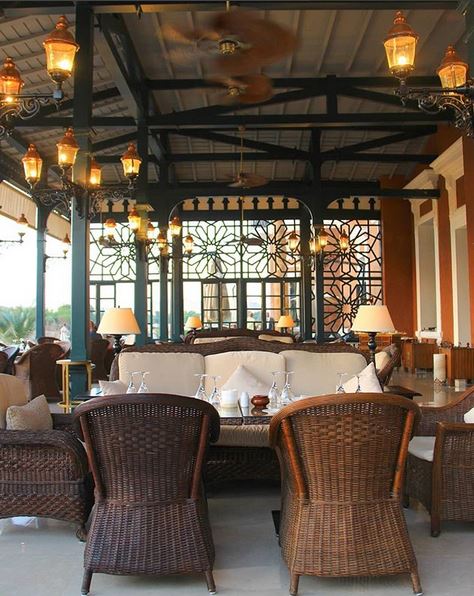
It’s also the home of one of the continent’s best grand hotels, and finally I got to visit the Sofitel Legend Old Cataract. 

The terrace, where Agatha Christie wrote Death on the Nile.
Photo: Belle Jackson

Agatha Christie wrote Death on the Nile on its terrace, and I wrote my hotel review for Fairfax Media’s Traveller section (the question is, of course: which will have greater longevity? :))

With an unsurpassed setting, smooth service and the undoubtedly fabulous
history, I rate it this of my top historic stays around the world. Armchair travellers should binge on Secret of the Nile (2016), which is the first Egyptian series on Netflix. The subtitled murder
mystery was filmed in the hotel, which is the undoubted star of the show.

You can read my story, published on Fairfax Media’s Traveller website, here 

Cairo: The palace walk

Lined with palaces, mosques, merchant’s mansions and markets, Cairo’s Al-Muizz is a contender for the Middle East’s most beautiful street.

It’s the ancient thoroughfare of medieval Cairo, the lifeblood of a dozen centuries: every time I return to Cairo, I find myself walking the length of Al-Muizz li-Din-Allah. Like most before me, I’m lured by the street’s imposing palaces and caravanserais, its dusty mosques and vivid markets.

I’ve walked this street countless times over a decade, and each time, I make a new discovery. A forgotten tomb. A synagogue. Cool, dark water cisterns that plunge deep underground or a merchants’ mansion, instructive in the ways of generations of traders, aristocrats, craftsmen and families who filled the streets of Islamic Cairo when it was established by the Shi’ite Fatamid regime in 969AD.

In case you haven’t twigged, Egypt is back on the tourism trail after seven years languishing in the doldrums after its revolution in 2011, which overthrew dictator Hosni Mubarak, who’d run the country as his personal fiefdom for 30 years. They’ve now got another army brass running the country – plus ça change, plus c’est la même.

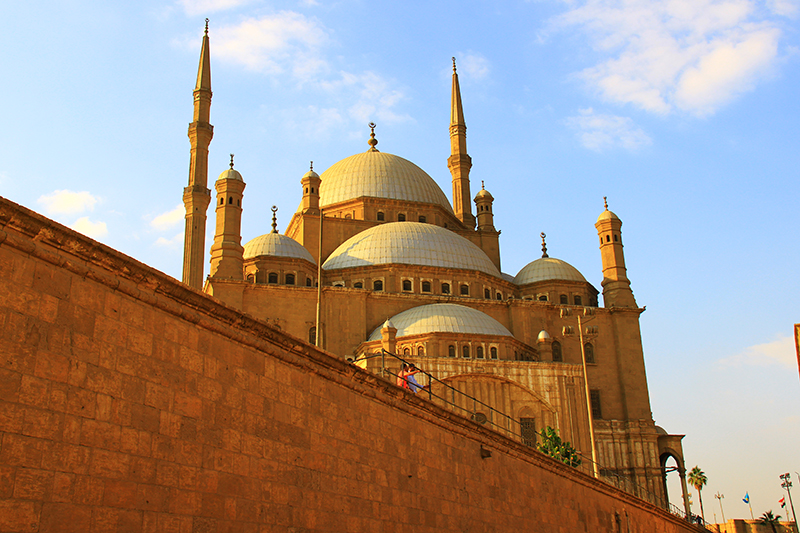
Cairo’s Citadel, which overlooks the city. Photo: Belle Jackson

But finally, with stability and growth taking place around the country (think, highways remade, new airports open, Nile cruise boats dusted off), it’s fabulous to see the return of one of Egypt’s major industries.

Cairo often gets but a cursory glance while everyone rushes to the Pyramids then down to Luxor, but spend the turn of the day in El Muizz for what I think is one of the world’s most beautiful streets.
Thanks to Vacations & Travel for again going ahead of the trend and publishing my feature on this beloved street.

https://www.vacationsmag.com/palace-walk-cairo/

Just the tonic: blending health and hedonism on the Dawn Princess

Thick and rich, the mud seems to pulsate with a life of its own, like an extra from Doctor Who. Scooping a hearty handful, it’s just begging to be slapped on your face.

Standing
in a green paddock in rural Fiji, clad only in swimmers and smothered
from ponytail to toenail in the green-grey goop that smells like cattle
dip, it’s not what I had in mind when I signed up for a seaward jaunt on
board Australia’s best-loved ship, the Dawn Princess. Don’t get me
wrong: it’s great fun, just greatly unexpected.

To read more about life on the good ship Dawn Princess, click here.

 This story was published in Sydney’s Sun-Herald newspaper’s Traveller section. 

Tang: Treasures from the Silk Road capital

If you wanted to brush up on your knowledge of China’s Golden Age,
the Tang Dynasty, you could do worse than regressing to a 1970s
childhood. Grab the beanbags and binge on the campy Japanese kids’ TV
show, Monkey.

Let’s leave aside that the lead character, Monkey, is a celestial
monkey warrior and king of primates who’d conjure up an army from a few
plucked chest hairs, ride a white cloud and could transform himself into
a hornet to irritate and defeat evil: the TV program is rooted in fact.

Monkey is based on the 16th-century Chinese epic Xi You Ji
(Journey to the West), which traces the 17-year pilgrimage of the monk
Xuanzang from China to India, in search of Buddhist scriptures. In Monkey,
which was dubbed hilariously into English, the monk is called
Tripitaka, an honorary title used during the Tang Dynasty for those who
had mastered the Buddhist scriptures.

To read more about the Tang: treasures from the Silk Road capital exhibition, on display at the Art Gallery of NSW until 10 July, click here.

Whales, worship and weird cabaret: the Tongan triumvirate

Humpback whales bring their (very big) babies into the
safe waters of Tonga each year, from July to October.
Photo: Belle Jackson

We’ve all been lamenting the devastation in Fiji from the recent Cyclone Winston, but spare a thought for Tonga, which was in the cyclone’s frontline, and is still picking up the pieces. 

The Vava’u archipelago, where I spent most of my time on my recent Tongan visit, was hardest hit.

So if you’re not a Fiji aficionado, preferring something a little more laid back and – to use the word of the decade- ‘authentic’, why not skip one country further east from Australia for whale swimming, a spot of choral singing and the funniest drag shows I’ve seen for many a year.

And if you are a Fiji fan, from this month (April 2016) you can now fly from Australia to Nadi (Fiji) for a little five-star R&R, then fly Nadi direct to Vava’u (Tonga) for said pleasures, with Fiji Airways.

You can read my story about whales, worship and weird cabaret in Sydney’s Sun-Herald newspaper’s Traveller section by clicking here.

Roberts’ portraits the ‘selfies’ of their day

With her huge blue eyes, plump rose-kissed cheeks and a tumble of
golden curls spilling over her fashionable fox-fur trimmed coat, Lily
Stirling is the perfect face of a beautiful new nation.

Born in Melbourne’s Lonsdale Street, Lily was about six years
old when her father, a physician friend of prominent Australian artist
Tom Roberts, commissioned her portrait in 1890. Roberts wrote cheeky
ditties of painting children, “… I’ve painted kids in every pose,
A’kissing their mammie or smelling a rose …”

Many of Roberts’ finest portraits are showcased at the blockbuster Tom Roberts exhibition at the National Gallery of Australia, on until March 28 in Canberra.

To read more about artist Tom Roberts’ portraits, click here.  

This feature by Belinda Jackson was published in the Sydney Morning Herald.

Global Salsa

Well, you’ve scrolled this far. What do you think? Drop me a line, I’d love to hear from you.

Privacy Settings
We use cookies to enhance your experience while using our website. If you are using our Services via a browser you can restrict, block or remove cookies through your web browser settings. We also use content and scripts from third parties that may use tracking technologies. You can selectively provide your consent below to allow such third party embeds. For complete information about the cookies we use, data we collect and how we process them, please check our Privacy Policy
Youtube
Consent to display content from - Youtube
Vimeo
Consent to display content from - Vimeo
Google Maps
Consent to display content from - Google