I’m a journalist, travel writer, editor and copywriter based in Melbourne, Australia. I write pacy travel features, edit edifying websites and fashion flamboyant copy. My articles and photographs have appeared in publications worldwide, from inflight to interior design: I’ve visited every continent, and have lived in three. Want to work together? Drop me a line… 

Follow


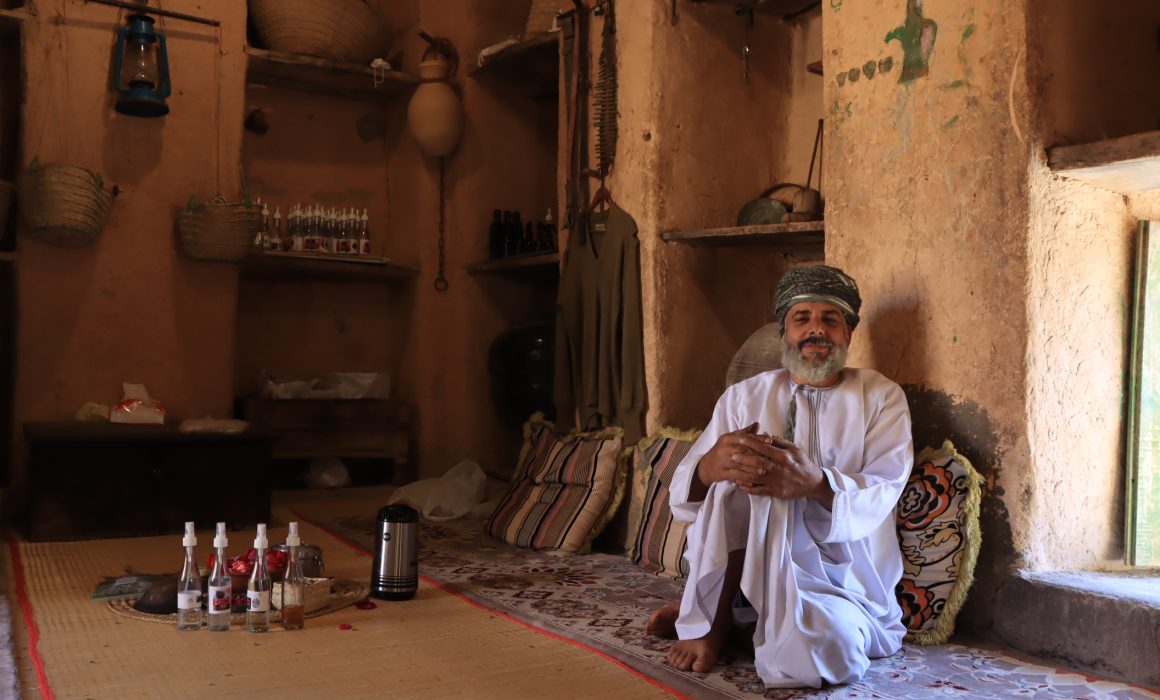
Shuwa & chai: the best food in Oman

It’s sunset, and I’m in a taxi, getting a masterclass in how to order tea in Oman.

“You don’t even get out of your car to order karak chai,” says Ali, my taxi driver, wiggling two fingers.

Ali’s lesson occurs on a break on our 150-kilometre journey from the mountains to the sea, from the old capital to the new, from Nizwa to Muscat.

A runner emerges from the shop, sees two fingers for two karak, and disappears back inside, to reappear with two tiny takeaway cups.

Redolent of cardamom, cinnamon, ginger and saffron, the tea is short and sweet – the perfect fuel for the taxi driver and the traveller. After Ali pays – because I am a guest first, and a customer second – we pull back onto the smooth, mountain-lined highway, hot tea carefully balanced in hand, for the descent to the turquoise sea.

One of my great trips of 2024 was a solo trip back to Oman, the Switzerland of the Middle East. Wealthy, calm, no high-rises, welcoming to all travellers. I’m afraid word is out about the reputation of this lovely little country on the eastern edge of the Arabia Peninsula – afraid because I kind of want it all to myself. Muscat has welcomed a brace of new hotels, and the glamping scene in the deserts are a feature on instagrammers’ feeds, but it hasn’t rolled over to change to suit travellers’ needs. That’s what I love about it. You go to Oman, you know you’re in Oman, not a generic version of a Middle Eastern country. It is genuinely warm and welcoming – saying this as a woman travelling alone in the country, and that doesn’t need to change.

I think that while there’s so much turmoil and tragedy in other parts of the region – the escalation of the Palestinian invasion, conflict in Lebanon and now in Iran – so many people are wary of visiting any country in the Middle East. But when there’s a problem in France, do we stop visiting Greece?

In Oman, I stayed at Anantara Jebel al Akhdar, at the Shangri-La Al-Husn (which is the adults-only hotel within this group, on the outskirts of Muscat and in Nizwa. The Anantara and Shangri-La stays were both hosted.

To read my full story written for the Sydney Morning Herald and The Age’s Traveller section, click here:
https://www.smh.com.au/traveller/inspiration/peaceful-middle-eastern-country-is-underrated-and-understated-like-its-food-20241111-p5kpi7.html
Luxury v rusticity: the two faces of Dubai

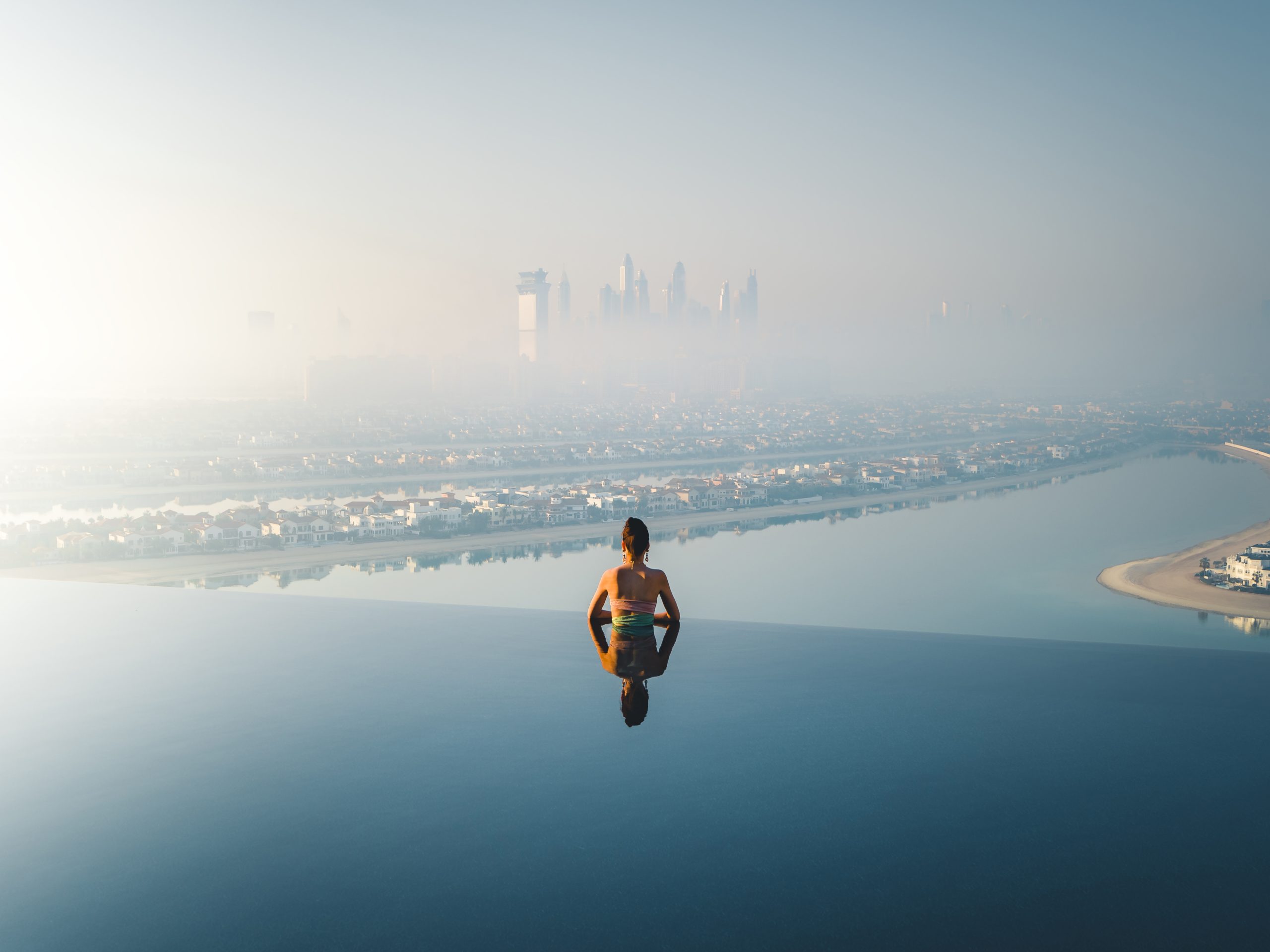
All that glitters is (most likely) 24-karat gold in the party town of Dubai, but flip the shiny coin and you’ll discover the traditions and history deep in its Emirati heart.

Some people say Dubai has no soul, that it has no history, but in this piece for Dream by Luxury Escapes magazine, I stay at two Dubai hotels at opposite ends of the spectrum, to show how broad its appeal is.

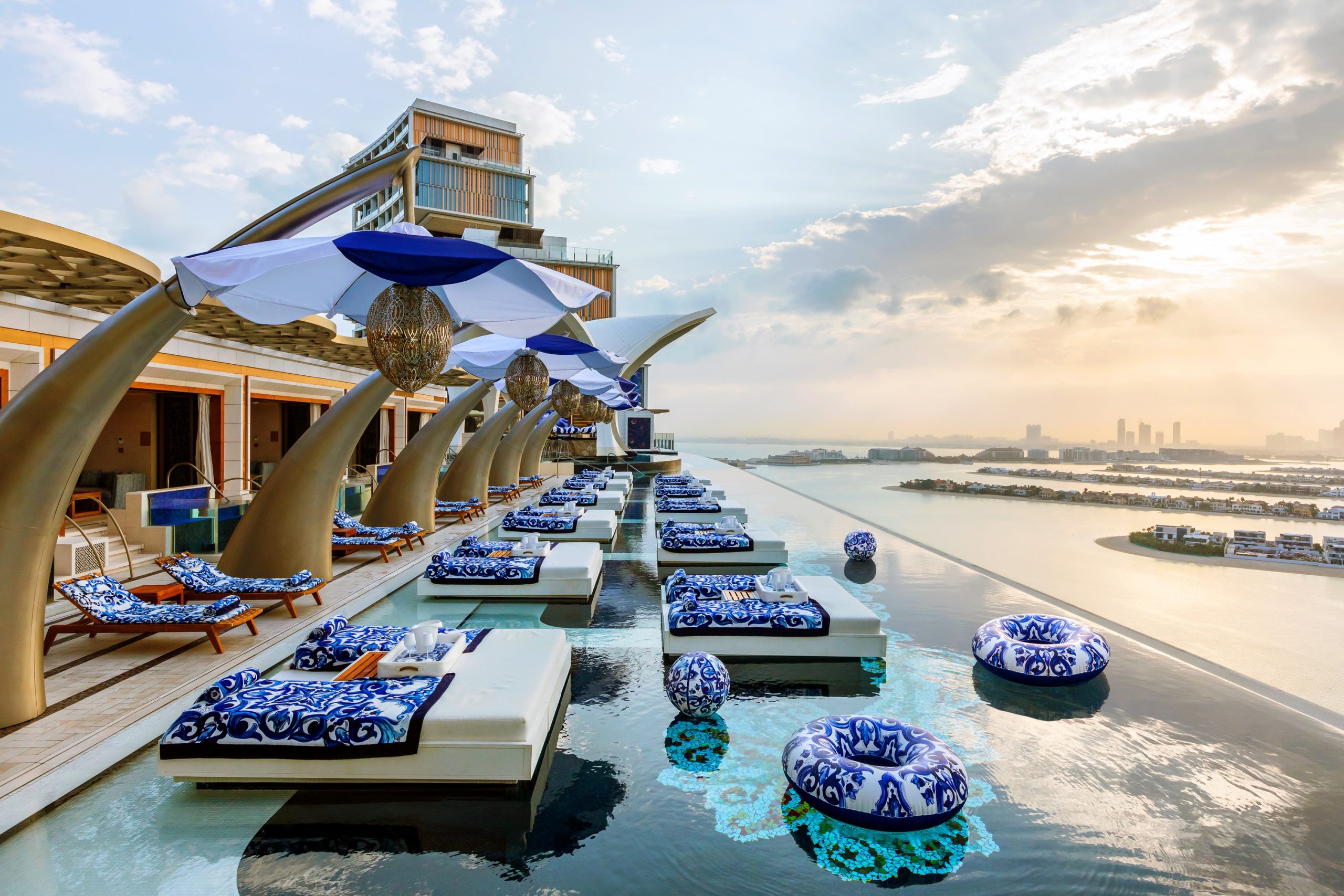
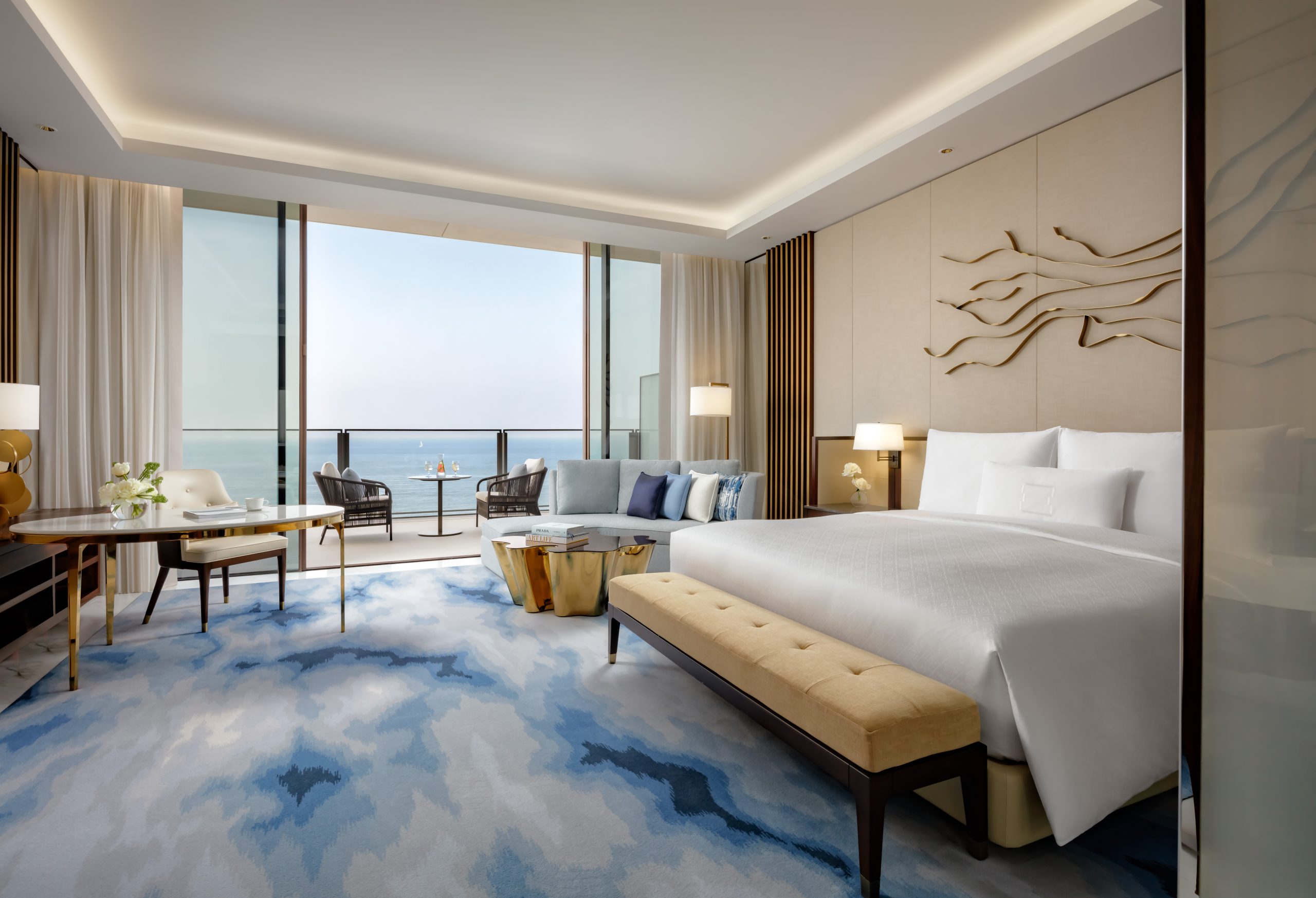
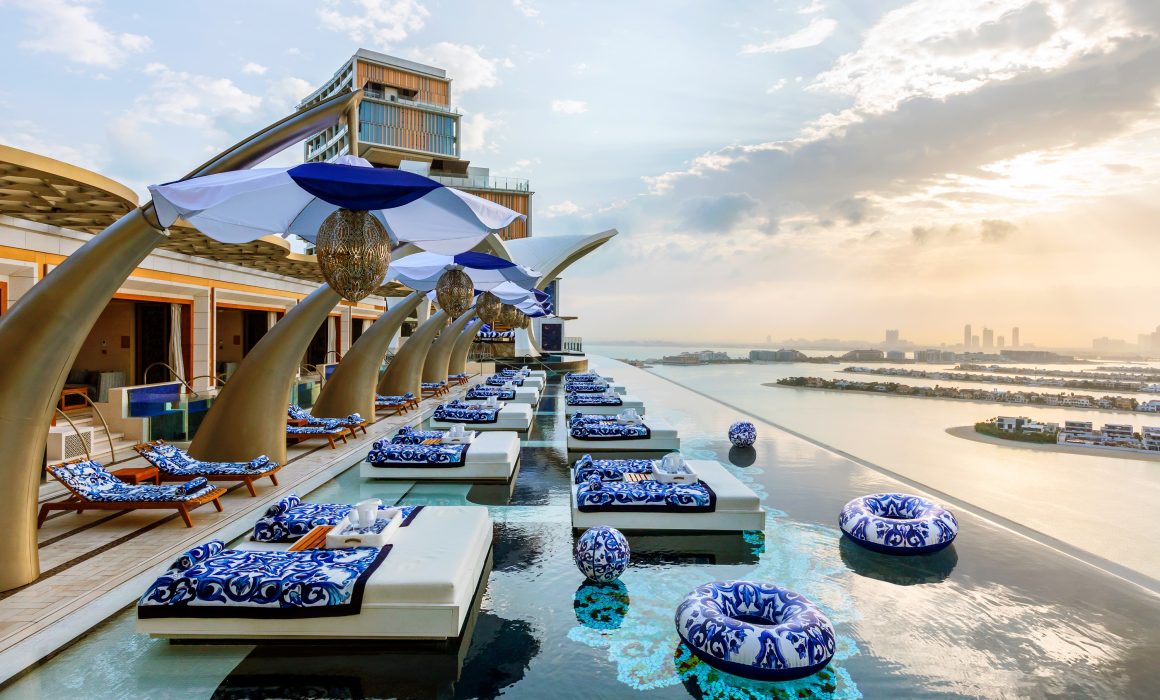
The first hotel is the crazily luxe Atlantis the Royal, the new sister to the postcard-perfect pink Atlantis the Palm. Dress up, folks! This is one fancy hotel. From the sky-high Cloud 22 beach club to the more laid-back Nobu Beach Club on the ground floor, that bleeds into the hotel’s beach, the innumerable restaurants headed by Michelin-starred chefs, the shopping arcade dominated by collaborations with the likes of Dolce&Gabanna and Louis Vuitton. You get the picture; this is serious bling. Costing US$1.6 billion to build the Jenga-like building, stays cost from about $800 in low (summer) season, skyrocketing in the peak winter season, when Dubai is warm and sunny.

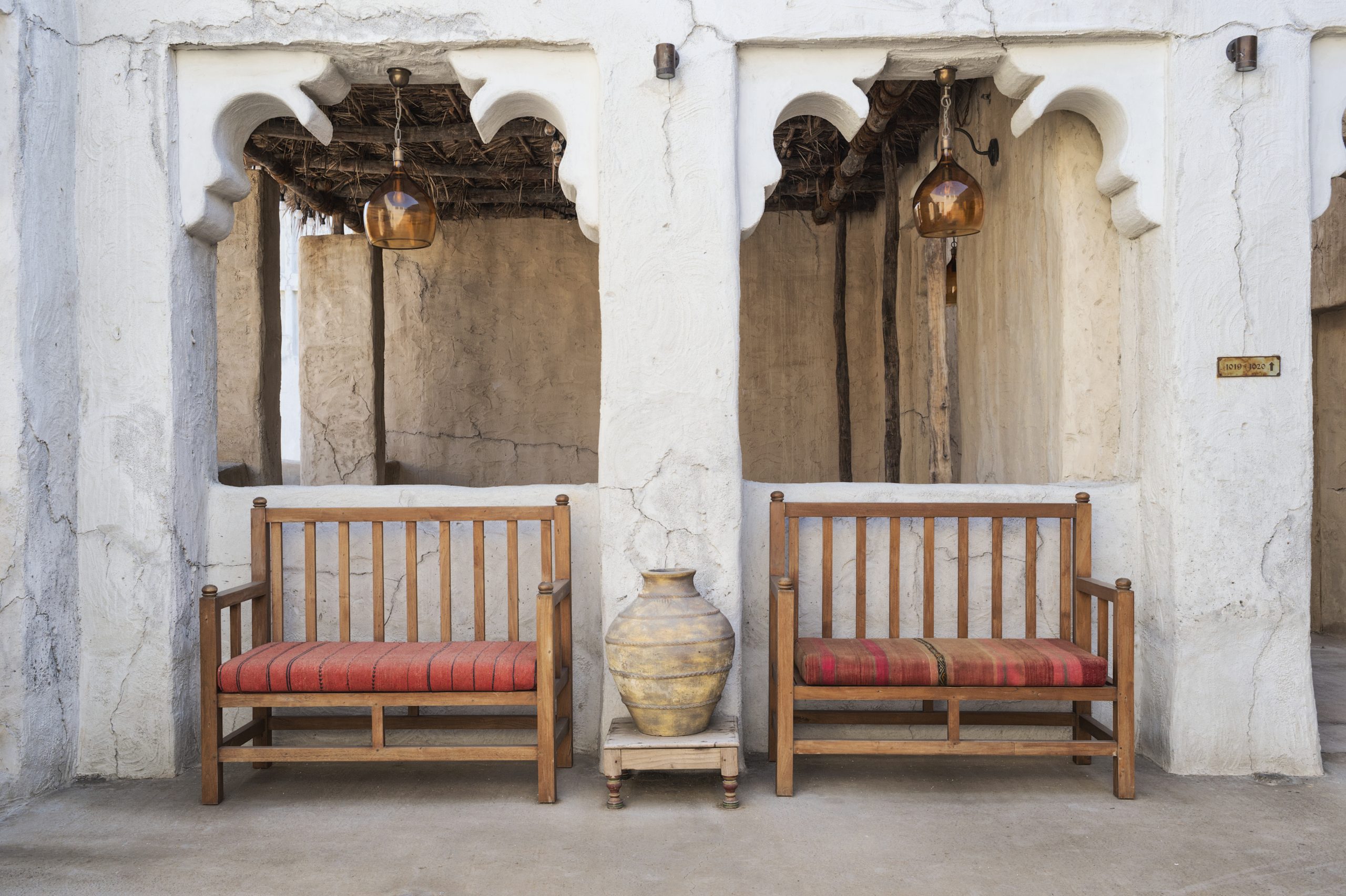
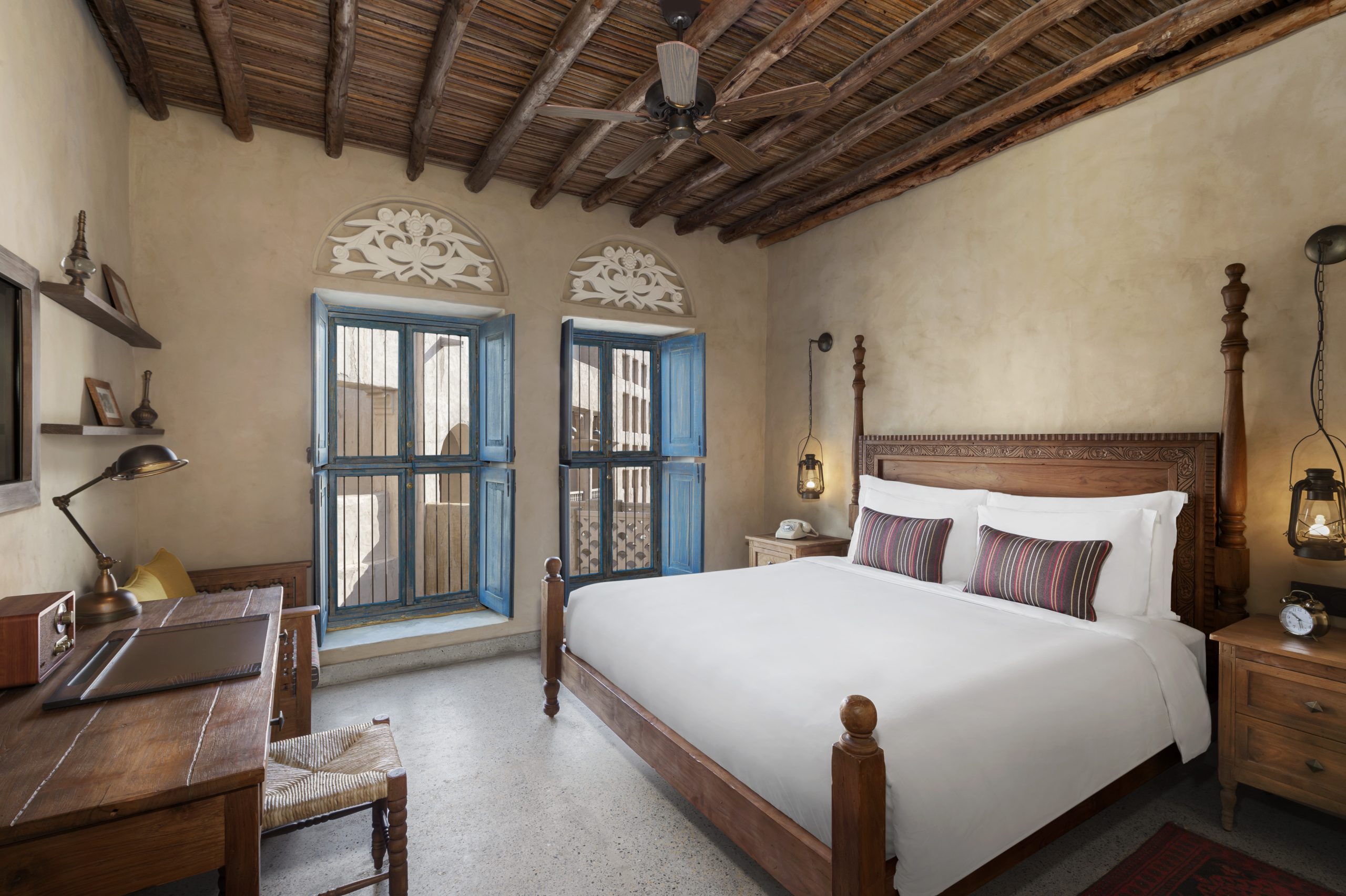
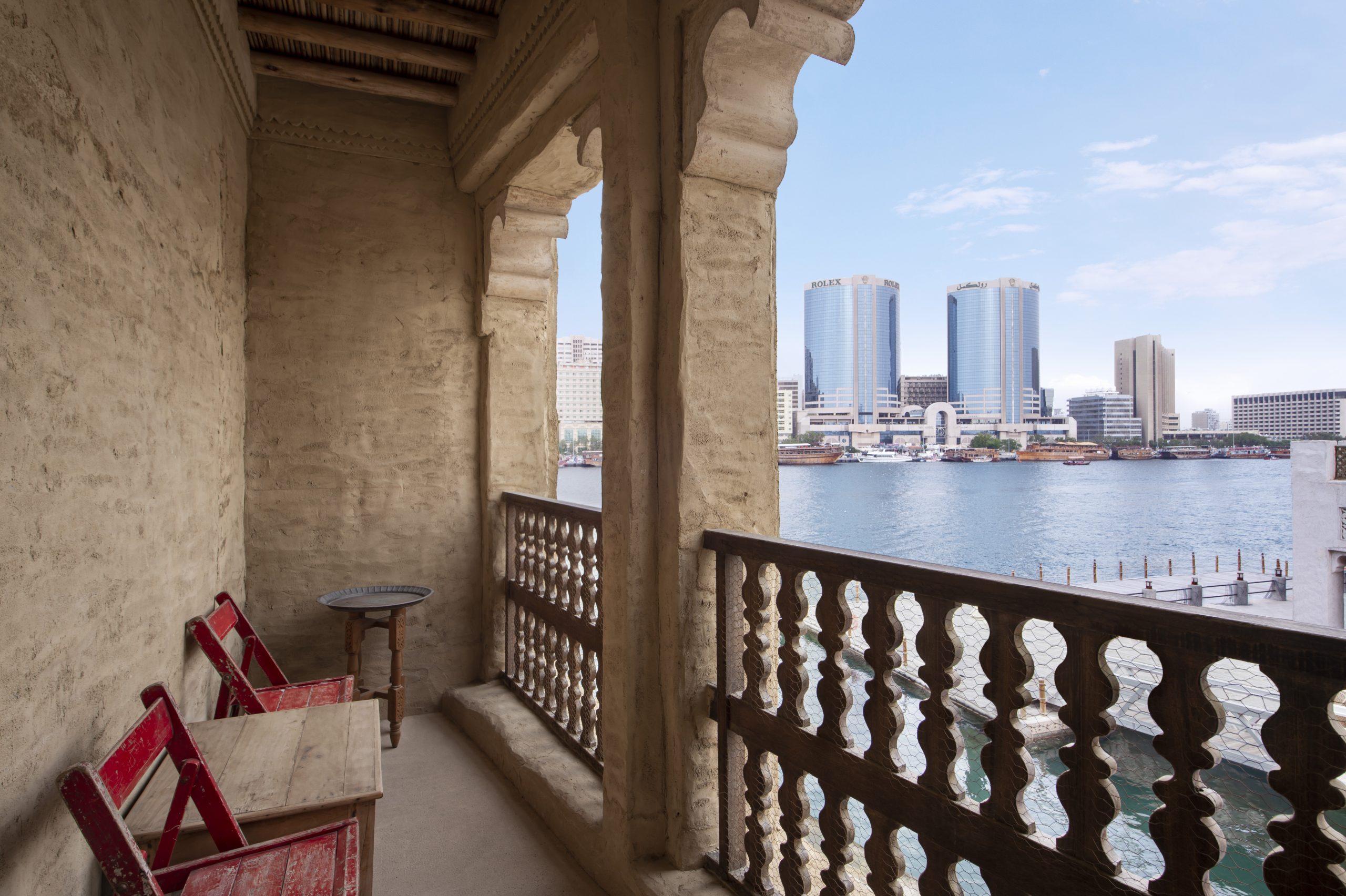
The second hotel is what I’m calling Dubai’s best bargain – the rustic Al Seef Heritage Hotel Dubai, Curio Collection by Hilton. I love its design, with raw beams on the ceilings, the red, black and white Bedouin weaves found throughout the Arabian Gulf, the mudbrick walls and the retro telephones (rotary phones!), lamps and furnishings in the rooms. The rooms are set in bayt (houses) scattered throughout the Al Seef district, a new build designed to emulate a traditional souq. Here, you’ll find plenty of fun souvenir shopping, but also restaurants serving genuine Emirati cuisine – not as easy to find as you’d expect – and plenty of cafes to enjoy a qahwa (coffee) scented with cardamom, as the locals have it. Low season sees stays at this Dubai hotel as little as $100, doubling in the peak cooler months.

To read my story, The Golden Child, in Dream by Luxury Escapes, and jump to page 108.

https://issuu.com/dreambyluxuryescapes/docs/issue6_october2024_master_dream-by-luxury-escapes_

Global Salsa

Well, you’ve scrolled this far. What do you think? Drop me a line, I’d love to hear from you.

Privacy Settings
We use cookies to enhance your experience while using our website. If you are using our Services via a browser you can restrict, block or remove cookies through your web browser settings. We also use content and scripts from third parties that may use tracking technologies. You can selectively provide your consent below to allow such third party embeds. For complete information about the cookies we use, data we collect and how we process them, please check our Privacy Policy
Youtube
Consent to display content from - Youtube
Vimeo
Consent to display content from - Vimeo
Google Maps
Consent to display content from - Google