I’m a journalist, travel writer, editor and copywriter based in Melbourne, Australia. I write pacy travel features, edit edifying websites and fashion flamboyant copy. My articles and photographs have appeared in publications worldwide, from inflight to interior design: I’ve visited every continent, and have lived in three. Want to work together? Drop me a line… 

Follow


Why Ramadan is a season to travel in the Middle East: Canberra Times

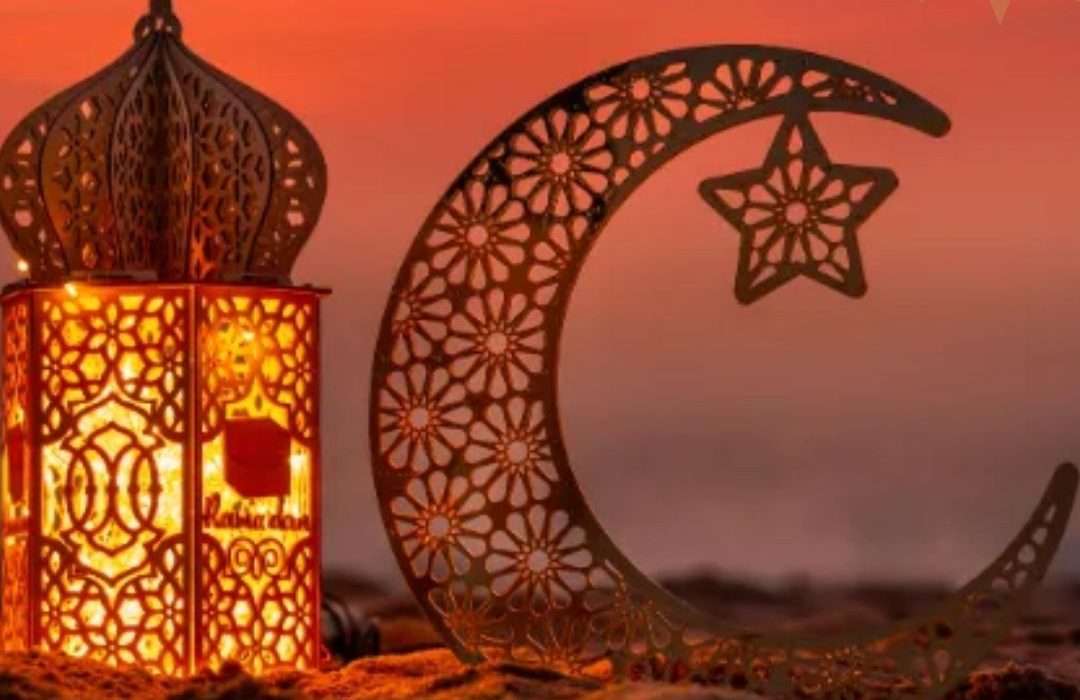
We’re just about at the end of Ramadan – the Islamic month of prayer, fasting and reflection – with Eid forecast for later this week, and my story about best countries to experience Ramadan as a traveller.

It’s a chance to wander back in my mind about nights spent by the Nile, tables laden with small dishes of deliciousness, the ornate lanterns, song and shisha until first light.

Read the story here.

In a piece of dire timing that I’ve come to expect writing about travel in the Middle East, it was published in the Canberra Times and the ACM network of rural newspapers across Australia on the same day the US and Israel started bombing Iran. So while most are trying to flee the Middle East, I tried to convey that (when it’s safe!) far from a season to avoid, for the traveller, Ramadan can breach the divide between tourist and guide, between Muslim and non-Muslim, between them and us.

And, surely, that is needed now, more than ever?

Have you spent Ramadan in a predominantly Muslim country? Any favourites? For those who know me well, my bias toward Egypt is clear (but, as I argue in the piece, well founded). And a friend of mine based in Doha, Qatar, says she finds it’s absolutely the season for networking! While iftar, the meal breaking the fast at sunset is a place to gather and eat, it’s also become a place to do business. Whether doing deals is in the spirit of Ramadan is to be argued, it’s undeniable iftar is a time of togetherness.

Walking, wine and wombats: Tasmania’s lake lodge you need to visit; Australia’s best cellar doors & save on Swiss rail passes

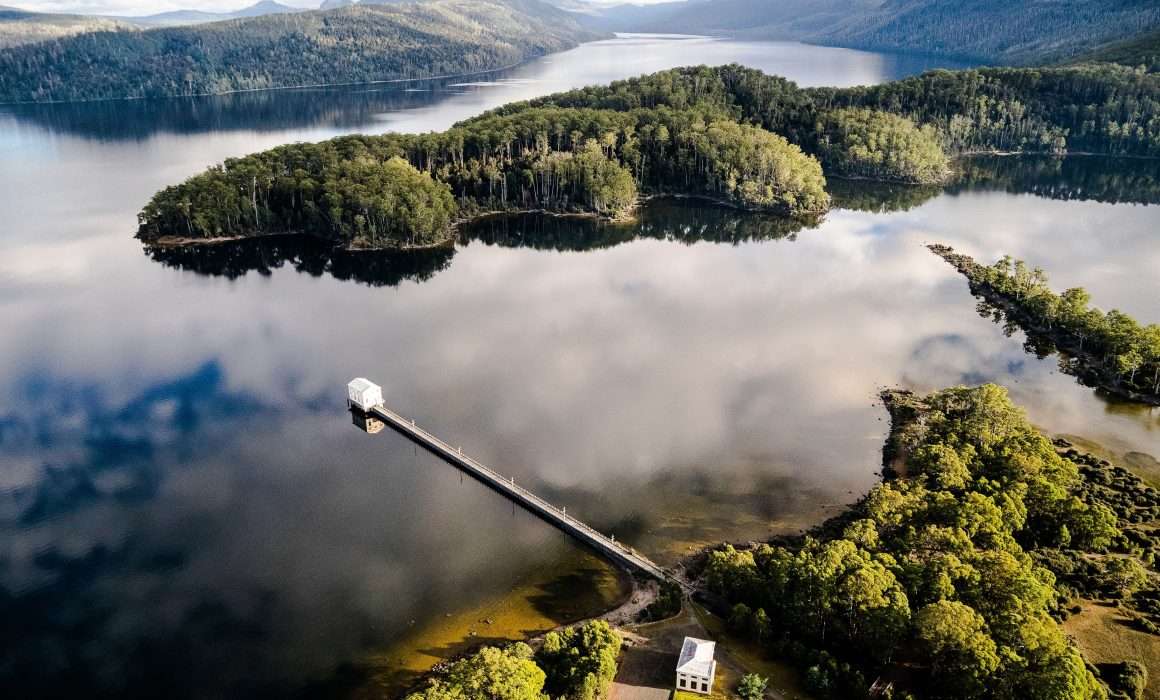
In Tasmania’s Central Highlands, in Australia’s deepest lake, that’s where we’re all going this week, for walking, wine and wombats at Pumphouse Point.

Stuck at the desk? You can still come along to Tasmania via our latest episode of The World Awaits travel podcast. Jump on the pod to hear this week’s chat, (which I recorded while sitting on the floor of the business centre at Niyama Private Islands in the Maldives, while my co-host Kirstie Bedford was packing for Athens. If you’re going to be in a business centre anywhere, I thoroughly recommend this one, because you can look at at a turquoise lagoon in the Dhaalu Atoll while you’re working)

Listen via  Apple Podcasts
Spotify
or via our website https://theworldawaits.au

Set in the glacial Lake St Clair, the lake lodge has recently opened its new Retreats, beautiful cocoons amidst the remote wilderness. The central highlands also a hub for walkers, wine and wombats; https://lnkd.in/gpia2S9N

Also, leading wine reviewer the Halliday Wine Companion reveals Australia’s top cellar door to put on your travel list https://lnkd.in/gVXNehpf and we’re sharing some great tips to save when travelling around Switzerland on its Swiss Rail Pass, https://lnkd.in/gAwp-_9p

And a spot of trivia; what do you think is the most expensive thing left in Brisbane Airport’s Lost & Found? Lloyds Auctions recently put all the items under the hammer, including one pretty surprising, pretty pricey item that would be hard to forget…

Shortlisted for Australian Travel Writer of the Year 2025

I’m very, very pleased to announce that I’ve been shortlisted again for Travel Writer of the Year in the Australian Society of Travel Writers 2025 awards!

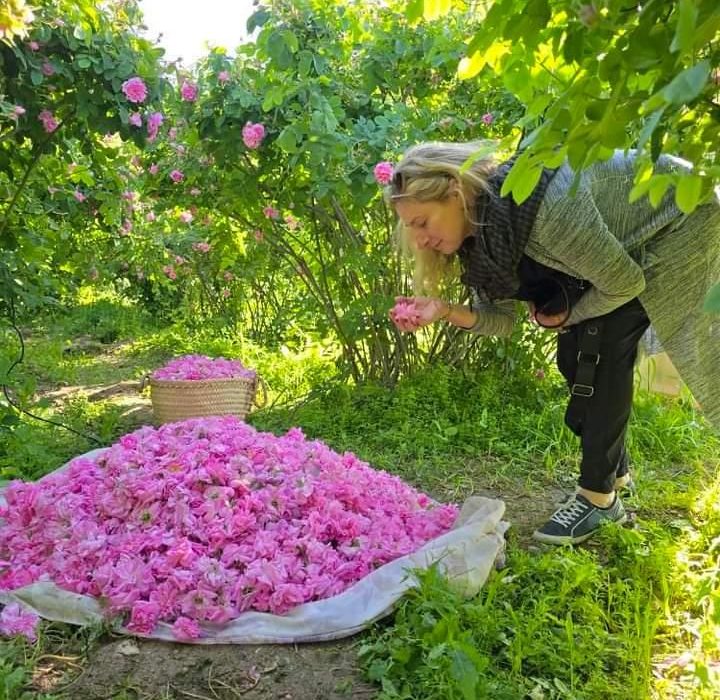
I titled my collection of three features The Underrated and the Understated, reporting on a train journey in southern Spain, AlUla in Saudi Arabia and Oman (that’s me, stopping to smell the roses, after being trapped in flooded Dubai on the way to that mountain of fragrance).

Thanks to ASTW and to the companies who continue to support travel journalism, including InnTravel, Saudi Tourism, Emirates, Shangri-La Muscat in Oman and Anantara Al Jabal Al Akhdar, and their PR representatives

And thanks also to the editors at the Traveller section of the Sydney Morning Herald and The Age newspapers and Luxury Escapes’ Dream magazine, who commission features from these adventures, which sometimes (Ok, often) slip away from the conventional path.

The competition is daunting – my friends Justin Meneguzzi and Kate Henessey complete the trio shortlisted for the TWOTY (best acronym, right?) Luckily, they are both great humans as well as extremely talented writers.

@hh_510 thank you so much, once again, for this photo from Al Jebel Al Akhdar It’s one of my favourite travel photos.

Mainland, not mainstream: hotel review Mandarin Oriental Costa Navarino: Sydney Morning Herald

The blue eye dangles from my key ring as I drive south from Athens. The mati, as the amulet is known in Greece, wards off envy and jealousy.

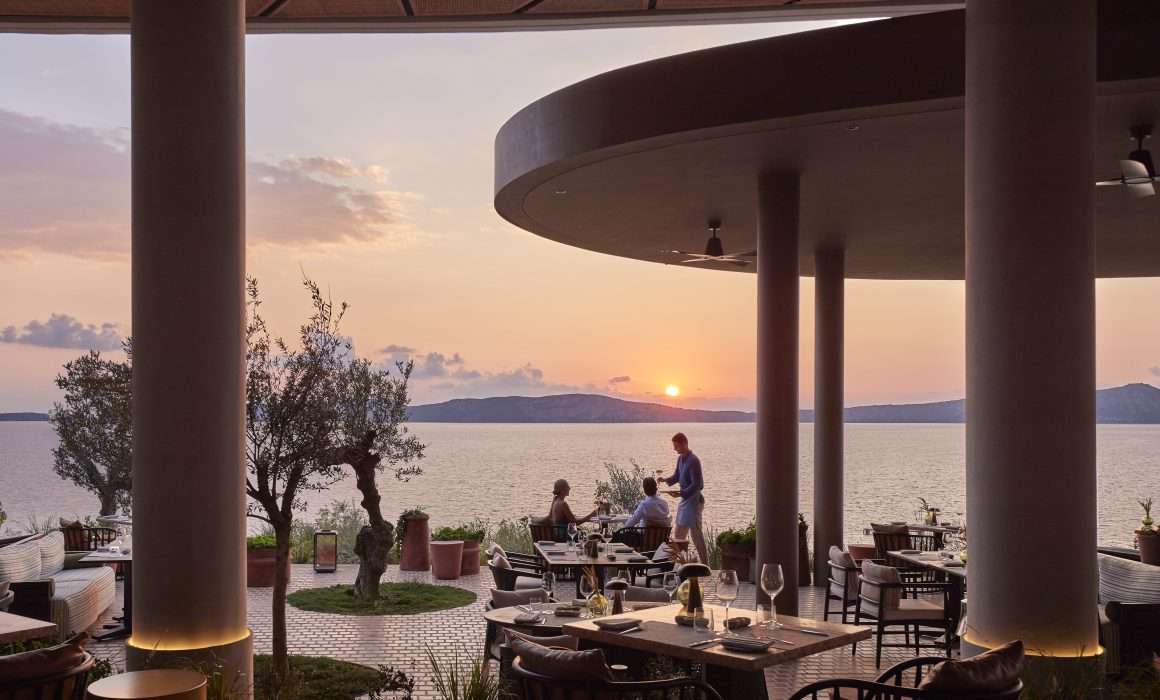
Almost four hours later, I’ve driven across the much overlooked, history-making Peloponnese peninsula and, pulling my little rental car in to the Mandarin Oriental Costa Navarino’s porte cochere, the view is initially underwhelming. But stepping out of the blinding sun, I realise we’re on a hilltop, and walking into the open-air lobby reveals a perch worthy of a goddess.

I recently had the chance to review the Mandarin Oriental’s first foray into Greece and guess what, it’s not on an island.

To read my story in the Sydney Morning Herald and The Age newspaper’s Traveller section, click here:

https://www.smh.com.au/traveller/inspiration/forget-the-greek-islands-paradise-exists-here-on-greece-s-mainland-20250321-p5lle7.html

Train travel through Greece & Bulgaria with Eurail

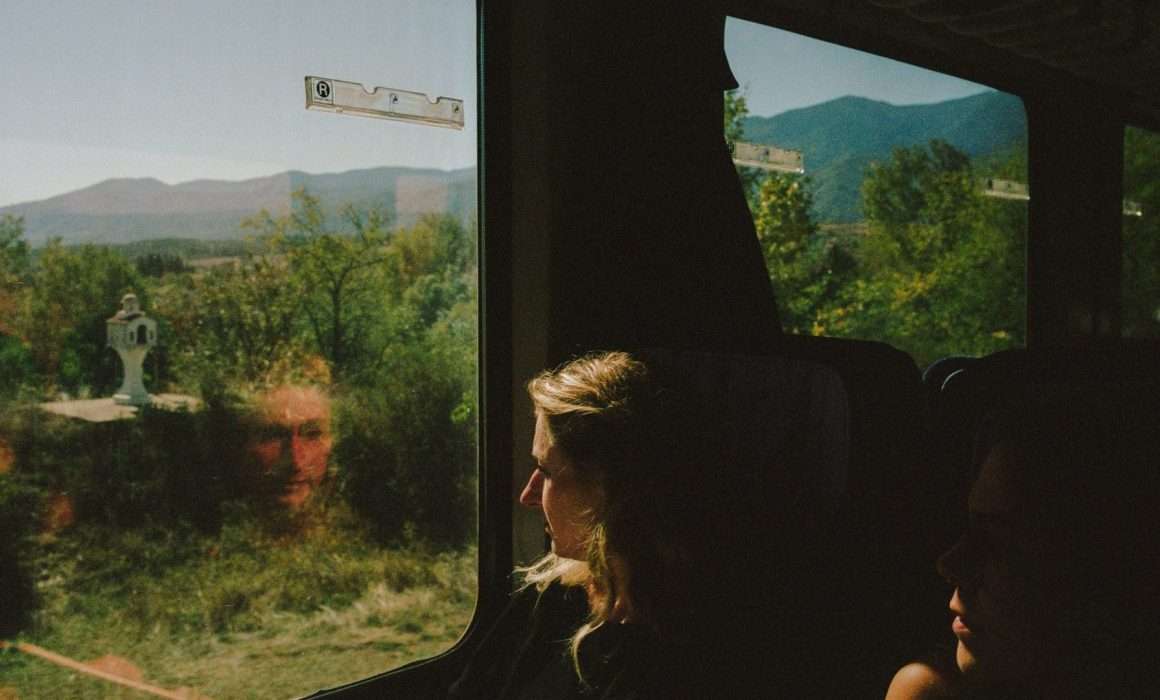
Dream assignment: train travel through Greece and Bulgaria with the sole purpose to eat, think and travel deeply and slowly.

This journey started in Athens and ended in Ploviv, Bulgaria, with European rail pass company Eurail. With chef Ella Mittas and photographer Sarah Pannell, no mouthful went uninspected or undocumented. Also with us on the trip was videographer Paulo Magalhães , who has just released the trailer for his upcoming documentary about the furthest corner of eastern Europe. We visited restaurants, farms, vineyards, villages and the primary and secondary towns of the neighbouring countries.

The short for Paulo’s upcoming documentary is now out, and I love it! To keep the story going, Ella cooked a menu inspired by the journey for a group of media here in Melbourne at Julie restaurant in Abbotsford Convent  last week, using trahana, a fermented grain and yogurt and a fabulous moussaka, which as its own, fascinating backstory.

You can also get a taste of our travels from my recent story for adventure.com https://adventure.com/off-the-eaten-path-slow-food-bulgaria/

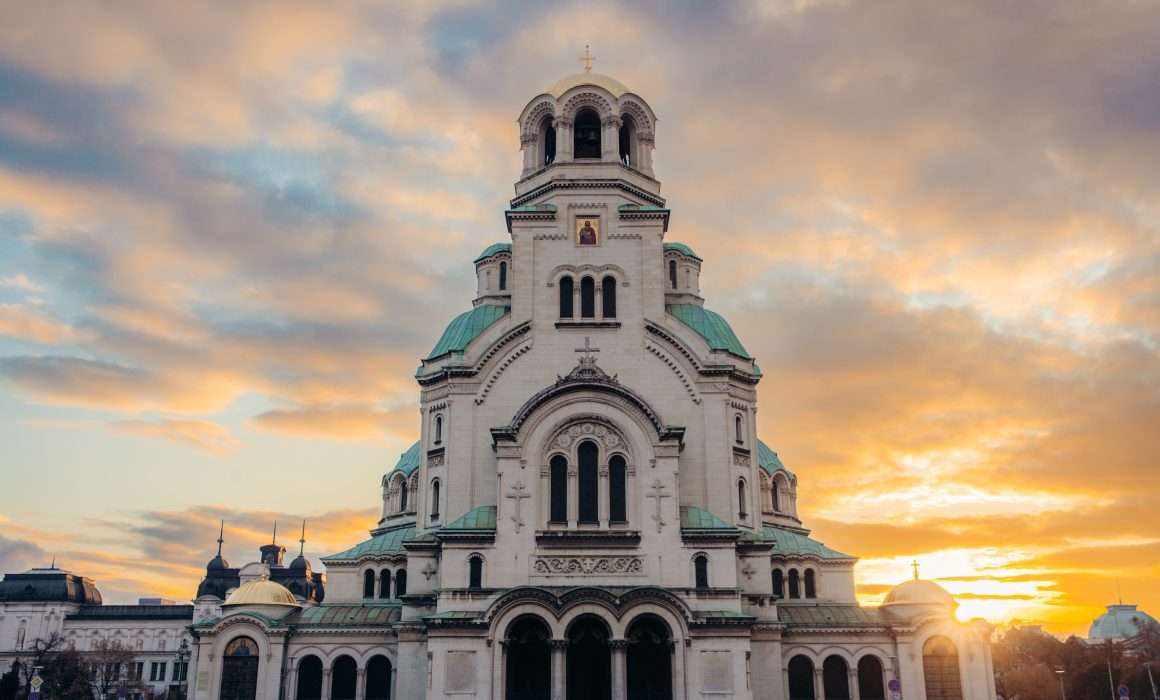
The best things to do in Sofia, Bulgaria

For streets paved with gold, what to eat and 7000 years of history, I give you my list of the best things to do in Sofia, Bulgaria.

Crossing the border from Greece, I exchange my euros for a fistful of Bulgarian lev, which I’ll spend gleefully on banitsa, a flaky breakfast pastry that in its simplest form is filo stuffed with eggs, feta and yoghurt. You might have tried bougatsa, the custard-filled Greek pastry born in Thessaloniki – it’s just one of many demonstrations that these two countries share an ancient past, evolving to add their own twist. Isn’t it funny that when we think of Greece, we think of western Europe and all its familiarity, but just cross the border and eastern Europe is a whole different approach for travellers. Is it safe? Is it poor? Is it interesting?

Take a look at my latest feature for the Traveller section of the Sydney Morning Herald and The Age newspapers to see if I’ve answered all these questions. I can recommend a great little art hotel in the embassy district to make your base, thoroughly recommend Bulgaria’s potent distilled fruit spirit, rakia, centuries-old churches and mosques, hundred-year-old markets and maybe you’ll also fall in love with the jaunty yellow trams that cross Sofia. The last time I visited Bulgaria, it was still shadowed by its Soviet past, so it’s fascinating to see how it tells its Communist story, from 1944 to 1989, to a new generation of travellers – see redflatsofia.com

And for disclosure, I travelled to Bulgaria by train from Greece as a guest of Eurail. From Athens, I travelled north to Greece’s second city, Thessaloniki, and then across the border to Sofia and onward to Plovdiv, using the European rail pass, Eurail.  See eurail.com

https://www.smh.com.au/traveller/inspiration/nine-must-do-highlights-of-sofia-bulgaria-20250214-p5lc49.html

And for a deep dive into Bulgaria’s food scene, you can read my piece written for Adventure.com , see https://adventure.com/off-the-eaten-path-slow-food-bulgaria/

And if you’re heading to Thessaloniki, I’ve written a ‘best of’ for that awesome city, as well – see https://globalsalsa.com/best-things-to-do-in-thessaloniki-greece/

How to eat in Tokyo: The World Awaits interview

There are 26,000 ramen bars in Tokyo – how do you choose the best one? On The World Awaits travel podcast, which I co-host each week, chef Luke Burgess talks about how to eat in Tokyo, and about finding your culinary path in the megalopolis.

Listen via Apple Podcasts, Spotify, or via our website https://theworldawaits.au or find us on our new facebook page

“It’s an endless pursuit,” says the co-author of ‘Only in Tokyo: Two Chefs, 24 Hours, the Ultimate Food City  on the podcast. “If you didn’t have to sleep, it’d probably take three lifetimes to get though all the 180,000 places to eat in Tokyo. It’s the city that kills FOMO, because you’re never missing out.”

Luke, who is about to open his new, Japan-inspired restaurant in Hobart, Tasmania, shares his favourite, and most confronting dishes, and talks about the endless pursuit of understanding Japanese food and its refinement.  “And don’t plan everything, because you need to leave those moments of ,“Oh wow, look at this little bar!” And then, you can end up having the greatest night of your life,” he says.

Also, Lonely Planet’s much anticipated global best beaches of 2025 list has dropped and Australia has made the top two; and travel is still top of our wishlist, according to a new survey from money.com.au

This episode is sponsored by Explore Worldwide, which offers small group adventures with local tour leaders. Click here for adventure travel inspiration from our friends at Explore Worldwide. Don’t Just Travel, Explore. See Explore Worldwide

Visit us at https://theworldawaits.au

Italy’s Amalfi Coast, 2025’s top travel trends & inflight skincare

Dream of days wandering Italy’s Amalfi Coast? Me to! In our first episode of The World Awaits podcast for 2025, we’re taking you there with Australian-Italian author Maria Pasquale.

Maria’s new book, Mangia: How to eat your way through Italy, explores the food histories and dishes across regional Italy, including Campania, which includes the Amalfi Coast, and is famed for its fragrant lemons and San Marzano tomatoes.

So let’s go explore some of the villages and beaches, Maria’s favourite eating experiences, and the best times to visit. maria-pasquale.com  

We also chat about the top travel trends for 2025 from coolcations (think; cold-weather holidays)  to radical sabbaticals exploreworldwide.com.au/travel-trends-2025, and we share some great tips from Etihad’s cabin crew about inflight skincare.

This episode is sponsored by Explore Worldwide, which offers small group adventures with local tour leaders. We dare you not to be tempted by these incredible tours.

Click here for Adventure Travel inspiration from our friends at Explore Worldwide. Don’t Just Travel, Explore.

You can follow my podcast, The World Awaits, on Apple Podcasts, Spotify and anywhere you find good ear candy. I always love to know where you’re travelling next – drop me a line at hello [at] theworldawaits.au

Shuwa & chai: the best food in Oman

It’s sunset, and I’m in a taxi, getting a masterclass in how to order tea in Oman.

“You don’t even get out of your car to order karak chai,” says Ali, my taxi driver, wiggling two fingers.

Ali’s lesson occurs on a break on our 150-kilometre journey from the mountains to the sea, from the old capital to the new, from Nizwa to Muscat.

A runner emerges from the shop, sees two fingers for two karak, and disappears back inside, to reappear with two tiny takeaway cups.

Redolent of cardamom, cinnamon, ginger and saffron, the tea is short and sweet – the perfect fuel for the taxi driver and the traveller. After Ali pays – because I am a guest first, and a customer second – we pull back onto the smooth, mountain-lined highway, hot tea carefully balanced in hand, for the descent to the turquoise sea.

One of my great trips of 2024 was a solo trip back to Oman, the Switzerland of the Middle East. Wealthy, calm, no high-rises, welcoming to all travellers. I’m afraid word is out about the reputation of this lovely little country on the eastern edge of the Arabia Peninsula – afraid because I kind of want it all to myself. Muscat has welcomed a brace of new hotels, and the glamping scene in the deserts are a feature on instagrammers’ feeds, but it hasn’t rolled over to change to suit travellers’ needs. That’s what I love about it. You go to Oman, you know you’re in Oman, not a generic version of a Middle Eastern country. It is genuinely warm and welcoming – saying this as a woman travelling alone in the country, and that doesn’t need to change.

I think that while there’s so much turmoil and tragedy in other parts of the region – the escalation of the Palestinian invasion, conflict in Lebanon and now in Iran – so many people are wary of visiting any country in the Middle East. But when there’s a problem in France, do we stop visiting Greece?

In Oman, I stayed at Anantara Jebel al Akhdar, at the Shangri-La Al-Husn (which is the adults-only hotel within this group, on the outskirts of Muscat and in Nizwa. The Anantara and Shangri-La stays were both hosted.

To read my full story written for the Sydney Morning Herald and The Age’s Traveller section, click here:
https://www.smh.com.au/traveller/inspiration/peaceful-middle-eastern-country-is-underrated-and-understated-like-its-food-20241111-p5kpi7.html

My slices of heaven: travel in Turkey & Egypt

Nisanyan was a stone house in rural Turkey, forgotten or ignored for generations and demoted to a lowly stable before its reincarnation into a small, family hotel.

Now, the hotel is its own village outside Selçuk; a series of hand made, whitewash-and-stone cottages, inns and villas along the tree-lined laneway, which I visited on a women’s-only expedition with @intrepidtravel

I wrote about the hotel recently for a cover story in the Sydney Morning Herald and The Age newspapers, where we were asked to describe our own idea of heaven.

The nights here are cool and silent, save the toll of a goat’s bell and the final call to prayer from a mosque down in the valley. In my cottage, deep red rugs are thrown over stone floors, handstitched coverlets and cushions adorn well-worn armchairs and my daybed, where I languish, the’ bells and the muezzin’s voice carried to me on the jasmine-scented night air.

Why heaven? Turkish breakfasts are the best on earth – here, the tables are laden with locally pressed olive oil, deep red tomatoes, fresh eggs, honey, handmade cheeses.
—-

I also have an affinity with oases – their sense of remoteness and salvation for the traveller.

It may be remote – on the edge of the Great Sand Sea and just 50km from the Egypt-Libya border – but Siwa’s log book of visitors cannot fail to impress; top of the list is Alexander the Great, who came to consult the Oracle of Amun in 332AD as part of his campaign to rule this rich land.

A mudbrick Bedouin town, it sits on the edge of the Great Sand Sea. It is filled with palm gardens, and surrounded by perfectly clear salt lakes, while freshwater springs bubble up from the hot sands. The local Bedouin culture is very different from the rest of Egypt, with the warmth and hospitality that befits an oasis town.

It is my slice of heaven on earth.

On the flip side, my idea of HELL ON EARTH is The Wall in Bethlehem, Palestine. Hot, dusty, fume-filled streets are dominated by the paint-spattered topped by watchtowers, which epitomises everything that is broken in the current conflict.

Also, anywhere you witness injustice to people, animals or the environment. The street dogs of Cairo break my heart. As does the dumping of chemical waste on the Israel-Palestinian border.  And the plein-air butchers’ markets of Kashmir, where the fly-to-customer ratio is inordinately high.

Global Salsa

Well, you’ve scrolled this far. What do you think? Drop me a line, I’d love to hear from you.

Privacy Settings
We use cookies to enhance your experience while using our website. If you are using our Services via a browser you can restrict, block or remove cookies through your web browser settings. We also use content and scripts from third parties that may use tracking technologies. You can selectively provide your consent below to allow such third party embeds. For complete information about the cookies we use, data we collect and how we process them, please check our Privacy Policy
Youtube
Consent to display content from - Youtube
Vimeo
Consent to display content from - Vimeo
Google Maps
Consent to display content from - Google