I’m a journalist, travel writer, editor and copywriter based in Melbourne, Australia. I write pacy travel features, edit edifying websites and fashion flamboyant copy. My articles and photographs have appeared in publications worldwide, from inflight to interior design: I’ve visited every continent, and have lived in three. Want to work together? Drop me a line… 

Follow


Street art in Melbourne, Australia: The new hotspot outside the CBD

Street art by artist Smug. Photo: Belinda Jackson

Move over, Melbourne central, Fitzroy and Collingwood are the city’s street new art heartlands.

Chances are you’ve seen a tour group standing outside Movida
restaurant on Hosier Lane, camera phones working overtime, two fingers
up in the “victory” salute.

Melbourne has claimed its position as
one of the world’s premier street-art cities, rivalling Berlin, Sao
Paulo, Paris and New York, but the city’s top street artists say it’s
time street-art watchers moved out of the city centre and looked
north-east for the hottest talent on Melbourne’s walls…

Click here to read my article on Melbourne’s new streetart heartland on Fairfax Media’s Traveller website.  

See also: How to do the best of Melbourne in three days
See also: Six of the best Melbourne laneways

Connect the dots: art in the Tiwi Islands, Northern Territory, Australia

Bathurst Island Lodge.
Photo: Belinda Jackson

Crocodiles and canvas make for a potent mix in the Tiwi Islands.

The speed boat tears down the broad brown river, and I feel 1000 non-human eyes watching us from the
primordial mangrove-lined banks.

“Can you smell the flying fox?” asks Kathy. It’s the first time I’ve been asked the question, and it distracts me from the earlier statement that a sneaky, opportunistic little croc lurks around the boat ramp where we boarded.

Thick and shining, the river cuts deep into Bathurst Island. Together with its much larger neighbour, Melville Island, and nine little uninhabited islands to the south, they make up the Tiwi Islands 15-minute flight or 2 1/2-hour cruise north of Darwin. Once, they were part of the landbridge that linked us to the
super-continent, Gondwanaland. Now, they’re broken and fragmented: a giant’s lonely, lovely footprint in the Timor Sea.

Melville Island airport.
Photo: Belinda Jackson

The Tiwis are but a blip on the tourism radar. Until now, barramundi hunters and football selectors have been pretty hushhush about their fertile hunting grounds, but a new culture tour has lured our party of five onto the islands. We fly over from Darwin in a Cessna 402C: the plane is so small that we all get a window seat, and you can count the number of seats on two hands, pilot included.

From above, the land is low, flat and surprisingly large; Melville is our largest island after Tasmania. The airport, however, is not large. But the first thing I see is a sign that the Essendon Football Club proudly supports the Tiwi Bombers. It’s unsurprising, given Kathy’s brother, Michael Long, is a Bombers’ legend, while her son, Cyril Rioli, is a Hawthorn midfielder.

The second most striking feature of the airport is the small concrete block that is the main building. Actually, it’s the only building. It is painted in wildly beautiful yellow, black and red Indigenous designs that sets the tone for the next few days: the Tiwi art scene is strong and all pervasive. The whole building is about the size of a small public loo. No ticket collectors, no customs officials, no taxi stand. Just the humidity and silence, broken only by the arrival of our minibus and the
departure of our plane. Welcome!

Art is everywhere, on the public building walls and in the burial grounds, where carved ironwood totems hold the spirits of those who have died.

Traditional art is even worn in the supermarket, where the older Tiwi women sport rainbow-bright prints designed and woven by the town’s “spiderwomen”, a dwindling number of weavers and printers who now find themselves head-tohead with cheap Chinese imports.

Woodcarver and artist Mario Munkara,
Tiwi Designs.
Photo: Belinda Jackson

A quick drive through the town of
Wurrumiyanga (called Nguiu until 2010) reveals an orderly society. There’s Meals on Wheels, a small hospital, Asian takeaway, school and the social club, where all the island gossip is exchanged and the only public place you can buy a drink. There’s a pool for croc-free swimming, opened by Olympic swimmer Leisel Jones and her mum, a church and Ngaruwanajirri, the Keeping House, a “bush cathedral” with a curved ceiling covered in a glorious riot of the Tiwis’ distinctive, geometric mulypinyini pwanga (lines and dots).

This art hub is where disabled artists meet to sculpt, paint, print and sell their wares: carvings, batik silk scarves, lino block prints and paintings using natural ochres. This morning, a group of men sit outside, carving elegant, long-necked birds from dense ironwood which they’ll then paint and sell to keep theplace going, essential now its limited funding has been cut.

“We started this program 20 years ago, but we’ve been unfunded the last three years, so I’m now a volunteer,” says John Naden, a former art teacher who runs The Keeping House with his wife Joy, also a dedicated teacher. There’s a
small display room and the art is priced cheaply to keep it turning over and to keep the artists busy. After all, who wants to be a starving artist, recognised only in death? The prized artworks are sent out to be celebrated across Australia and abroad.

Nearby, the town’s art stalwart, Tiwi Designs, is now in its fourth decade. When we enter, we’re ushered past racks of painted canvases and stacks of sculptured birds, past the silk printing tables and woven baskets, and out the back to a small
fire, which is smoking with green eucalyptus leaves.

“Obviously, you ladies are from the mainland. We don’t know what spirits you bring,” explains Vivian Warlapinni Kerinauia delicately, waving thick smoke over us with a leafy branch. A group of men and women dance around the smoking fire, telling of their totems or dreaming group of crocodile, shark, warship, turtle or buffalo. The men jump and twist, the women are more subtle, elderly hands graceful and evocative.

“Now you have a good spirit,” says Vivian. “It will guide you, give you an open mind.”

Artist Alan John Kerinaiua at Tiwi Designs Photo: Belinda Jackson

After we are cleansed by smoke, the artists return to their tasks. Shy and calm, Alan John Kerinaiua sits back down by his large canvas and picks up his fine brushes, his plastic
pots the trinity of the Tiwi palette – red, white and yellow ochre mixed with PVC glue, a fixer for flexibility and longevity.

The tour’s pace is slow, there is no dashing in and out. We drink tea and eat hot, fresh damper, graze from spectacular lunch boxes, chat with the artists and watch Tiwi Designs
manager Steve Anderson and gentle Vivian handprint a spectacular, nine-metre fall of gold
silk for a Byron Bay client. After lunch, it’s our turn, and Vivian and I imprint a drop of red cotton with a beautiful print by senior artist Jock Puautjimi. It’s my souvenir, it’s my new heartthrob.


There’s plenty to love: Tiwi art is an absolute crowd pleaser, whether you like wood carvings, sculpture, hand-printed fabric, ochre and acrylic on canvas, or tunga, delicately woven bark baskets. Pinned up on the walls are photos of famous admirers of Tiwi style, including Whoopi Goldberg and Boy George, while the art world’s admirers include the British Museum, which hangs several of its most celebrated artists, such as Jean Baptiste Apuatimi, who worked here for many years before she died in 2013.

It’s another short plane hop to the larger Melville Island, and once again, the Tiwis’ inherent artistic nature greets you at another extremely modest airport.

Photo: Belinda Jackson

The men’s and women’s loos are hand-painted in the local style: ladies with their dilly bags, men with their spears. At Jilamara Arts & Craft Association in Milikapiti, the happiest man on Melville Island, Brian Farmer, endures and answers our questions with a massive smile through his grey beard, felt cowboy hat stuffed firmly on his head.

“Every artist tells a story passed on by our forefathers,” he says. ‘‘Their country, the stars, the universe … You know the stars
guide us when we’re in the dugout canoe. We follow them back to our campsites. It’s all written there,” says Brian, who also runs a weekly school program about the dreaming, passing it on to the local schoolchildren.

“If you lose that, you lose your identity,” he says.

The light, airy gallery is full of weavings and bark paintings, canvases including one of the Tiwis’ best
known artists, Kitty Kantilla (Kutuwalumi Purawarrumpatu). Each work is stamped with the artist’s name, their skin and their dance – where they fit in close-knit society. For every item of artwork sold at the Tiwis’ art centres, the bulk of the money is returned to the artist and the remainder is put back into the operations of the Tiwi Art Network.

Over lunch at the nearby Melville Island Fishing Lodge, there are croc jokes a-plenty. A Johnny Horton fan in Milikapiti has named a local croc Bismarck, and Bismarck is ‘‘into dog control’’.

There are plans to launch a new tour that takes you to the islands’ freshwater pools (where you can definitely swim without crocs) or a spot of spear fishing (where you’ve got to be ‘‘cautious,’’ says local master of the understatement, Junior Guy). The big fellas are respected
for their cunning and their sheer power.

On the journey home, I unwrap my printed fabric from Tiwi Designs and a card falls into my lap. It is a stencil of a crocodile. Simple, sparse lines convey his lethal, sinuous curve. In both nature and danger, there is beauty.

The art is in capturing it.

FIVE OTHER ABORIGINAL ART TOURS
1  ROCK ART Kakadu-born Sab Lord and his knowledgeable indigenous team take you into Gunbalaya,  Arnhem Land, to view its ancient rock art at Injalak Hill and the rich Injalak Arts & Crafts centre. Day tours from Darwin cost $270 adults, $195 children, (08) 8948 2200, lords-safaris.com.2  SOUTHERN WONDER Guests staying at Longitude 131, overlooking Uluru, can take a rare, exclusive Ernabella Arts Tour into the APY lands of northern South Australia. The full-day tour costs $1000 per person, maximum 4 guests, (02) 9918 4355,
longitude131.com.au.
3  GO BUSH NSW’s Kur-ring-gai Chase National Park has more than 1000 Aboriginal Heritage sites. Visit them by land and water, with a 2.5 scenic cruise, a Welcome to Country ceremony and bush-tucker inspired lunch, $199 adults, $149 children, (02) 9099 4249, sydneyoutback.com.au.
4  GALLERY OF STARS View magnificent rock art galleries on tiny islands off the Kimberley coastline on the Kimberley Ultimate tour on the luxury True North
cruise, from $17,995, (08) 91921 829, northstarcruises.com.au.
5  BARK ART Journey deep into Maningrida, in Arnhem Land, to see woven sculpture, painted hollow logs and bark paintings. Costs from $789 a person, based on 4 sharing, including flight from Darwin, (08) 8985 3266, artconnections.com.au.

TRIP NOTES
MORE INFORMATION travelnt.com
GETTING AROUND The
three-day Ultimate Tiwi Island Tour runs until 11 September 2015. Costs from $2425 a person, including SeaLink ferry transfers or flights from Darwin, scenic flight to Melville Island, accommodation, meals and non-alcoholic beverages and all tour activities (art workshop with local artists, walking tour, wilderness adventure cruise, fishing options, turtle tour, and a museum and art centre tour). A three night/four day Tiwi Island tour costs from $3225 per person. Day trips to the island run Thursdays and Fridays until December 1, cost $319, Phone 1300 130
679; see sealinknt.com.au.

VISITING ART CENTRES Jilamara
Arts & Crafts Association is in Milikapiti, Melville Island, see jilamara.com. Tiwi Designs is in Wurrimiyanga, Bathurst Island, see tiwidesigns.com, a short distance from Ngaruwanajirri (‘helping one another’) at The Keeping House.

Belinda Jackson was a guest of Sealink NT and Northern Territory Tourism. 

This feature was published in Sydney’s Sun-Herald newspaper’s Traveller section.

Melbourne’s best street art in your home


Melbourne’s very proud of its street art, and one of our most recognised artists, Adnate, is releasing a limited edition of hand-finished giclee prints inspired by the remote indigenous community of Nitjpurru, in central Australia. 

I’ll hand over to the guys from Juddy Roller street art consultants and curators, who will let you know how to get hold of a print.
All profits from the sale of the prints will go back to the community. The print will be available exclusively online via Juddy Roller. Check out the
video below, prints go on sale this Friday at 1pm!

Adnate releases his first hand finished print.
All profits will be donated to the people of Nitjpurru.

 Watch
the video here – 
https://vimeo.com/134061365
In September
2013, Adnate was personally invited to visit a community located in an isolated
area of the central desert in the Northern Territory of Australia. Led by
Indigenous Hip Hop Projects and Katherine West Health Board, it was an
incredible experience to join them on their journey. Adnate spent five nights with
the local indigenous community, Pigeon Hole, also known as Nitjpurru. It was
here that Adnate had one of his most important and integral connections with
the indigenous peoples of Australia. He experienced first-hand their ancient
culture, the immense beauty of their land and the people of Nitjpurru.
During his
visit, Adnate was granted permission from the local Elders to photograph the
members of this ancient community. After taking over 1,000 photos Adnate
selected the most powerful images and painted two murals on buildings within the
community. These photos have become the inspiration to some of the most important
work of his career to date. They have been featured in massive murals in
countries all over the world. Adnate hopes that this series is able to raise
awareness of the Indigenous Australians and their struggle to survive in the
modern world.
Adnate has
yet been able to give back directly to the community of Nitjpurru and in the
indigenous cultural spirit of sharing wealth within their communities, all
proceeds from the sale of this highly collectable print will be going directly
to the local school of Pigeon Hole. This will directly contribute towards the education
and wellbeing of the inspirational children of Nitjpurru.
This is
Adnate’s first, hand finished Giclée print. The print has been produced using high quality archival Giclée inks by the renowned Dangerfork printing company. All
prints have been hand finished with a traditional dressing applied to each
print individually by the artist.
–   $250 inc GST, Includes postage and packaging (Australia only)
–    Prints will be released online at 1pm Friday July
24 (GMT + 10)
–   Giclée print on 310gsm HahneVideo muhle archival
paper,

hand-finished with Montana
Acrylic Ink, Edition of 200. Signed, numbered and uniquely hand-finished by the
artist
–   Size 600mm x4250mm
–   All Profits going to the Nitjpurru, ‘Pigeon Hole’
Community in the desert of central Northern Territory, Australia
Available exclusively online at
Many thanks to the guys at Round 3 Creative for the amazing video clip!

Cruise with Margaret Atwood, train bar in Melbourne, discover Aboriginal Sydney: Takeoff travel news

CRUISE: The Arctic explorer’s tale

Fans of The Handmaid’s Tale, The
Robber Bride and a dozen other novels, as well as short fiction, poetry
and children’s books, can sail through the Northwest Passage with the
celebrated Canadian author Margaret Atwood.
The cruise departs Kugluktuk, in
Nunavut, Canada, following explorers’ footsteps to one the northernmost
towns in the world, Qaannaq, Greenland. 

Other (non-human) guests include
polar bears and possibly the “unicorn of the sea”, the narwhal, a
tusked whale that lives in the Arctic waters. Highlights including
visiting Inuit communities, iceberg spotting and crossing the Arctic
Circle. “And it’s always a delight to see
the more foolhardy among us take a plunge into subzero Arctic waters,”
says Atwood, a dedicated conservationist and twitcher. This is her ninth
journey with Adventure Canada. The 17-day cruise departs September 5 and costs from $US8995 ($11,650) a person.
See
adventurecanada.com.


FOOD: Top spot for trainspotters

Love trains? Love Melbourne? Then
you’ll adore one of the city’s newest bars, in a Hitachi train carriage
perched atop a city block in the innercity suburb of Collingwood.
Easey’s dishes up burgers and coffee on the ground floor, but climb up
to the fifth floor into the train carriage and it’s bottoms up with
skyline views. The new burger bar is one of the few to have Melbourne
Bitter on tap, fresh from its neighbour, Carlton United Brewery. It also
serves local craft brews including

Holgate, from Woodend, and Mountain
Goat, brewed in nearby Richmond, as well as Victorian spirits such as
Melbourne Gin Company. The carriage ran on the Pakenham-Dandenong line
from 1972 until its retirement in 2012. The bar’s owner and art curator
Jeremy Gaschk says graffiti artists loved these silver Hitachi train
carriages, so it’s only fitting the train’s resting point is in the
midst of Melbourne’s street art heartland, 48 Easey St, Collingwood. See
easeys.com.au
 

TECH: Airport face-off

TripAdvisor contributors will have a
new target in their sights as the rate-and-review site launches its
airport pages this month. 
First off the ranks is Singapore’s
Changi airport, often ranked the world’s best for its shopping
galleries, efficiency and cleanliness. 

It will be followed by New York’s
John F. Kennedy and London Heathrow airports, to launch this Tuesday,
along with 10 Australian airports including regionals

Townsville, Launceston and Cairns.
In total, TripAdvisor aims to
include 200 major airports across the world on its website and app. The
company says more than 3 billion people use airports each year, with an
average time spent in them of 150 minutes. The site aims to help travellers
occupy that time with its “Near Me Now” feature, which uses the
phone’s GPS to hook you up with the airports’ facilities. See tripadvisor.com

GEAR: Real-time life in the frame

The next generation of compact
cameras makes it easy to dazzle your Instagram followers. With built-in
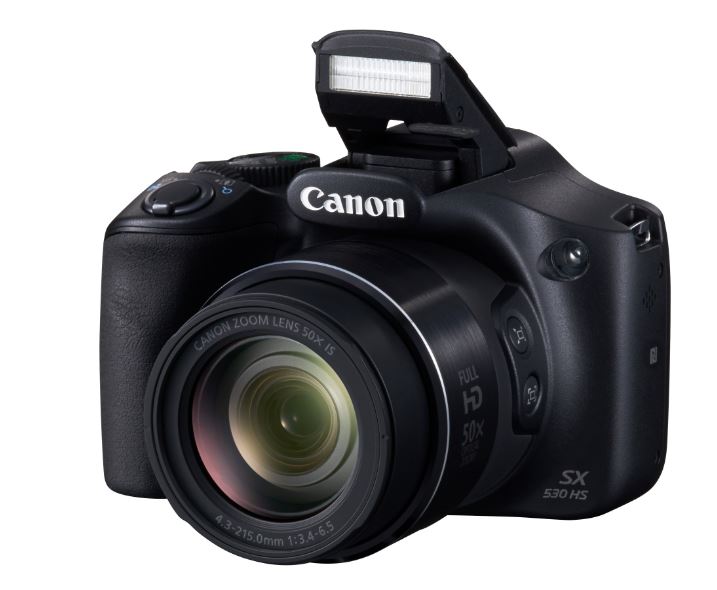
Wi-Fi, the new 16MP Canon PowerShot lets you snap, share to your phone
and upload instantly. It’s 50x optical zoom gets you up close and
personal, and even stretches out to 100x digital zoom, its ‘‘lock’’
function helping minimise camera shake (though a baby tripod never goes
astray). On the cute gimmick side, flip over to fish-eye mode, go
totally automatic, or take full control in the manual setting, and it’s a
one-button operation to start shooting 1080p Full HD video.

  
Hook your camera into your phone,

computer, printer or even your TV
via Wi-Fi or near field communication technology (NFC). Although it
weighs 128g, it’s 12x8cm, so it’s not a pocket camera, but will tuck
into a small handbag, and Canon also gives you 10GB in its new image
storage cloud,
irista.com 
. The PowerShot SX530 HS costs around $426.99. See canon.com.


TOUR: Secret treasures of our backyard

Did you know that Ku-ring-gai Chase
National Park has the world’s most concentrated collection of Indigenous
artefacts? Discover its secrets with local Aboriginal guides on a new
tour by Sydney OutBack, including the most famous, The Emu in the Sky.
The sophisticated level of Aboriginal

astronomy sees an emu carved in
sandstone match a constellation in the sky every autumn, when it’s time
to gather emu eggs. “The Guringai people were wiped out by a smallpox
epidemic in just 10 years,” Sydney OutBack’s Paul Pickering says, “but
they’ve left us a legacy to tell their story.” The full-day “Wilderness &
Aboriginal” explorer tour cruises on a private 15-metre motor cruiser
through the setting of The Secret River, the Kate Grenville novel and
recent ABC drama (film buffs note: it was filmed mostly in East
Gippsland’s untouched Lake Tyers). Cost $199 adults/ $149 concession
including Sydney CBD transfers and a bush tucker-inspired lunch. Phone (02) 9099 4249. See
sydneyoutback.com.au.


KIDS: Big fish meet small fry

A week into school holidays and out
of ideas? New zookeeper workshops let kids feed crocodiles and pat
pythons at the Australian Reptile Park at Somersby, on the Central
Coast, (see
reptilepark.com.au) while in the Hunter Valley, kids as young as six weeks have tickled
three-metre tawny nurse sharks at Irukandji Shark & Ray Encounters,
all served up with a strong conservation message (from
$29.50/$19.50/$95, see
sharkencounters.com.au). If you’re on the Gold Coast, Whales in Paradise runs three trips a
day to witness the annual migration of 20,000 whales (from $99/$69/$267
family,
whalesinparadise.com.au), and humpbacks, minke and southern right whales are now holidaying
along the South Coast. Jervis Bay Wild runs two whale-watching tours
each day, seven days a week, departing from Huskisson, 2.5 hours from
Sydney ($65/$28/$165,
jervisbaywild.com.au).


Continuing the hunt for Australia’s ultimate hipster: Ned Kelly

Armed and alert: Ned Kelly keeps a watch over you
in The Cullen Art Series hotel, Melbourne.
Photo: Belle Jackson
Fancy eyeballing a death mask watching a courtroom drama of the Kelly saga or viewing other Kellyana (yes, there is such a word) tied in with the Ned Kelly legend?

Following on from my Ned Kelly proposition as Australia’s proto-hipster, (click here to read it) if you want to continue chasing the tale of the legend, here are five other places in Victoria to view Kelly memorabilia.

State Library of
Victoria
displays portions of the Jerilderie Letter, family photographs and
also Ned Kelly’s armour (currently on loan). Free tours every Wednesday 1pm,
328 Swanston St, Melbourne, slv.vic.gov.au.
Melbourne Gaol,
where Kelly was hanged in 1880 has a death mask. Catch the ‘Such is Life’
performance, Saturdays, or re-enact the courtroom drama daily, $25 adults,
$13.50 children (5-15 yrs), 377 Russell St, Melbourne, oldmelbournegaol.com.au.
Benalla Costume
and Kelly Museum
holds pistols, a portable cell that held Ned and the
bloodied, green silk cummerbund 11-year-old Ned was given for rescuing a
drowning child, which he wore at the Siege of Glenrowan, $5 adults. Open daily,
14 Mair Street, Benalla. 
home.vicnet.net.au/~benmus.
Victoria Police
Museum
gives the police’ side of events. It holds the armour of Dan Kelly
and Steve Hart, police telegrams detailing the murders of police by the Kelly
Gang, Ned’s cartridge bag, Constable Makintires sketches policemuseum.vic.gov.au. 
The Burke Museum
in the gold-rush town of Beechworth, 285km north of Melbourne, has a new Ned
Kelly Vault, originally a gold vault. The Kellyana includes Kelly Gang guns, another
of Ned’s death masks and his favourite rifle, Betty.  It also has the armour Mick Jagger wore in the
film. The town’s court house is where Ned’s committal hearing was held in
August 1880 and the town commemorates the hearing at Ned Kelly Weekend every
August, burkemuseum.com.au.

The outlaw in the frame: Ned Kelly tourist attractions, Victoria, Australia’s ultimate hipster

Hero or villain, Ned Kelly was Australia’s original hipster, writes Belinda Jackson.


I’m lying in bed and a masked man
hovers nearby, clad in armour, brandishing a sawnoff rifle. And then it
comes to me: Ned Kelly was the ultimate hipster. 

Unforgiven by Adam Cullen (Ned Kelly and Constable Fitzpatrick),
2011

He had the beard. He
had the country hideaway. He definitely had the anti-establishment
attitude, and he was into designing his own clothes, which are still
distinctly his own, even 135 years later.


It’s only fitting, then, that Ned is
celebrated in Melbourne’s hipster digs, The Cullen hotel, in edgy,
inner-city Prahran. 

He’s in the lifts, he’s in the corridors, he’s on my
bedroom wall, watching over my bed, a metal can on his head, Winchester
repeater aimed high behind me.


The Cullen celebrates the work of
Archibald prize winner Adam Cullen, who died in 2014, aged 46. ‘‘Cullen
was … interested in representing other bad boys, criminals and
bushrangers,’’ says Tansy Curtin, senior curator at the Bendigo Art
Gallery.


The Cullen Stormie Suite

 
Staying on the hipster theme, I
ponder: what would Ned drink? Probably home-made rum, so the guy was
obviously a locavore, eating and drinking from within 100 kilometres of
his home.


This guy was into fashion, sporting handcrafted clothing.


Following suit, I raid the
offlicence just behind the hotel for a pinot grigio from the King
Valley, prime Kelly country, and score handmade pizza from the famed
ovens of Ladro, nearby.

  
And this guy was into fashion,
sporting hand-crafted clothing. 

‘‘Ned was a dandy,’’ says art curator
Andrew Gaynor, who leads me through the wealth of Kellyinspired art at
The Cullen.


‘‘Beneath his armour at the Siege of
Glenrowan, he wore a silk waistcoat, pin-striped trousers and a green,
silk cummerbund. The gang cut a really good figure, and Ned had plenty
of sympathisers to his cause for a new, free state.’’


Hero or cop killer? Choose your fairytale, which is now overlaid with decades of research, turning up crooked judges, botched

investigations and plenty of gloves-off England versus Ireland racism.


‘‘There’s so much we didn’t know until recently,’’ says Kellyphile and guide Airi Repetti, at the State Library of Victoria.


The stately building is home to Kelly’s original set of armour, forged from a set of ploughshares.

   However, if you went looking for the
44-kilogram suit of armour, you’d find a polite note telling you to go
to Bendigo, where it’s the hero artefact in a new exhibition that
celebrates the Kelly legend, Imagining Ned.


The exhibition brings together some
of the most memorable images of the man, from the Kelly series by Sidney
Nolan and his contemporary, Albert Tucker, to one entire room dedicated
to

Cullen’s huge, rich works of the players in the Kelly saga.


Edward’s Bag of Fruit by Adam
Cullen

There are photos of the bushranger’s
commanding, handsome face in a portrait he had taken just days before
he was hanged, sporting a full bushranger’s beard and an oiled quiff.

  
And beside it, created just days later, the impossibly sad death mask of Kelly, clean-shaven and vulnerable for eternity.


His head was cut from his body to
create several moulds and, a week after his execution, the general
public could ogle the death mask in the Bourke Street waxworks museum
owned by the maskmaker, Maximillian Kreitmayer, who used it to link
criminality and lowered brows in

the crack science of phrenology.
While his bones were interred in a country town’s cemetery in 2013,
Ned’s skull is missing still, which only adds to the legend.


There’s a bound manuscript of Peter
Carey’s novel, The Secret History of the Kelly Gang; a reward poster
offering the fortune of £8000 for the four men at a time when a
labourer’s annual wage tipped £50; pictures of the siege printed on
chocolate boxes; and Ned’s Snider-Enfield 0.577 calibre long rifle.


It’s only 135 years, or four
generations back, that Ned Kelly was hanged in Melbourne Gaol. As I’m
driving back to Melbourne from Bendigo, an angry talkback caller is
blasting the radio, comparing executed drug

smugglers Andrew Chan and Myuran Sukumaran to Ned Kelly.


‘‘It’s just this stupid Australian habit of turning criminals into heroes!’’ she fumes.


The Schaller Studio lobby, Bendigo

A week later, my child’s ballet
teacher mentions that her elderly mother knew the Kelly family. ‘‘It
seems no one wanted to know them, in the past,’’ I say. ‘‘Yes, but we
all know what the police did – the rapes, the harassment,’’ she says,
matter-of-factly.


Brought up by Irish Catholic nuns,
my sympathies can only go the way of the Kelly gang, with its backstory
of police harassment, the assault of his sister and the sentence of
three years’ hard labour for his mother, while carrying a newborn babe.


On the other side of the fence, he’s
a pathological liar, layabout criminal and unremorseful murderer,
preferring armed robbery to honest farm labour.


Criminal, anti-hero, cult leader or
Australia’s answer to Robin Hood? Despite the new exhibition and the
museums, the jury is still out.


Such is life. 

TRIP NOTES
STAYING THERE Images
of Ned Kelly feature throughout The Cullen hotel. Costs from $209 a night for a
studio suite, 164 Commercial Road, Prahran, thecullen.com.au. In Bendigo, its sister art hotel, The
Schaller Studio, costs from $115 a night for a Workspace Queen, cnr Lucan &
Bayne Sts, Bendigo. Phone 1800 278 468.
artserieshotels.com.au/schaller.
THINGS TO SEE AND
DO

Imagining Ned shows until June 28. Bendigo
Art Gallery (closed Mondays) has free tours at noon Wednesdays and Saturdays, $10
adults. Phone (03) 5434 6088, see bendigoartgallery.com.au.

PHOTOS: (Clockwise from main) Estate of Adam Cullen and Michael Reid Art Gallery
 

This feature by Belinda Jackson was published in the Sydney Morning Herald/The Age newspapers.  

Art in Melbourne: Big guns and local heroes

David Bowie’s Aladdin Sane album cover (1973)PICTURE: BRIAN DUFFY
© DUFFY ARCHIVE & THE DAVID BOWIE


Think big. Really big. Big as
Beijing, Bowie or the Great War. Yes, that big. And they’re all coming
to Melbourne for a calendar packed with blockbuster storylines,
intriguing characters and high drama galore.


The National Gallery of Victoria 
loves to steal the limelight, and
the line-up over the next six months gives it ample reason to preen a
little. Priceless Ming and Qing dynasty treasures from Beijing’s Palace
Museum, in the Forbidden City, are on display in A Golden Age of China:
Qianlong Emperor,

1736–1795 (until June 21) . 

Hot on
its heels, the riches of Russia’s Hermitage Museum are this year’s
Melbourne Winter Masterpieces coup. Fresh from St Petersburg,
Masterpieces from the Hermitage: The Legacy of Catherin the Great is a rich, lush
extravaganza of 400 works from the personal collection of the
long-ruling queen. Expect works from Rembrandt, Velasquez, Rubens and
Titian. Both are Australian exclusives and the frst time these
exhibitions have left their respective homes.


Balance all this international
action with a dose of Australiana. Tap into your inner petrolhead to
ogle the world’s fastest car back in 1971, the Chrysler Valiant Charger
E49, or enjoy a fashback to your time in a Holden Monaro or Torana.
Shifting Gear: Design, Innovation and the Australian Car is a
celebration of our classic car designs, with 

23 iconic, rare and prototype
vehicles on show (until July 12) . 

It’s not all looking backward,
either. Transmission: Legacies of the Television Age explores how TV has
infuenced art and contemporary culture, and looks forward to new
technologies. It also includes a major new acquisition by Ryan Trecartin
& Lizzie Fitch (May 15 – Sept 13) . Smaller fry are also catered
for with a hyper-interactive kids’ show, Tromarama (May 23 – Oct 18, see

nvg.vic.gov.au)  . 

Like most of the world, Melbourne
remembers the 100th anniversary of the Great War but has a world-frst
exhibition of more than 350 artefacts drawn from the vast collections of
London’s Imperial War Museums. The WW1 Centenary Exhibition is now
showing at the Melbourne Museum (until October 4, see museumvictoria.com.au) . 

Melbourne’s Shrine of remembrancePICTURE: CRAIG RIDLEY

Tie it in with a visit to
the Shrine of Remembrance, which has undergone a timely $45million
renovation and now has several permanent and temporary exhibitions
focusing on Australians in war and peacekeeping roles.


If you prefer to fick your hips
during art exhibitions, catch the only Australasian showing of David
Bowie Is
. Hailing from London’s Albert & Victoria Museum, this
exhibition allows visitors to watch rare film, peruse album artwork and
admire the wildly fabulous costumes worn by Bowie as he morphs from
Brixton teen to supersonic

superstar. Showing at ACMI in Federation Square (July 16 – Nov 1, see
acmi.net.au/bowie) .


But Melbourne’s art scene is not all
of-the-scale blockbusters. Shh. Focus. And there, in the small spaces,
in the hidden doorways and the unassuming rooms, Melburnians are quietly
creating beautiful objects and thought-provoking conceptions. Find a
detailed map of the city and navigate your way into independent
galleries and artist-run initiatives across the city.


With its curved, pink wall tiles and
ornate signposting to long-dead public telephone rooms, the Degraves
Street subway
(also known as Campbell Arcade) was built to help workers
coming from Flinders Street Station skip the crowds during the 1956
Olympics. Keep an eye on the walls for the Platform Artists Group’s
regular exhibitions and performance art. Ten nip into nearby
fortyfivedownstairs for performance art and two permanent galleries (45
Flinders La, Melbourne, see fortyfivedownstairs.com)

Make time to spot the Next
Big Thing, see the latest sculpture or taste new media at Flinders Lane
Gallery
(137 Flinders La, see
flg.com.au) . Set amid some of the city’s hidden street art, the Dark Horse
Experiment artist studios are an unruly delight (110 Franklin St,
Melbourne, see darkhorseexperiment.com), while Twenty by Thirty
Gallery
is Melbourne’s smallest artist-run gallery. You’ve got to be on
your toes to spot it. Located outside Melbourne’s smallest bar, Bar
Americano, its exhibitions change on the first day of the month (20
Presgrave Place, Melbourne, of

  
Little Collins St) . 

And step out of
the city grid to anarchic Collingwood’s The Compound Interest for a
creative commune of publishers and print, fashion and lighting designers
(15-25 Keele St,
thecompoundinterest.com)


Blow away the Big City smoke with a
drive into the country. Turn the wheel and aim for the Mornington
Peninsula, just an hour from Melbourne’s GPO, for a seaside escapade.
For a small town, Mornington sure steals a lot of air in the art world. 

McClelland Sculpture Park+Gallery

Keep your eyes peeled on the drive for three gargantuan sculptures along
the Peninsula Link freeway, commissioned by the McClelland Sculpture
Park+Gallery
, in Langwarrin.

Set on a 16-hectare block of
bushland, the gallery ofers Australia’s richest sculpture prize. Te 2015
Montalto Sculpture Prize, worth $100,000, was won by Melbourne-based
artist Matthew Harding. His award-winning sculpture, Void, is on display
with 32 other works in an outdoor exhibition (until July 19, see
mcclellandgallery.com).


It doesn’t stop there. Put the
unassuming Mornington Peninsula Regional Gallery , just 20 minutes away,
on your must-stop list. Its modest frontage belies thoughtful curation,
with esoteric art and ethereal seascapes on show in the upcoming
exhibitions, Windows to the Sacred and Jo Scicluna’s Where We Begin (May
15 – July 12, 350 Dunns Rd, Mornington).


And what is art without wine? Taste
your way through some of the oldest vineyards in the region at the new
Crittenden Estate Wine Centre, then fnd a little villa to call you own –
at least for the night – on Crittenden’s serene grounds (25 Harrisons
Rd, Dromana, see
crittendenwines.com.au) . 

Or pull up a pew in the bistro
of a chic Red Hill jewel, Polperro Wines , with its new cellar door and
villas, complete with open fres and vineyard views (150 Red Hill Rd,
Red Hill, see
polperrowines.com.au) . Perfect for a blend of good dining and great contemplation.


Brought to you in association with Tourism Victoria. 

This feature by Belinda Jackson was published in the Sydney Morning Herald and The Age’s Traveller section. 

Tate Britain art gallery: Art reincarnated

The spiral staircase inside the main foyer of the
Tate Britain art gallery in London. Photo: Alamy

London’s Tate Britain shines from its $86
million facelift, right down to the cafe’s teaspoons and fridge magnets,
discovers Belinda Jackson.

Once a stultifying swamp, then a prison for Australians’
ancestors, Millbank, on London’s Thames River, is home to London’s
latest glorious art reincarnation, the Tate Britain art gallery.

The
home of the Turner Prize, which turns 21 this year, the Tate Britain
opened in 1897 as the National Gallery of British Art. The Tate Modern
broke away from its fusty parent in 2000 to become the world’s most
popular museum, leaving the Tate Britain to languish, unloved, in its
ultra-cool cousin’s shadow. Now, a $86 million renovation has the
gallery sparkling.

Instead of slinking round the side entrance like it’s your
dirty secret, the main Thames-facing entrance is once again open, so I
strut boldly up the stairs and into the most beautiful atrium, crowned
by a dramatic glass dome that has been hidden from view since the 1920s.
The dome allows sunlight to pour into the elegant foyer and down a new
spiral staircase. Visitors simply stop and stare at the architectural
beauty, camera phones working hard.

The staircase leads to new
galleries below, including two set aside for special exhibits. While
entry into the regular collection is free, these two are not.

The
new BP Walk through British Art steers you past 500 paintings, from
severe portraits of the Tudor nobility of the early 1500s around to a
modern installation of ethnographic totems. I’m reminded of the
Aboriginal Memorial in the National Gallery of Australia, but peering
into the gloom, I spot the head of Ronald McDonald … and is that a
crucified Big Mac? It’s The Chapman Family Collection, by artists Jake
and Dinos Chapman.

We break for lunch, but because we’re toting a
toddler, the swish Whistler Restaurant with its restored 1927 Rex
Whistler mural gets a miss. Instead, we bags a sofa amid  Doric columns
in the new Djanogly Cafe. Our open sandwiches of British salmon and
blood-red rare roast beef are followed by coffee served with “Manners”
double-ended teaspoons designed by artist Nicole Wermers. Word is
they’ve quickly become a must-have souvenir for many light-fingered
patrons.

Cool Britannia abounds: visitors snap favourite artworks
on mobile phones, cruise the gallery with a mobile phone app, and a
temporary gallery is stormed briefly by a gang of young schoolchildren
wielding “More Art for Kids” placards.

If I had a gripe, it’s
because my favourite painting – and I’m an unashamed pre-Raphalite
romantic  –  is lost in the busy 1840s room. Waterhouse’s The Lady of Shalott
is still pale and deathly beautiful, but what’s she doing, alone and
palely loitering high up in the gods? I almost miss her.

But even if I
did bypass her in the gallery, she’s waiting for me at the gift shop –
of course, one exits through the gift shop – she’s zapped conveniently
on to a fridge magnet. It just proves that while the renewed Tate
Britain is tour-de-force of art curatorship, her feet are still on solid
British soil.

This article by Belinda Jackson was published in Sydney’s Sun-Herald newspaper’s Traveller section.

Guide to a three-day trip to Melbourne

Caffe e Torta.
Caffe e Torta, 314 Little Collins St, Melbourne.
Photo: Belinda Jackson

Want to drink coffee, sip martinis, frequent the best
eateries and shop like a true local? Melburnian Belinda Jackson shows
you how to pack it all into a three-day extravaganza.

 Sure, Melbourne’s got Vespas parked outside sidewalk cafes and your
tailored winter coat will always get a workout here, but this town is no
poor man’s Europe. The star of the south is home to the world’s best
baristas, quality late-night dining and truly great shoe shopping,
without wowsery curfews, iced pavements or a $1000 airfare. This season,
expect great coups in the art exhibition world, affordable eats from
the brightest chefs and gorgeous indie fashion.

DAY ONE

Good morning, Melbourne! Swan down the Paris end of town where
Euro-fash Doc Martin’s fires up the espresso machine at 7.30am (86
Collins St, see collinsquarter.com)
so you’re ready for Melbourne’s power block of shopping, from Bourke
Street Mall to Lonsdale St. Sparkly new Emporium leads into the
made-over Strand Melbourne Arcade and onto Melbourne’s GPO, home of
Australia’s first H&M. The antidote for all this gorgeousness is the
Grand Trailer Park Taverna. Pull up a caravan and order the Chunk
Double-Double with a boozy milkshake (87 Bourke St, see grandtrailerpark.com.au)
then say hi to Casey Jenkins (she of Vagina Knitting), waiting in the
Dark Horse Experiment artist studios to do whatever you want. The rules:
she doesn’t leave the gallery “and you have to leave her body the way
you found it” (110 Franklin St, see darkhorseexperiment.com)
Need a drink? Wander down Melbourne’s Chinatown, push open a
nondescript door and tell the guys in Union Electric Bar you’d like a
West Winds gin and fresh apple juice, please (13 Heffernan La). Now snag
an upstairs booth in new Magic Mountain Saloon, of Cookie pedigree.
Oooh, that Thai is spicy. Pair with a Tom Thumb mocktail or espresso
martini with cold-pour coffee (62 Lt Collins St, see magicmountainsaloon.com.au).

DAY TWO

Possibly Australia’s first cereal restaurant, Cereal Anytime pops up
in Richmond’s Swan Street Chamber of Commerce alongside the fine teas of
Storm in a Teacup (214 Swan St, Richmond) but if it’s cookin’ you’re
lookin’ for, mosey down to social enterprise Feast of Merit for
shakshuka and a warm glow (117 Swan St, Richmond, see feastofmerit.com).
Follow with a lazy 2.25km parklands stroll to the treasures of the
Forbidden City’s Palace Museum in The Golden Age of China Qianlong
Emperor, 1736–1795 (180 St Kilda Road, see ngv.vic.gov.au)
then explore St Kilda’s most happening pocket, 56-72 Acland St: eke out
a rum-and-tapas lunch in The Nelson, real Peruvian in Buena Vista
Peruvian Kitchen, inhale manchego and leek croquetas at Lona Pintxos Bar
or call for shisha and Middle Eastern mezze in 40 Thieves & Co.
Crush the calories on a City Sights Kayak guided tour down the Yarra,
good with kids from eight years ($78pp, see urbanadventures.com) Now you can indulge at the effortlessly French L’Hotel Gitan. Do oysters and champagne, do the Cape Grim porterhouse (see lhotelgitan.com.au).
Wind down with Australia’s best cocktails at oddball Bar Exuberante.
Expect typos on the menu, expect a knock-back if its 14 seats are
already occupied (438 Church Street, Richmond, see facebook.com/BarExuberante).

DAY THREE

Savour the flavour of a bagel that’s taken a New Jersey local two days to create at 5 and Dime Bagels (16 Katherine Pl, City, 5dimebagel.com.au)
or experience true coffee geekery at First Pour cafe, home to
Victoria’s 2015 barista champ, Craig Simon (26 Bond St, Abbotsford).
Blow the city for a breath of country air at Heide Museum of Modern Art.
Explore the contemporary collections and sculpture gardens with a Cafe
Vue lunch box by super-chef Shannon Bennett (7 Templestowe Rd, Bulleen, heide.com.au).
On the way back into town, take a quick prance into Lupa to flick the
racks for local indie fashion designers (77 Smith St, Fitzroy, lupa.com.au) Nicely timed, you’ll make happy hour and a gin high tea at new G&Tea (100 Kerr St, Fitzroy, gandtea.com.au)
Don’t go overboard: you’ve got dinner booked in at Fatto Cantina,
beloved for its late-night Sicilian dining and city views from the
terrace. Finish with a stroll across the river on the love-locked Yarra
footbridge and back into the city’s heart.

Emporium Shopping Centre.

FIVE MORE MELBOURNE MUST-DOs

1. Taste authentic Ethiopian, Vietnamese and Greek cuisines on a Footscray food tour with expert Alan Campion, $110, see melbournefoodtours.com.
2. Stretch with the locals at hip hop yoga in South Yarra (yoga213.com.au). If you don’t dig downward dog to Snoop Dogg, slap on the bling and shimmy round The Tan, 3.8km around the Botanic Gardens.

3. Go anti-establishment in Northcote at
the new Estelle Bistro. Chef Scott Pickett tips the Cantabrian anchovies
with romesco, with a Clarence House pinot blanc (243 High Street,
Northcote, estellebistro.com)
4. The Monash Gallery of Art was designed by starchitect Harry Seidler and shows 2000 works of Australian photography, see mga.org.au.
5. Do the Signature Kitya Karnu scrub, massage, cleanse and river stone ritual in the Aurora Spa (The Prince hotel, St Kilda, see aurorasparetreat.com.au)

Degraves Lane.
Degraves Lane. 

TRIP NOTES

MORE INFORMATION

visitmelbourne.com/

GETTING THERE

Virgin Australia, Qantas, Tigerair and Jetstar have many flights between the two capitals. Compare fares with skyscanner.com.

STAYING THERE

New city digs include Coppersmith (South Melbourne, see coppersmithhotel.com.au), Doubletree Hilton (city, see melbourne.doubletree.com), Larwill Studio (Parkville, see artserieshotels.com.au), Mantra City Central (city, see mantra.com.au) and Jasper Hotel (city, see jasperhotel.com.au)

This feature by Belinda Jackson was published in Sydney’s Sun-Herald newspaper Traveller section. 

Taking a break in Shanghai, lounging like a lizard, Townske launches: Takeoff travel news


NEWS

Lounge on Lizard Island
The luxurious
Lizard Island opens its doors on Tuesday to reveal a multi-million dollar
refurbishment. The resort, located 240km north of Cairns in the Great Barrier
Reef, has been closed since it was damaged extensively by Cyclone Ita in April
2014. New to the island is The Villa, a two-bedroom, 95-square-meter ridge-top
eerie, as well as a new restaurant, new bar and a wine room with menu by wine
critic Jeremy Oliver. There are more private plunge pools, more panoramic view
points and the Essentia Day Spa has partnered with Parisian apothecary La
Biosthetique What hasn’t changed are the 24 white-sand beaches and proximity to
one of the world’s top dive sites, Cod Hole. Garden rooms start from $1699 a
night while The Villa will set you back from $5200 a night. The resort, reached
only by private aircraft, will be all systems go from April 1. See lizardisland.com.au.
GEAR
Sightseeing on the run
Oh you were so good
last night! You evicted yourself from that exotic bar before midnight so you
could explore the quiet streets of this new city with a morning run. Give your
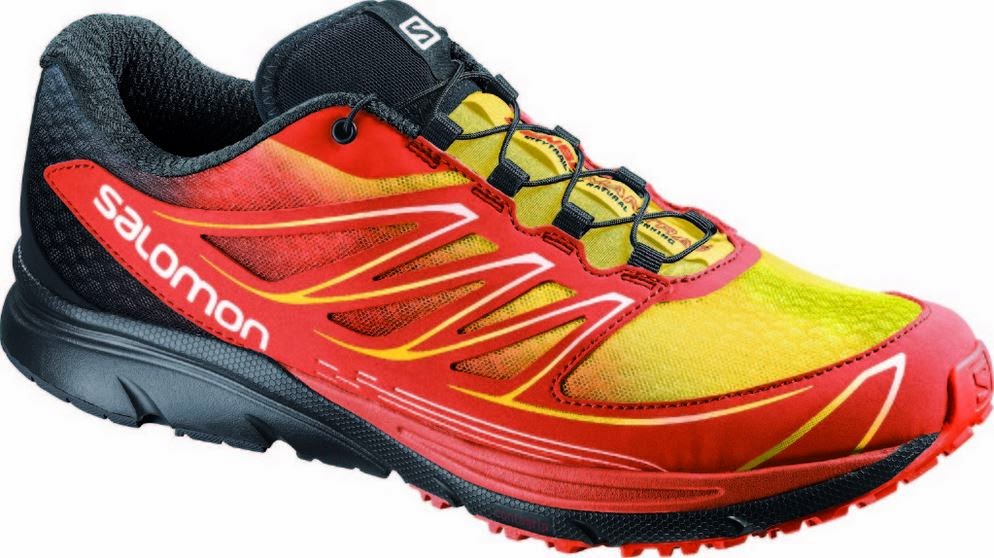
early morning a little help with Salomon’s newest city trail runner, the Sense
Mantra 3, which has a breathable mesh upper, cushioning for pavement pounding
and comes in various colours, including this sunshine-bright version.
Originating in post-war France, Salomon focuses on light weight – the women’s British
size 5.5 Sense Mantra 3 weighs just 250g – and its ENdofit technology wraps the
foot for a stable, protected yet natural stride. The Sense Mantra 3
is available in women’s and men’s fits, RRP $179.99. Kids’ sizes are available
in some ranges. See salomon.com.
TECH
Guide to glory
Not a backpacker or flashpacker, a tourist or traveller?
So you don’t fit the mould for a million travel guides? Find a guide that
grooves to your own style of travel on Townske, a new social media outlet that
lets you follow like-minded locals or become a guide yourself. Just emerging
from its soft-launch cocoon, Townske is the brainchild of the luggage/trend
aficionados behind Rushfaster.com. It’s already attracted guides sharing
spectacular photography from the top of Hong Kong’s skyscrapers bridge
climbers, proffering dinner tips in Paris or revealing the best of Stockholm
metro’s architecture, all on the one site. It’s ever changing, just like our
world. See townske.com.
TRAVEL WRITING
Get on track
Sick of reading others’ fabulous travel memoirs when you
could do so much better? Let award-winning travel writer Rob McFarland coax out
your inner Kerouac with
his travel writing workshops. McFarland, who writes for Traveller, conducts his
workshops in Sydney and also has a correspondence version, if you’re already on
the road. He also offers a story review service for those who have already
penned On The Road Mark II. The intensive
two-day course is limited to 12 students and runs on March 21 and 28 at Vibe
Hotel, 111 Goulburn St Sydney. Costs $599, or $549 for Sun-Herald readers. See robmcfarland.org.
FOOD
Hop in to a feast
Australia’s third-largest
island, Kangaroo Island, is laying the tables for its 2015 food celebration,
FEASTival. The annual festival is headed up by kitchen doyenne Stephanie
Alexander, who harvests her kitchen garden to help create the signature SeaLink
Enchanted Garden launch dinner. Other highlights of the nine-day food festival
include gin-making, French and Italian cuisine masterclasses, riverside picnics
and a family day in Kingscote with music, cooking demos, a farmer’s market and
food stalls. KI is famed for its wildlife, so there are also pop-up wilderness
events around the island, including Breakfast with the Birds, a bush brekky at
dawn with local wildlife experts and wildlife artist Janet Ayliffe. The island is
connected to Adelaide by short flights with Rex Airlines or by ferry from Cape
Jervis, two hours’ drive from Adelaide. FEASTival runs from May 1-8. See tourkangarooisland.com.au/kifeastival,
rex.com.au and sealink.com.au.
KIDS
Shanghai’s art of
glass
If you thought kids and glass didn’t mix, you’re wrong.
At least, you’re wrong in Shanghai, where the new Kids Museum of Glass has
recently opened. Aimed at 4-10 year-olds, kids can watch and play with glass
art, magic mirrors and rainbows in its DIY Creative Workshops, learning all
about glass through play. Attached to the Shanghai Museum of Glass, it’s a
little haven in a big city, with a chic cafe, lockers and wi-fi for your
Instagram uploads of cute kids doing wonderful things with glass blowing and
sand blasting. Costs 48RMB ($10) for a child under 1.3m (one parent goes free)
or 88RMB which gives entrance to both the kids’ and main museum and a Hot Glass performance. Open daily except
Mondays. See kmog.org.
The Takeoff travel news, by Belinda Jackson, is published every Sunday in Sydney’s Sun-Herald newspaper’s Traveller section. 

Global Salsa

Well, you’ve scrolled this far. What do you think? Drop me a line, I’d love to hear from you.

Privacy Settings
We use cookies to enhance your experience while using our website. If you are using our Services via a browser you can restrict, block or remove cookies through your web browser settings. We also use content and scripts from third parties that may use tracking technologies. You can selectively provide your consent below to allow such third party embeds. For complete information about the cookies we use, data we collect and how we process them, please check our Privacy Policy
Youtube
Consent to display content from - Youtube
Vimeo
Consent to display content from - Vimeo
Google Maps
Consent to display content from - Google