I’m a journalist, travel writer, editor and copywriter based in Melbourne, Australia. I write pacy travel features, edit edifying websites and fashion flamboyant copy. My articles and photographs have appeared in publications worldwide, from inflight to interior design: I’ve visited every continent, and have lived in three. Want to work together? Drop me a line… 

Follow


Of myth, graves and art: Tasmania, Australia

Photo courtesy of Henry Jones Art Hotel

Back in the mists of time, nobody used to admit they were from Tassie, the heart-shaped island state of Australia. If you escaped from Tasmania, you rebranded and moved on.

Now, it’s deeply fashionable to be from somewhere other than Melbourne or Sydney, and Tassie is as hot as it gets, with a bumper food scene, fabulous scenery and its Henry Jones Art Hotel, which claims is position as Australia’s first art hotel.

I popped down just as winter was kicking in – a little too early to catch snow on kunanyi / Mount Wellington – but with a wind imported directly from Antarctica, which howled down the wharves, sending shutters shuddering and reminding me,  in the dead of the night, of the myth and graves on which this island is founded.

You can read my review of the recently renovated Henry Jones, which was published in the Sydney Morning Herald and The Age newspapers here .

Cairo: The palace walk

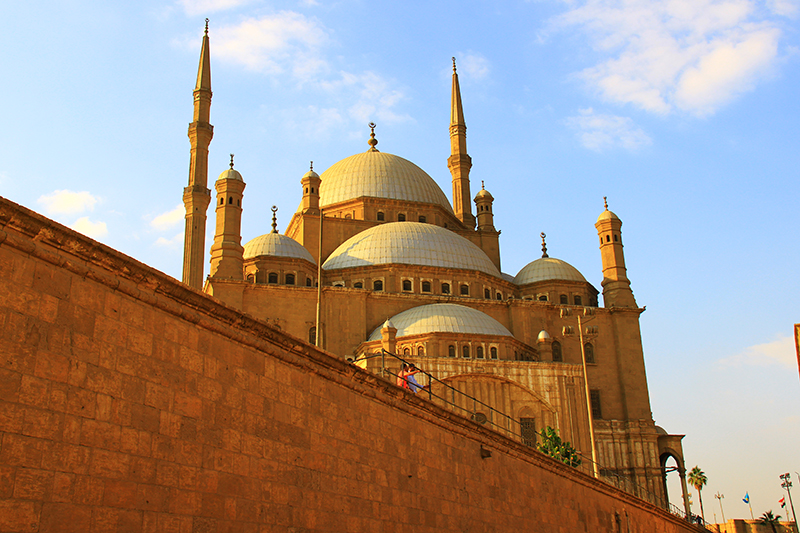
Lined with palaces, mosques, merchant’s mansions and markets, Cairo’s Al-Muizz is a contender for the Middle East’s most beautiful street.

It’s the ancient thoroughfare of medieval Cairo, the lifeblood of a dozen centuries: every time I return to Cairo, I find myself walking the length of Al-Muizz li-Din-Allah. Like most before me, I’m lured by the street’s imposing palaces and caravanserais, its dusty mosques and vivid markets.

I’ve walked this street countless times over a decade, and each time, I make a new discovery. A forgotten tomb. A synagogue. Cool, dark water cisterns that plunge deep underground or a merchants’ mansion, instructive in the ways of generations of traders, aristocrats, craftsmen and families who filled the streets of Islamic Cairo when it was established by the Shi’ite Fatamid regime in 969AD.

In case you haven’t twigged, Egypt is back on the tourism trail after seven years languishing in the doldrums after its revolution in 2011, which overthrew dictator Hosni Mubarak, who’d run the country as his personal fiefdom for 30 years. They’ve now got another army brass running the country – plus ça change, plus c’est la même.

Cairo’s Citadel, which overlooks the city. Photo: Belle Jackson

But finally, with stability and growth taking place around the country (think, highways remade, new airports open, Nile cruise boats dusted off), it’s fabulous to see the return of one of Egypt’s major industries.

Cairo often gets but a cursory glance while everyone rushes to the Pyramids then down to Luxor, but spend the turn of the day in El Muizz for what I think is one of the world’s most beautiful streets.
Thanks to Vacations & Travel for again going ahead of the trend and publishing my feature on this beloved street.

https://www.vacationsmag.com/palace-walk-cairo/

Walking in Palestine: make hummus, not war

The turn of each year always calls for contemplation, and looking back at last year’s travel, Palestine definitely wins as the most dramatic of the destinations I visited in 2017, which included Jaipur (India), Bali (Indonesia), Egypt, Greece, a brief fling in Qatar and plenty of lovely Australian destinations.


Upload FilesIt’s been a while since I entered a country with such trepidation and so many questions (Will they stamp my visa on a piece of paper? (Yes) Will I find beauty? (Yes) Will I starve (An emphatic no) Will I cross borders easily? (No bother until I departed Tel Aviv airport at the end) and, most importantly, Will I be safe? (A resounding yes to feeling safe in Palestine, especially compared with the state-sponsored gun-fest that was, for me, Jerusalem).

Bedouin_campJPG

On my week-long hiking tour through Palestine’s West Bank, I walked with just one other hiker – another woman – and our guide, the fabulously patient, deeply knowledgeable and supremely courteous Anwar. Just the three of us, wandering remote valleys and sunbaked hilltops.

We slept in Bedouin camps, in people’s houses and in small, family-run hotels, drinking an inordinate amount of sweet, thyme-scented tea and eye-poppingly strong coffee, while eating our bodyweight in fresh dates that melt on the tongue like brown sugar.

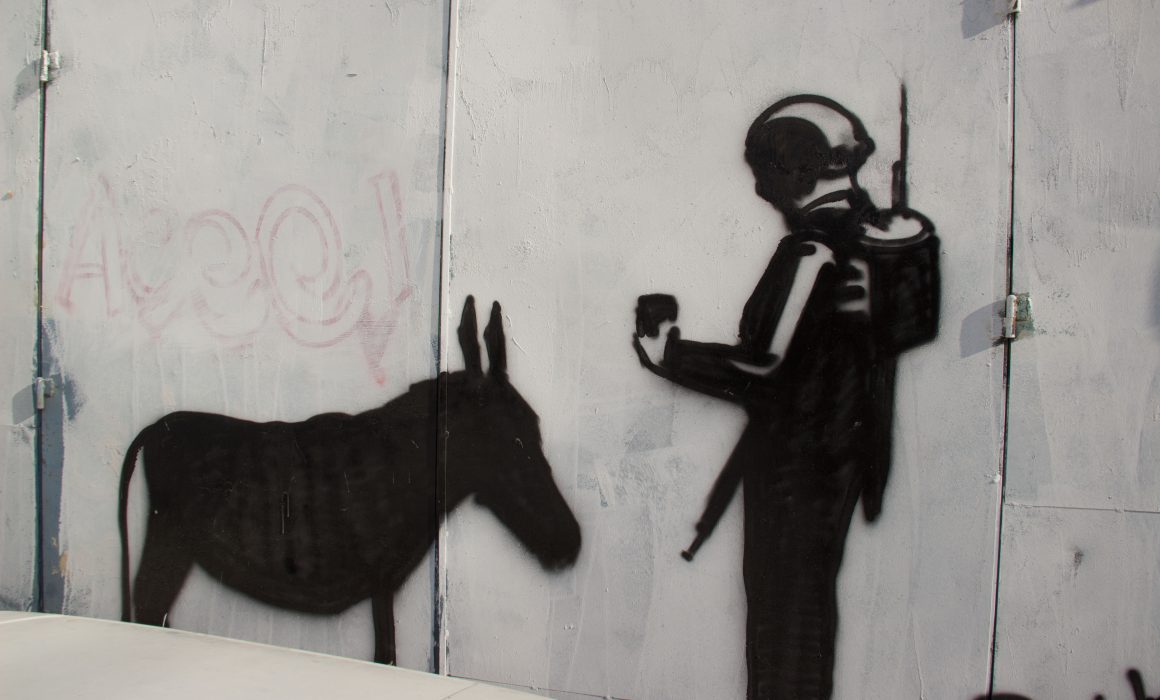
Highlights include adding our own Banksy-designed graffiti onto the towering concrete walls that separate the West Bank from Israel, wandering ancient markets buying spices and baklava, and visiting remote monasteries hidden in the ravines and valleys that mark the countryside.

DISCLAIMER: In Palestine, I was a guest of Crooked Compass tours, and would recommend them thoroughly for their wildly adventurous destinations and experiences.

From Rajasthani fortress to boutique hotel

FortBishangarh
Photo: Belle Jackson

Catching up on my poor, neglected blog. The reason for my neglect is
good: I’ve been tromping around the wilds of Rajasthan, specifically
Bishangarh, a little village about an hour north of Jaipur.

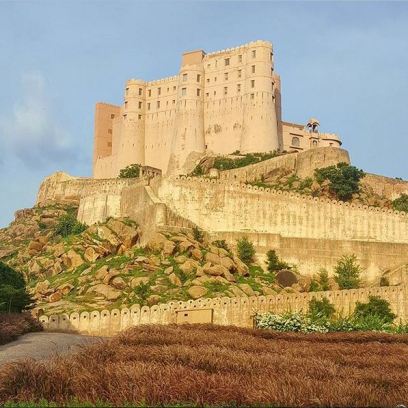
The lure was the opening of the new Alila Fort Bishangarh, a fortress turned boutique hotel. I went crazy on instagram – take a look.

It took seven years to convert the 230-year-old fort, and it still
retains a tang of military austerity. Happily, the dungeon is free of
bats, snakes and gunpowder: it’s now an Alila spa, and staircases lead
to rooftop restaurants or a little yoga platform. I did a little
housework, cooking flatbread over an open fire in a mud-floor house, I
cycled past camel carts and flocks of goats and took a brief pilgrimage
to a Hindu temple – interspersed with cool, scented towels, sugared lime
juice and dips in this pool (below) because hey, it’s monsoon season in
this part of the world, and why suffer if you don’t have to?

FortBishangarhpool.JPG
Photo: Belle Jackson

My first review is out, for the Sydney Morning Herald/Sunday Age Traveller: click here to read it. If you’re planning a sojourn to Jaipur in the near future, this hotel absolutely must be on your list.

From Rajasthani fortress to boutique hotel

Oh I’ve been bad – this poor blog! But the reason for my neglect is good: I’ve been tromping around the wilds of Rajasthan, specifically Bishangarh, a little village about an hour north of Jaipur.

FortBishangarh

Photo: Belle Jackson

The lure was the opening of the new Alila Fort Bishangarh, a fortress turned boutique hotel. I went crazy on instagram – take a look.

It took seven years to convert the 230-year-old fort, and it still retains a tang of military austerity. Happily, the dungeon is free of bats, snakes and gunpowder: it’s now an Alila spa, and staircases lead to rooftop restaurants or a little yoga platform. I did a little housework, cooking flatbread over an open fire in a mud-floor house, I cycled past camel carts and flocks of goats and took a brief pilgrimage to a Hindu temple – interspersed with cool, scented towels, sugared lime juice and dips in this pool (below) because hey, it’s monsoon season in this part of the world, and why suffer if you don’t have to?

My first review is out, for the Sydney Morning Herald/Sunday Age Traveller: click here to read it. If you’re planning a sojourn to Jaipur in the near future, this hotel absolutely must be on your list.

FortBishangarhpool.JPG

Photo: Belle Jackson

.


Glamping in Oman

Oman

Warning: gratuitous carpet shot!
Pulled this one out of the archives when thinking about the things I love most about Oman, in prep for my chat with the food & travel radio show @amoveablefeast_3aw this morning. Glamping in style in the Wahiba Sands, on the edge of the mysterious Empty Quarter.

Of pharaohs and heroes: Journey to Egypt

Giza Pyramids.JPG

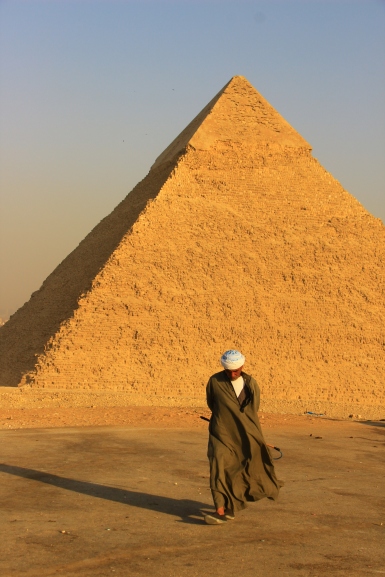
The Pyramids of Giza, Egypt.Photo: Belinda Jackson

I am so pleased to publish this blog about my recent article in Luxury Travel magazine. This is the first story I’ve written for a mainstream publication about Egypt since its revolution, back in 2011. The feature had the invaluable support of Abercrombie & Kent, which maintains its Cairo office, staffed by charming, knowledgeable Cairenes.

While other countries affected by civil unrest and terrorism events have slipped back onto the travel pages within weeks of the events, I feel Egypt – where I have lived and continue to return to every year – has been punished too harshly, and it suffers deeply the loss of one of its key sources of income.

The people lean heavily on tourism with good reason: their undeniable treasures include the Pyramids of Giza, the colossi at Abu Simbel, the gracious and eternal Nile. And they’re just three of its riches.

Egyptians say that once you’ve drunk from the Nile, you’ll always return. Maybe you’re not up for a cup of river water, hopefully this article will inspire you to visit -or to return.

We come to visit the gods. Stern of face, empty of eye, they stare. Blank, sightless eyes see nothing, yet see everything in the future and back to the ancient world. The colossal sculptures of Abu Simbel are in Egypt’s deep south, touching on the border with Sudan, and are the jewel of the appropriately named Nile in Style journey with Abercrombie & Kent.

“Nowhere are there so many marvellous things, nor in the whole world beside are there to be seen so many works of unspeakable greatness,” wrote Herodotus of Egypt in the fifth century BC. Fifteen centuries later, he’s still on the money.

Click here to read on about my journey down the Nile.


Of pharaohs and heroes: Journey to Egypt

The Pyramids of Giza, Egypt.
Photo: Belinda Jackson

I am so pleased to publish this blog about my recent article in Luxury Travel magazine. This is the first story I’ve written for a mainstream publication about Egypt since its revolution, back in 2011. The feature had the invaluable support of Abercrombie & Kent, which maintains
its Cairo office, staffed by charming, knowledgeable Cairenes.


While
other countries affected by civil unrest and terrorism events have
slipped back onto the travel pages within weeks of the events, I feel
Egypt – where I have lived and continue to return to every year – has
been punished too harshly, and it suffers deeply the loss of one of its
key sources of income.


The people lean heavily on
tourism with good reason: their undeniable treasures include the Pyramids
of Giza, the colossi at Abu Simbel, the gracious and eternal Nile. And
they’re just three of its riches.


Egyptians
say that once you’ve drunk from the Nile, you’ll always return.

Maybe
you’re not up for a cup of river water, hopefully this article will
inspire you to visit – or to return.


‘We
come to visit the gods. Stern of face, empty of eye, they stare. Blank,
sightless eyes see nothing, yet see everything in the future and back to
the ancient world. The colossal sculptures of Abu Simbel are in Egypt’s deep south, touching on the border with Sudan, and are the jewel of the appropriately named Nile in Style journey with Abercrombie & Kent.

“Nowhere
are there so many marvellous things, nor in the whole world beside are
there to be seen so many works of unspeakable greatness,” wrote
Herodotus of Egypt in the fifth century BC. Fifteen centuries later,
he’s still on the money.’

Click here to read on about my journey down the Nile.

Tang: Treasures from the Silk Road capital

If you wanted to brush up on your knowledge of China’s Golden Age,
the Tang Dynasty, you could do worse than regressing to a 1970s
childhood. Grab the beanbags and binge on the campy Japanese kids’ TV
show, Monkey.

Let’s leave aside that the lead character, Monkey, is a celestial
monkey warrior and king of primates who’d conjure up an army from a few
plucked chest hairs, ride a white cloud and could transform himself into
a hornet to irritate and defeat evil: the TV program is rooted in fact.

Monkey is based on the 16th-century Chinese epic Xi You Ji
(Journey to the West), which traces the 17-year pilgrimage of the monk
Xuanzang from China to India, in search of Buddhist scriptures. In Monkey,
which was dubbed hilariously into English, the monk is called
Tripitaka, an honorary title used during the Tang Dynasty for those who
had mastered the Buddhist scriptures.

To read more about the Tang: treasures from the Silk Road capital exhibition, on display at the Art Gallery of NSW until 10 July, click here.

Continuing the hunt for Australia’s ultimate hipster: Ned Kelly

Armed and alert: Ned Kelly keeps a watch over you
in The Cullen Art Series hotel, Melbourne.
Photo: Belle Jackson
Fancy eyeballing a death mask watching a courtroom drama of the Kelly saga or viewing other Kellyana (yes, there is such a word) tied in with the Ned Kelly legend?

Following on from my Ned Kelly proposition as Australia’s proto-hipster, (click here to read it) if you want to continue chasing the tale of the legend, here are five other places in Victoria to view Kelly memorabilia.

State Library of
Victoria
displays portions of the Jerilderie Letter, family photographs and
also Ned Kelly’s armour (currently on loan). Free tours every Wednesday 1pm,
328 Swanston St, Melbourne, slv.vic.gov.au.
Melbourne Gaol,
where Kelly was hanged in 1880 has a death mask. Catch the ‘Such is Life’
performance, Saturdays, or re-enact the courtroom drama daily, $25 adults,
$13.50 children (5-15 yrs), 377 Russell St, Melbourne, oldmelbournegaol.com.au.
Benalla Costume
and Kelly Museum
holds pistols, a portable cell that held Ned and the
bloodied, green silk cummerbund 11-year-old Ned was given for rescuing a
drowning child, which he wore at the Siege of Glenrowan, $5 adults. Open daily,
14 Mair Street, Benalla. 
home.vicnet.net.au/~benmus.
Victoria Police
Museum
gives the police’ side of events. It holds the armour of Dan Kelly
and Steve Hart, police telegrams detailing the murders of police by the Kelly
Gang, Ned’s cartridge bag, Constable Makintires sketches policemuseum.vic.gov.au. 
The Burke Museum
in the gold-rush town of Beechworth, 285km north of Melbourne, has a new Ned
Kelly Vault, originally a gold vault. The Kellyana includes Kelly Gang guns, another
of Ned’s death masks and his favourite rifle, Betty.  It also has the armour Mick Jagger wore in the
film. The town’s court house is where Ned’s committal hearing was held in
August 1880 and the town commemorates the hearing at Ned Kelly Weekend every
August, burkemuseum.com.au.
Global Salsa

Well, you’ve scrolled this far. What do you think? Drop me a line, I’d love to hear from you.

Privacy Settings
We use cookies to enhance your experience while using our website. If you are using our Services via a browser you can restrict, block or remove cookies through your web browser settings. We also use content and scripts from third parties that may use tracking technologies. You can selectively provide your consent below to allow such third party embeds. For complete information about the cookies we use, data we collect and how we process them, please check our Privacy Policy
Youtube
Consent to display content from - Youtube
Vimeo
Consent to display content from - Vimeo
Google Maps
Consent to display content from - Google