I’m a journalist, travel writer, editor and copywriter based in Melbourne, Australia. I write pacy travel features, edit edifying websites and fashion flamboyant copy. My articles and photographs have appeared in publications worldwide, from inflight to interior design: I’ve visited every continent, and have lived in three. Want to work together? Drop me a line… 

Follow


Haunted hotels, gold toothbrushes; the best and worst hotels: ABC Radio Adelaide

Gold toothbrushes? Someone else’s hair on the soap? What makes or breaks you for the best and worst hotels you’ve ever stayed in?
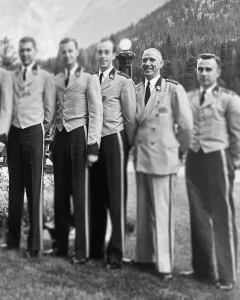
World's best and worst hotels you've stayed in?

Sam the Bellman, at the Fairmont Banff Springs, Canada.

While I was doing the prep for a chat with Jo Laverty on ABC Radio Adelaide this week, I realised that one of my deal breakers for worst hotel is if it’s haunted. If I’m staying in a hotel room on my own, I want to know that I’m the only person – living or dead – in the space. That old line from Hotel California, that ‘you can check out any time, but you can never leave,’ never sat quite right with me.

Some people love a good haunted hotel – and there are plenty of spooky stays around the world. Me? I’m not convinced they’re a good thing.

I don’t need the lights going on and off. My suitcase being moved. The unexplained knocks at the door at all hours of the night.

I’ve stayed at a few hotels in my time, and a surprising number have ghoulish backstories; the long-passed child who still cries in the night a century later, the dedicated doorman who still keeps to his post, years after he’s gone, the woman scorned, who waits, eternally, for lost love in her mansion.

But back to the gold toothbrushes – gold-plated, if you’re going to be pedantic.
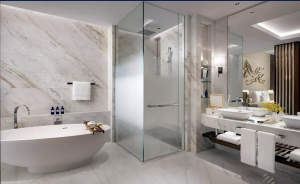
the best and worst hotels

The bathrooms, with their gold-plated toiletries, at Atlantis The Royal, in Dubai

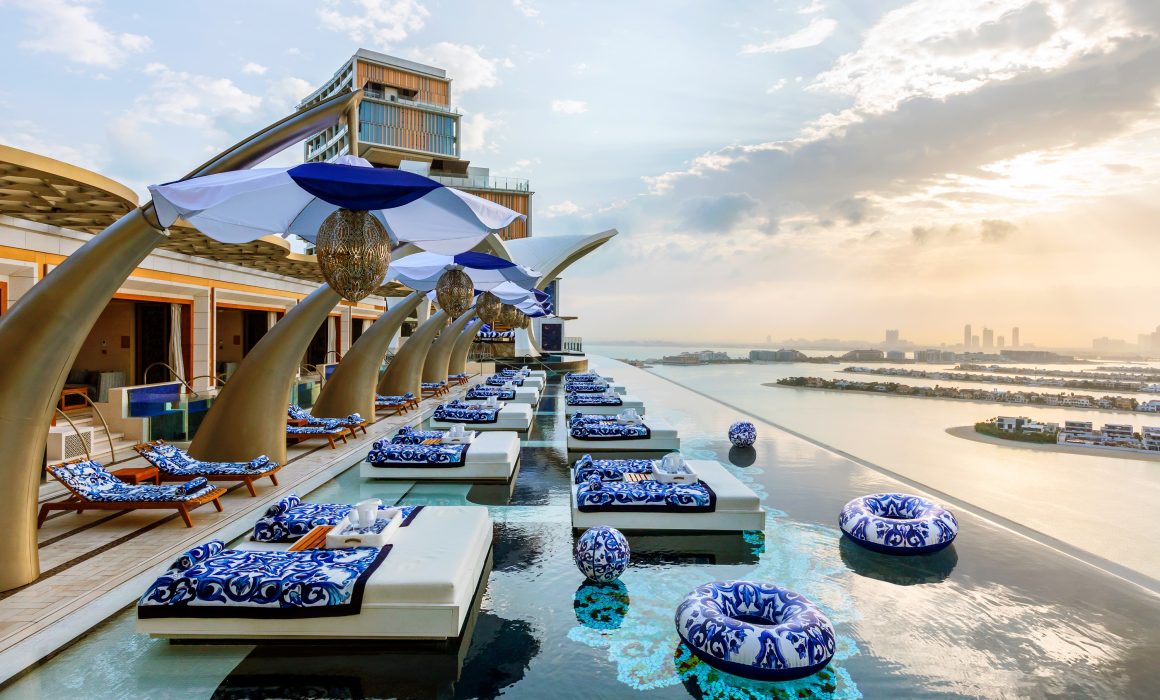
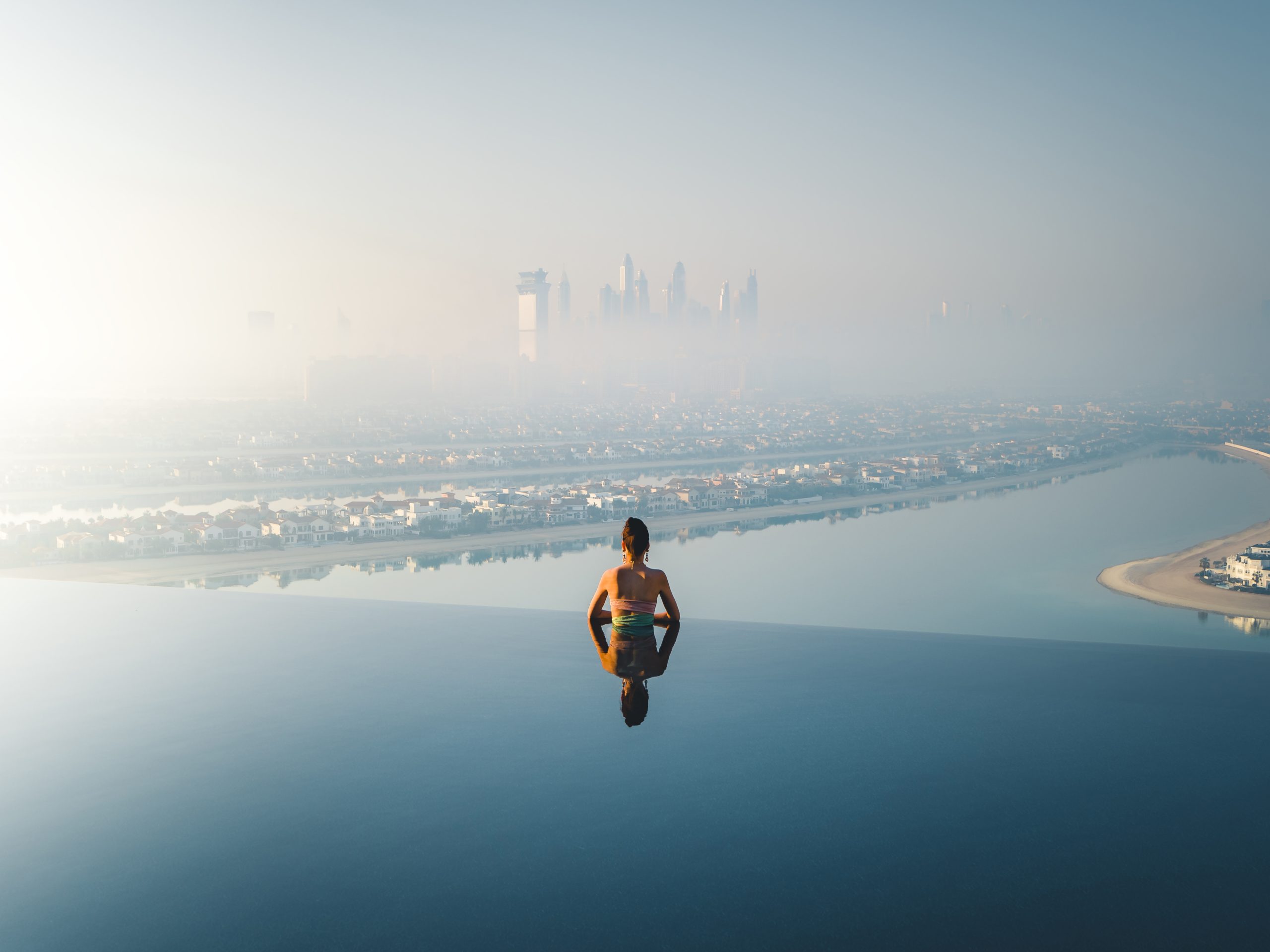
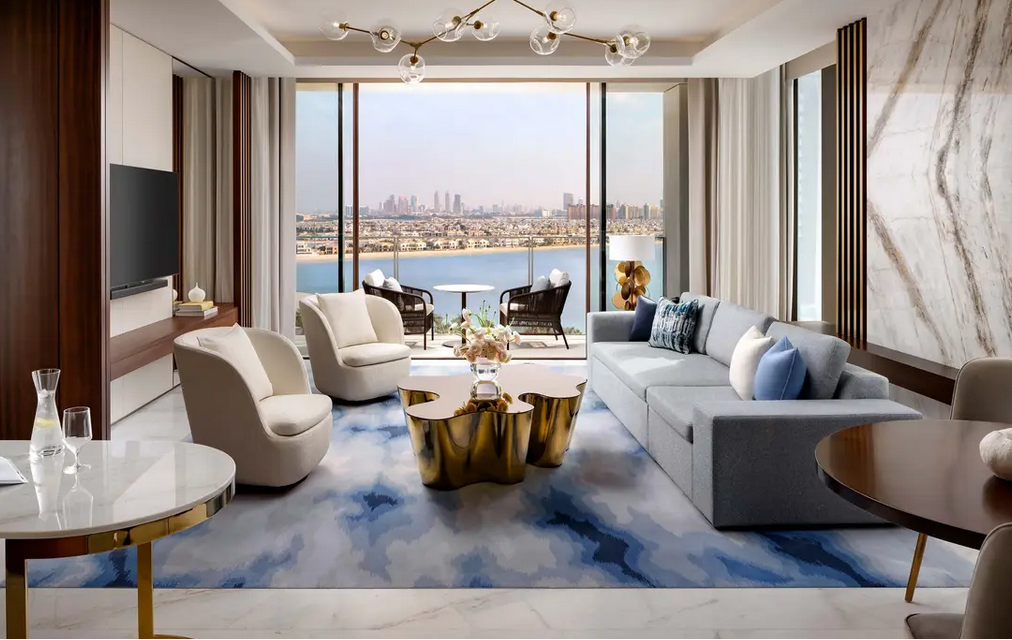
It’s been my joy to review Atlantis The Royal, Dubai, one of the few (self-described) seven-star hotels in the world. (Even though I did turn up to the hotel, with its 90 pools and famed pool clubs, without my swimmers, which were left hanging in a shower cubicle in an Omani oasis. The swimsuit shopping was an experience in itself).

I’ve written about the Atlantis’ The Royal’s fabulous tea, its outrageous number and calibre of restaurants – with more Michelin stars than you could poke a stick at – and yes, it does actually have gold-plated toothbrushes, and razors, and combs, which I’ve since seen flogged on eBay.


On the flip-side, because bad news always sells, the biggest turnoff for a hotel is undoubtedly someone else’s hair. And we’re not talking about a stray strand left lovingly across your pillow after a night of passion. We’re talking short.

Curly.

And left on the soap.

And judging by the reaction of the radio host, Jo, and listeners calling or texting in, there are plenty of offenders. It also makes a very good case for liquid soap in hotel rooms, preferably from a refillable container, to make it even more eco-friendly.

If you’re curious about the seriously haunted hotel in Canada that I described in the radio interview, and want to know where it is, it’s the outrageously spooky Fairmont Banff Springs, which knows all about its ghostly guests, and even celebrates them. I swear, every time I think of walking through that hotel’s corridors, the hair on the back of my neck rises.

What are the best and worst hotels you’ve stayed in, and why were they so good or bad?
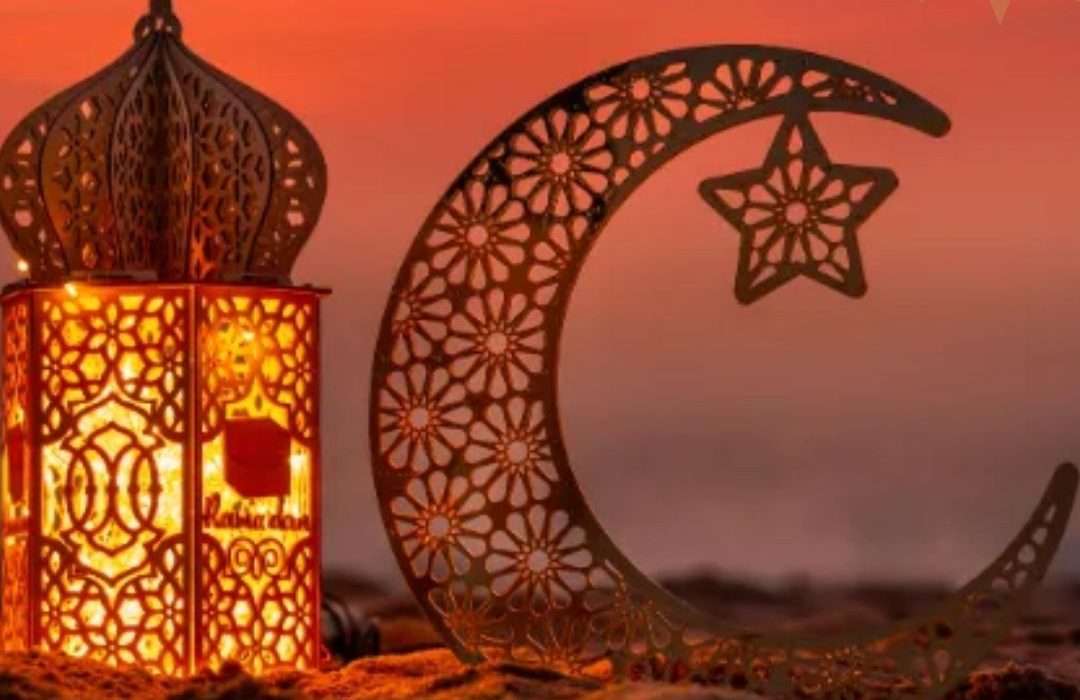
Why Ramadan is a season to travel in the Middle East: Canberra Times

We’re just about at the end of Ramadan – the Islamic month of prayer, fasting and reflection – with Eid forecast for later this week, and my story about best countries to experience Ramadan as a traveller.

It’s a chance to wander back in my mind about nights spent by the Nile, tables laden with small dishes of deliciousness, the ornate lanterns, song and shisha until first light.

Read the story here.

In a piece of dire timing that I’ve come to expect writing about travel in the Middle East, it was published in the Canberra Times and the ACM network of rural newspapers across Australia on the same day the US and Israel started bombing Iran. So while most are trying to flee the Middle East, I tried to convey that (when it’s safe!) far from a season to avoid, for the traveller, Ramadan can breach the divide between tourist and guide, between Muslim and non-Muslim, between them and us.

And, surely, that is needed now, more than ever?

Have you spent Ramadan in a predominantly Muslim country? Any favourites? For those who know me well, my bias toward Egypt is clear (but, as I argue in the piece, well founded). And a friend of mine based in Doha, Qatar, says she finds it’s absolutely the season for networking! While iftar, the meal breaking the fast at sunset is a place to gather and eat, it’s also become a place to do business. Whether doing deals is in the spirit of Ramadan is to be argued, it’s undeniable iftar is a time of togetherness.

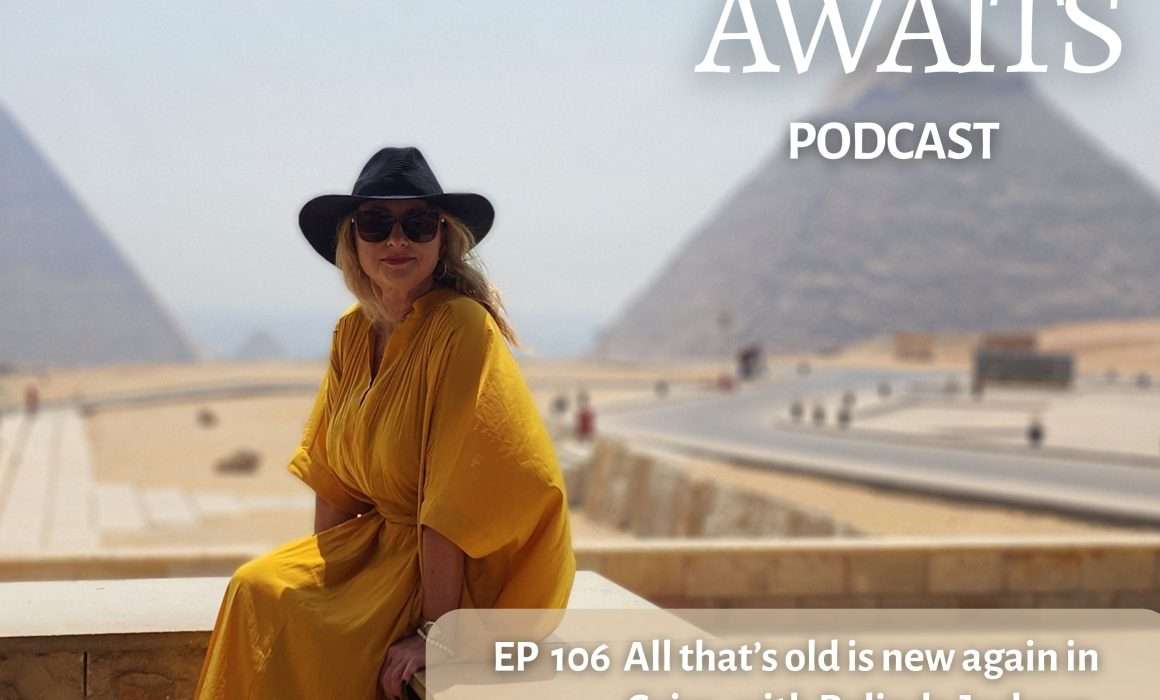
Best things to do in Cairo, how to guarantee a sunny holiday & things left in Ubers: The World Awaits podcast

You’ve booked a holiday to Egypt, but the Grand Egyptian Museum’s (GEM) opening has been postponed…again! “All is not lost!” I say!

Listen on Apple Podcasts https://podcasts.apple.com/us/podcast/ep-106-the-new-cairo-with-belle-jackson-avoiding/id1689931283?i=1000720943277
Spotify https://open.spotify.com/episode/0sBUGYM7YLATaHjYawp5yq?si=b0a843ca0b4a4408
or via the website at https://theworldawaits.au

As podcast host of The World Awaits travel podcast and an Egypt aficionado, I’m the guest this episode, rounding up the best of new things to do in Cairo.

I share my top three things to do in Cairo, including the best Egyptian museums and neighbourhoods, essential experiences and answers the age-old question, is Cairo safe right now? For more of my travels, including some pretty great footage (if I do say so myself) see https://www.instagram.com/global_salsa

And we have a winner of our tropical Thai holiday giveaway of four nights at Avani+ Khao Lak! Thanks to Avani Hotels & Resorts, who generously offered this prize to our listeners to celebrate our 100th episode!

And finally, our tip this week is how to avoid the rainiest places in the world (unless you love a downpour!), and we cover off the craziest things people have left in Ubers.

New hotels, cruises and a Qantas tie-in: why you should holiday in Oman, Australian Financial Review

I first visited Oman way back at the beginning of my crush on the Middle East – at the time, the country was little known to Australians, and to beat an impending group of journalists visiting, two of us opted to go early. Which is how I came to be sitting in a desert, looking at the thermometer touch 50 on our Toyota 4WD.

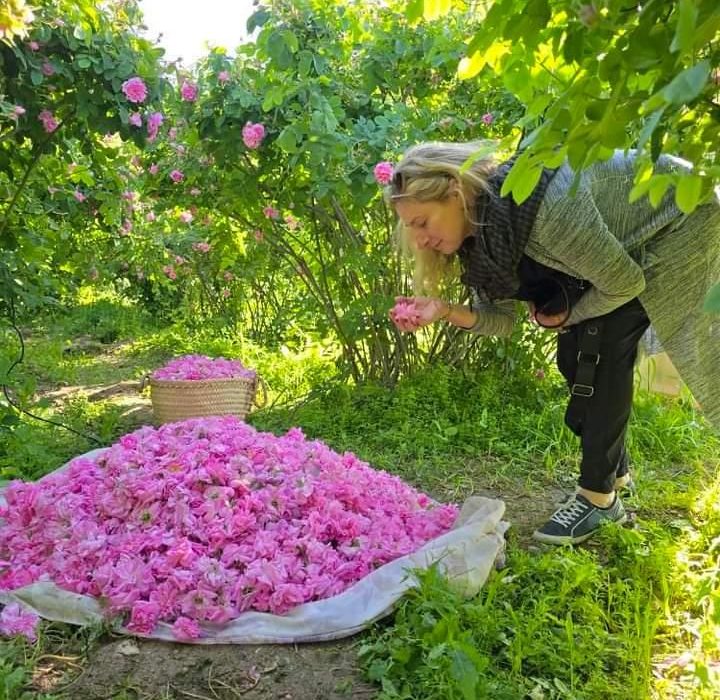
My most recent visit was not in the height of summer – happily, it was in the relative cool of spring, and this time, I was high up in the mountains to watch the country’s brief and beautiful rose harvest.

You can read more about it in this story for the Australian Financial Review, where I get to rave about my love of desert fortresses, rose terraces and frankincense.

I’m heading off to the Middle East again shortly; everyone asks if it’s a good time. The problem with the ME is that when there’s trouble in one area, the whole region is tainted with the same brush. No-one ever avoided London if there was a crisis in Romania (or even, say, Paris). Oman is the standout in the region as stable, peaceful and neutral; I’m always calling it the Switzerland of the Middle East. If that’s not a reason to holiday in Oman…

Click the link below to read my latest story on Oman:

https://www.afr.com/life-and-luxury/travel/new-hotels-cruises-and-a-qantas-tie-in-why-you-should-holiday-in-oman-20250410-p5lqpq

And you can always search back through this blog to read more about this fragrant, happily overlooked jewel of the Middle East.


Shuwa & chai: the best food in Oman

It’s sunset, and I’m in a taxi, getting a masterclass in how to order tea in Oman.

“You don’t even get out of your car to order karak chai,” says Ali, my taxi driver, wiggling two fingers.

Ali’s lesson occurs on a break on our 150-kilometre journey from the mountains to the sea, from the old capital to the new, from Nizwa to Muscat.

A runner emerges from the shop, sees two fingers for two karak, and disappears back inside, to reappear with two tiny takeaway cups.

Redolent of cardamom, cinnamon, ginger and saffron, the tea is short and sweet – the perfect fuel for the taxi driver and the traveller. After Ali pays – because I am a guest first, and a customer second – we pull back onto the smooth, mountain-lined highway, hot tea carefully balanced in hand, for the descent to the turquoise sea.

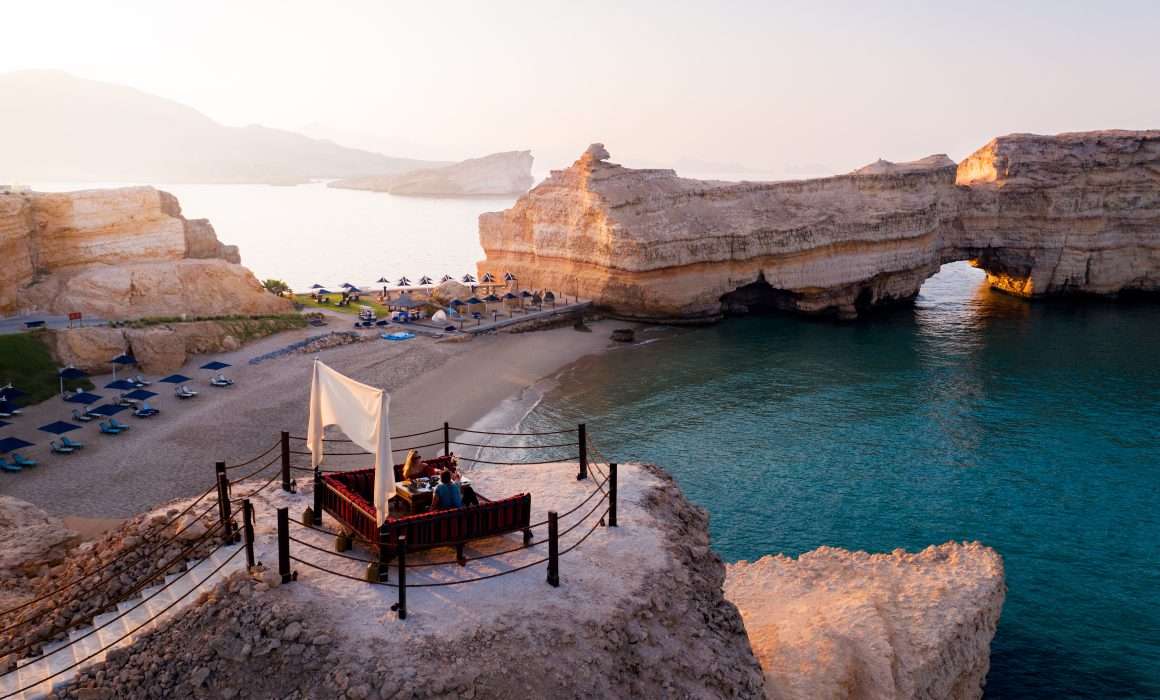
One of my great trips of 2024 was a solo trip back to Oman, the Switzerland of the Middle East. Wealthy, calm, no high-rises, welcoming to all travellers. I’m afraid word is out about the reputation of this lovely little country on the eastern edge of the Arabia Peninsula – afraid because I kind of want it all to myself. Muscat has welcomed a brace of new hotels, and the glamping scene in the deserts are a feature on instagrammers’ feeds, but it hasn’t rolled over to change to suit travellers’ needs. That’s what I love about it. You go to Oman, you know you’re in Oman, not a generic version of a Middle Eastern country. It is genuinely warm and welcoming – saying this as a woman travelling alone in the country, and that doesn’t need to change.

I think that while there’s so much turmoil and tragedy in other parts of the region – the escalation of the Palestinian invasion, conflict in Lebanon and now in Iran – so many people are wary of visiting any country in the Middle East. But when there’s a problem in France, do we stop visiting Greece?

In Oman, I stayed at Anantara Jebel al Akhdar, at the Shangri-La Al-Husn (which is the adults-only hotel within this group, on the outskirts of Muscat and in Nizwa. The Anantara and Shangri-La stays were both hosted.

To read my full story written for the Sydney Morning Herald and The Age’s Traveller section, click here:
https://www.smh.com.au/traveller/inspiration/peaceful-middle-eastern-country-is-underrated-and-understated-like-its-food-20241111-p5kpi7.html

Luxury v rusticity: the two faces of Dubai

All that glitters is (most likely) 24-karat gold in the party town of Dubai, but flip the shiny coin and you’ll discover the traditions and history deep in its Emirati heart.

Some people say Dubai has no soul, that it has no history, but in this piece for Dream by Luxury Escapes magazine, I stay at two Dubai hotels at opposite ends of the spectrum, to show how broad its appeal is.

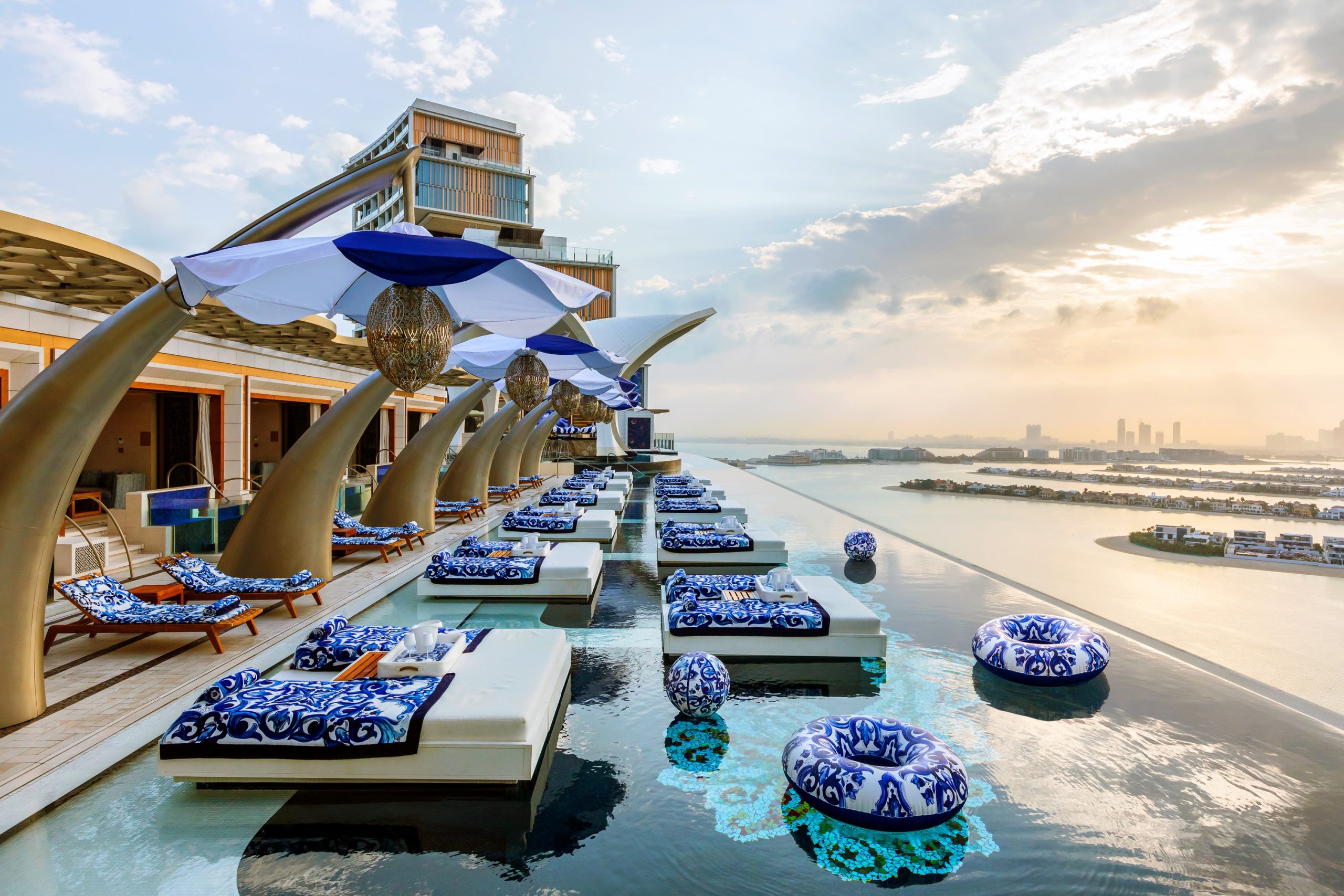
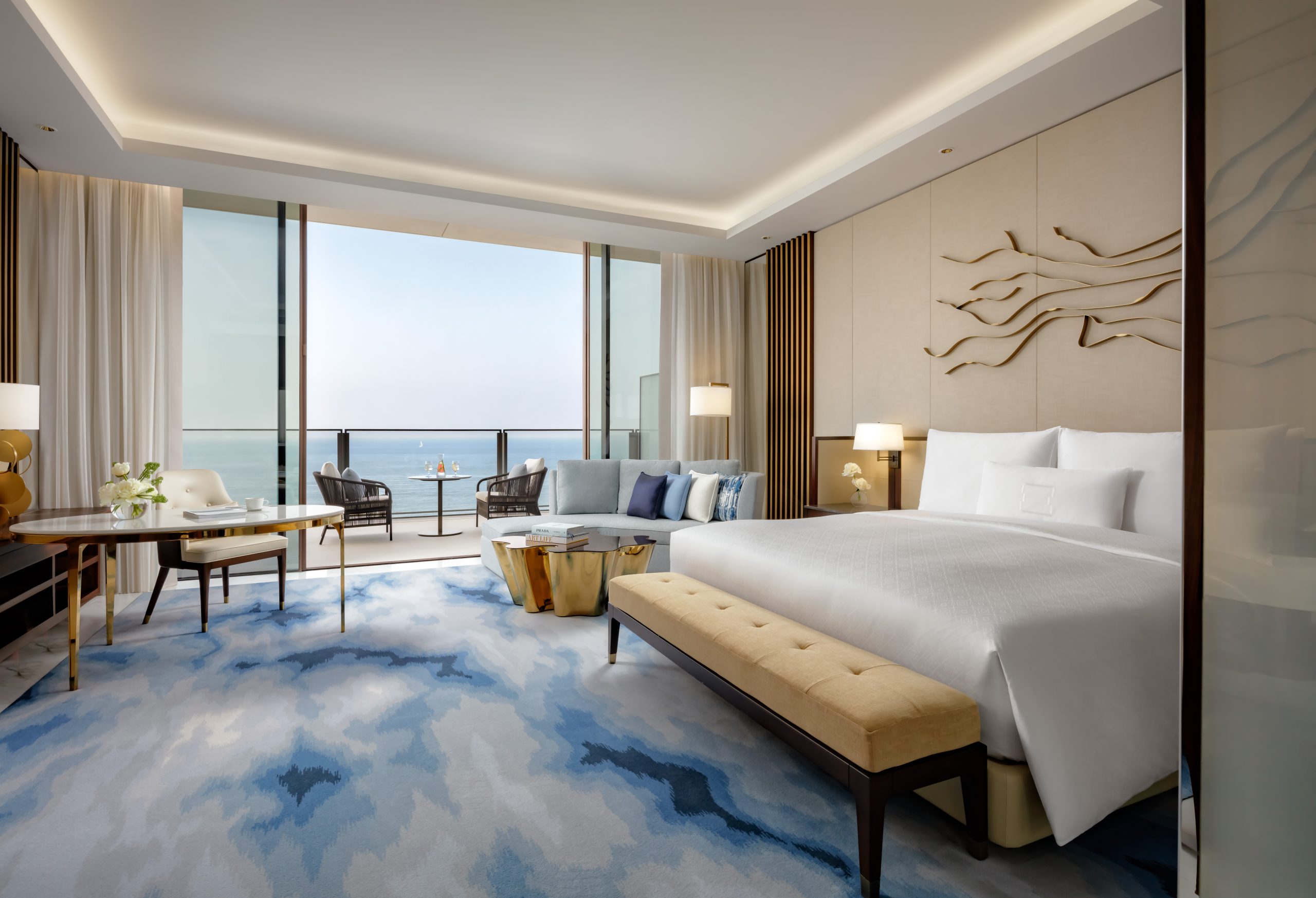
The first hotel is the crazily luxe Atlantis the Royal, the new sister to the postcard-perfect pink Atlantis the Palm. Dress up, folks! This is one fancy hotel. From the sky-high Cloud 22 beach club to the more laid-back Nobu Beach Club on the ground floor, that bleeds into the hotel’s beach, the innumerable restaurants headed by Michelin-starred chefs, the shopping arcade dominated by collaborations with the likes of Dolce&Gabanna and Louis Vuitton. You get the picture; this is serious bling. Costing US$1.6 billion to build the Jenga-like building, stays cost from about $800 in low (summer) season, skyrocketing in the peak winter season, when Dubai is warm and sunny.

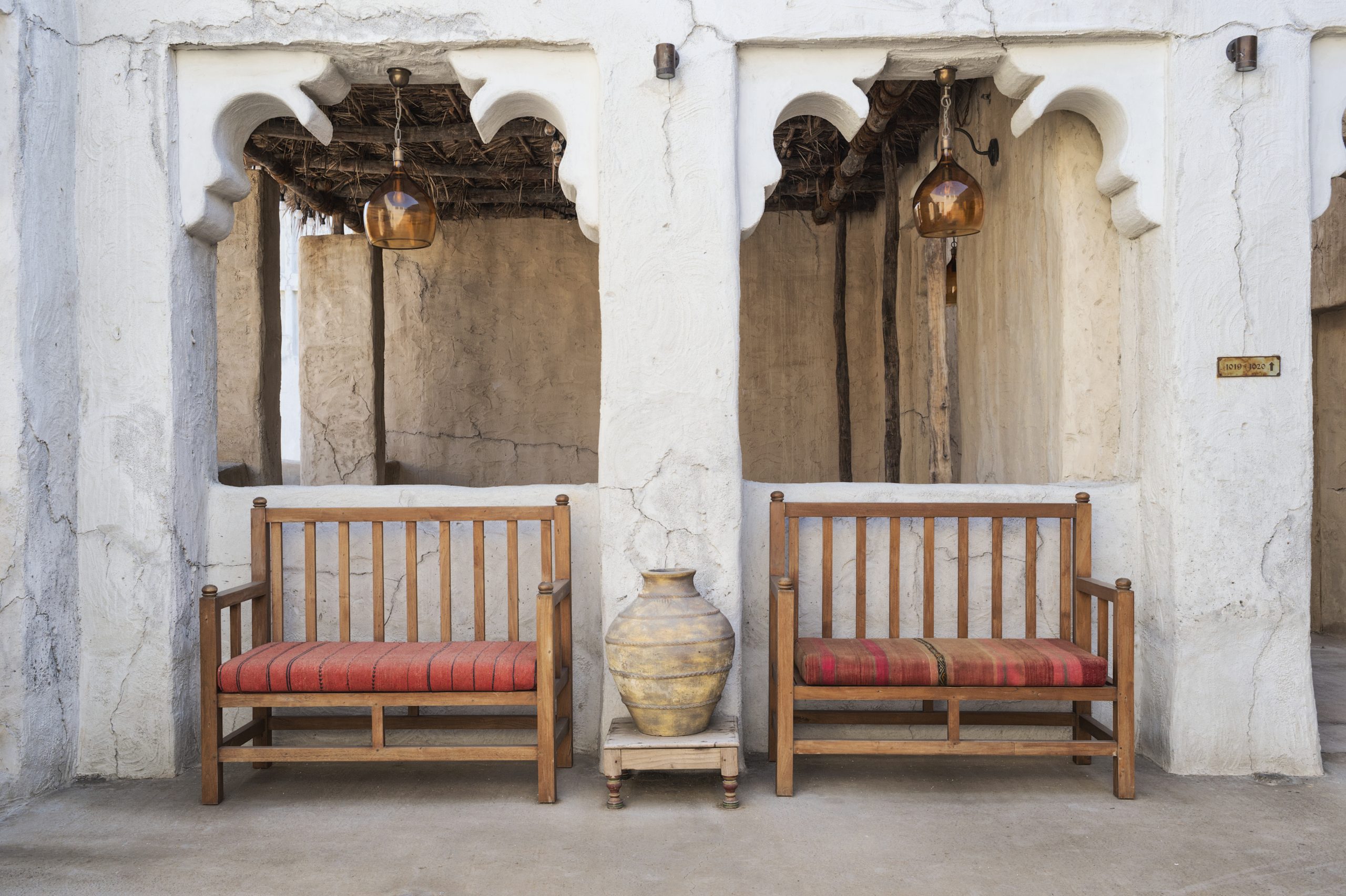
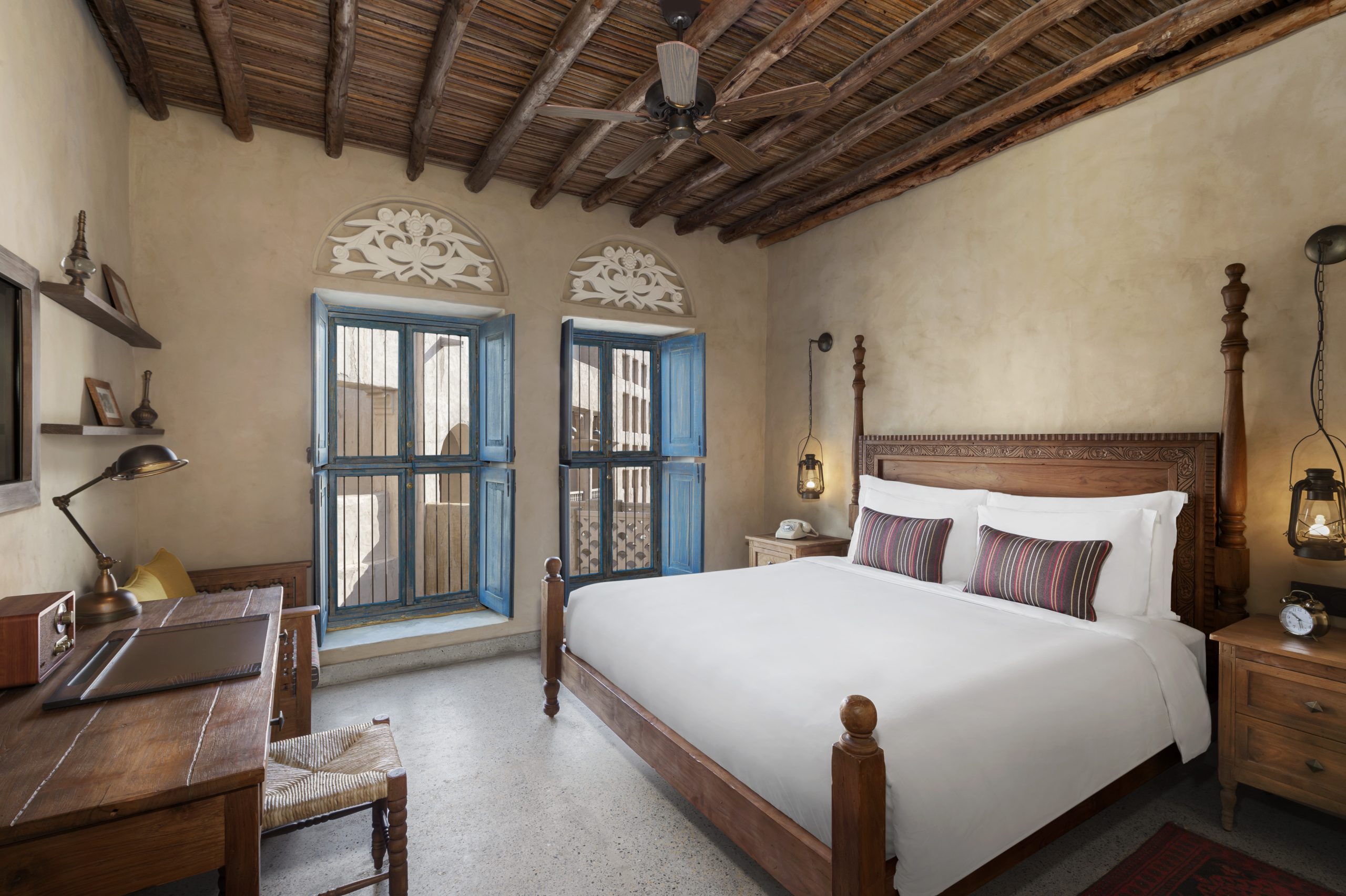
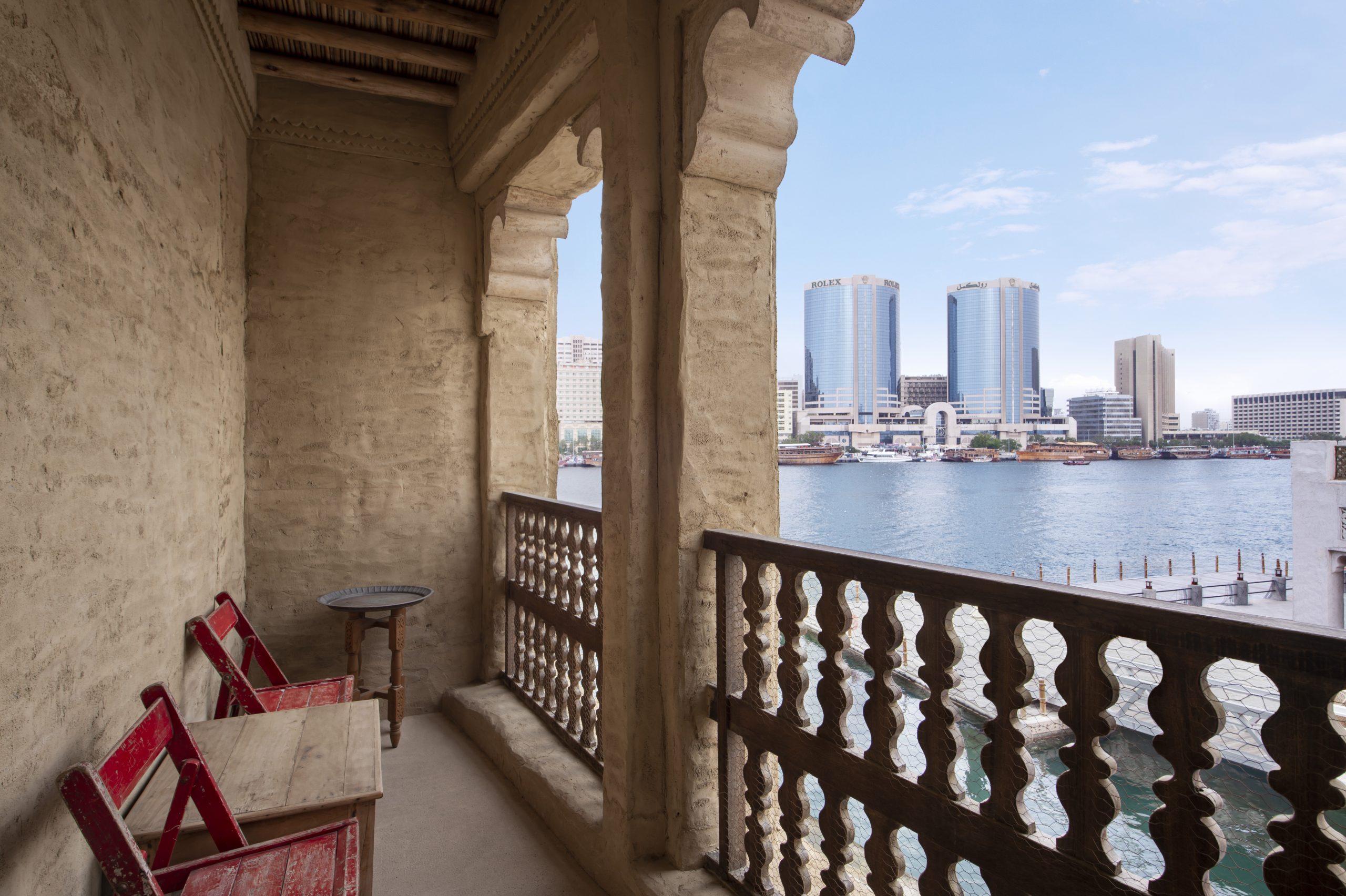
The second hotel is what I’m calling Dubai’s best bargain – the rustic Al Seef Heritage Hotel Dubai, Curio Collection by Hilton. I love its design, with raw beams on the ceilings, the red, black and white Bedouin weaves found throughout the Arabian Gulf, the mudbrick walls and the retro telephones (rotary phones!), lamps and furnishings in the rooms. The rooms are set in bayt (houses) scattered throughout the Al Seef district, a new build designed to emulate a traditional souq. Here, you’ll find plenty of fun souvenir shopping, but also restaurants serving genuine Emirati cuisine – not as easy to find as you’d expect – and plenty of cafes to enjoy a qahwa (coffee) scented with cardamom, as the locals have it. Low season sees stays at this Dubai hotel as little as $100, doubling in the peak cooler months.

To read my story, The Golden Child, in Dream by Luxury Escapes, and jump to page 108.

https://issuu.com/dreambyluxuryescapes/docs/issue6_october2024_master_dream-by-luxury-escapes_

Travelling in Oman: chat with 2GB Sydney radio

I’m recently back from travelling in Oman, the quietest little country in the Middle East. So quiet, you may never have thought of it, or thought to visit.

You’re missing out.

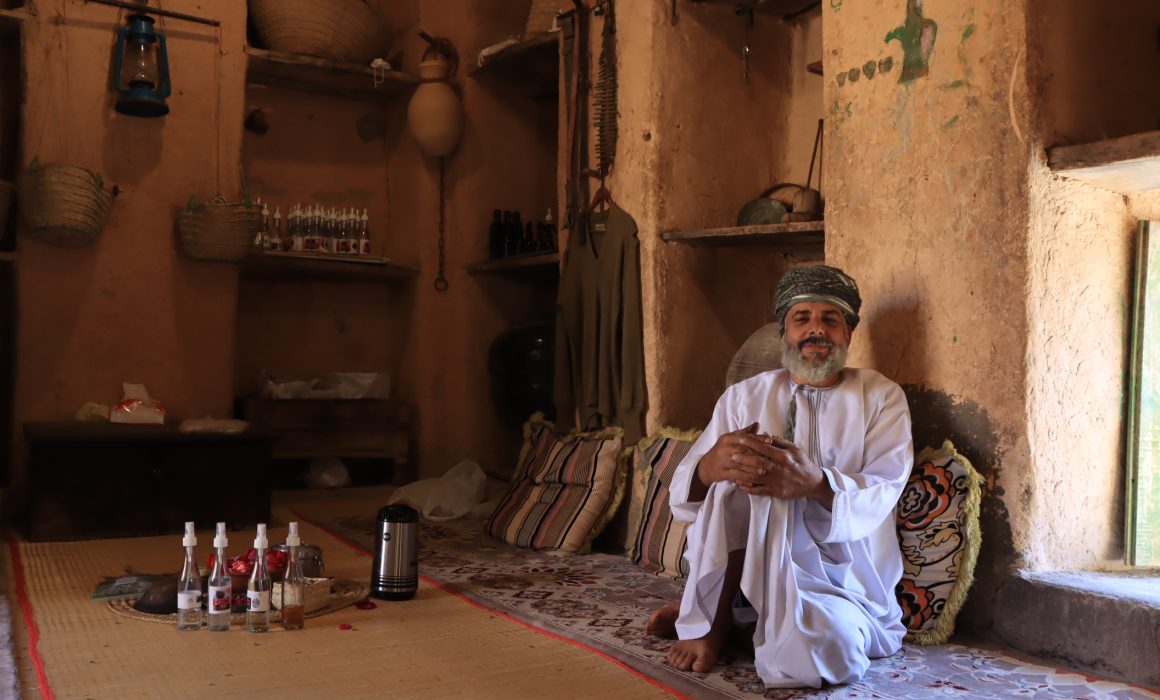
Today, I chatted with radio 2GB Sydney host Michael McLaren about Oman. About walking through the narrow streets of a mudbrick town, where you’ll pass men in the classic Omani dishdasha, a long, white robe topped with a kumar, an embroidered cap worn nowhere else but Oman. It is unmistakably different. It is unmistakably Omani.

Travelling in Oman is easy, safe and the people are welcoming – and this is the most fragrant country, the land of frankincense, myrrh, of cardamon-scented coffee and pure rosewater, which I watched distilled in the hill towns of Al Jabal Al Akhdar.

To listen to my chat with Michael McLaren, click here.

Otherwise, you can tune into my podcast, The World Awaits, where I caught up with co-host Kirstie Bedford on my return, to talk about travelling from Muscat to Nizwa to the mountains and the fjords of the Musandam peninsula as well as the deserts – the lovely, lonely, great sand deserts of Arabia.

2GB interview https://omny.fm/shows/2gb-afternoons/travel-oman

The World Awaits podcast https://open.spotify.com/episode/4yGJB2Gu4axrPJJhWgDlhw

Dubai floods & my eyewitness reports

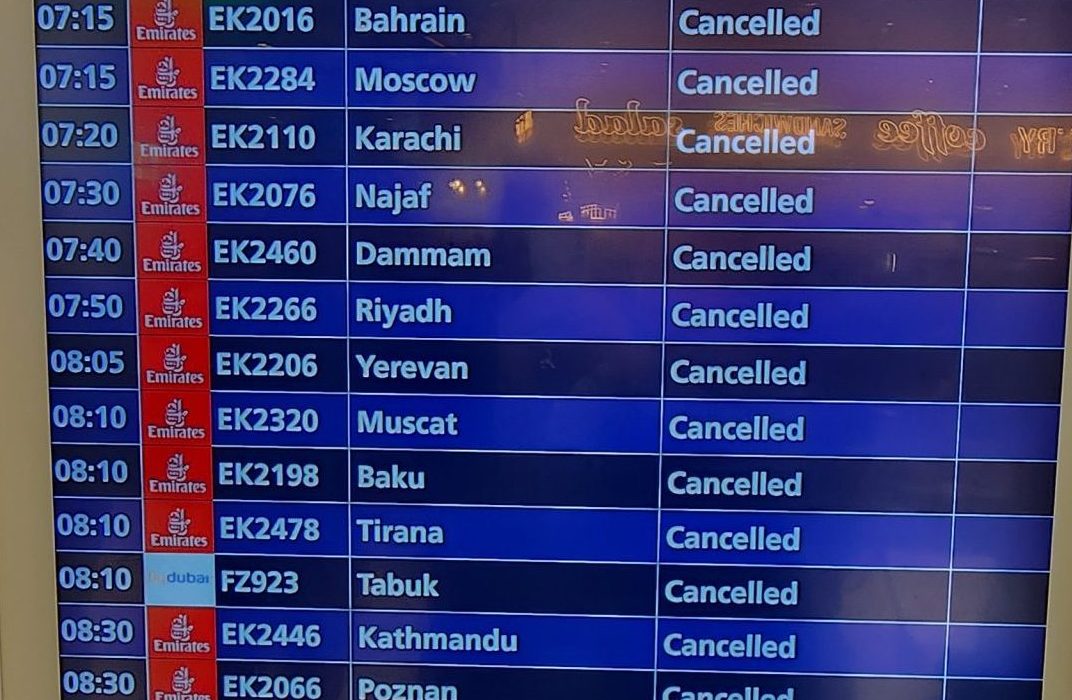
Dubai floods – do those two words even belong together? It’s been a big couple of days, travelling from Melbourne to Muscat via Dubai.

I had 36 hours in Dubai – most of that spent at the airport – as the emirate was smashed by tumultuous rain and ensuing floods, which I saw first hand when I left the airport on a long layover.

I thought I would be the only one checking into my hotel barefoot, but most of the city is running around with their shoes off, as the water is so deep on the streets.

Dubai residents were told to stay at home, and we were not permitted to leave the airport, as the roads have been destroyed, so there was no way to get anywhere, should we choose to leave.

After 18 hours waiting for flights that were constantly cancelled, I slapped on the red lip for a live TV cross with  Joe O’Brien of ACB TV News channel  @abcnews_au while sitting on the floor of the business class lounge at @flydubai in Terminal 2.

And sending huge thanks to Hind and the rest of the team at the lounge for letting me in for a quiet place to talk to Joe, and for maintaining their calm even when passengers turned abusive.

Here’s another report for the Sydney Morning Herald, with all my footage of the wild ride from my hotel, Al Seef, back to the airport.

My slices of heaven: travel in Turkey & Egypt

Nisanyan was a stone house in rural Turkey, forgotten or ignored for generations and demoted to a lowly stable before its reincarnation into a small, family hotel.

Now, the hotel is its own village outside Selçuk; a series of hand made, whitewash-and-stone cottages, inns and villas along the tree-lined laneway, which I visited on a women’s-only expedition with @intrepidtravel

I wrote about the hotel recently for a cover story in the Sydney Morning Herald and The Age newspapers, where we were asked to describe our own idea of heaven.

The nights here are cool and silent, save the toll of a goat’s bell and the final call to prayer from a mosque down in the valley. In my cottage, deep red rugs are thrown over stone floors, handstitched coverlets and cushions adorn well-worn armchairs and my daybed, where I languish, the’ bells and the muezzin’s voice carried to me on the jasmine-scented night air.

Why heaven? Turkish breakfasts are the best on earth – here, the tables are laden with locally pressed olive oil, deep red tomatoes, fresh eggs, honey, handmade cheeses.
—-

I also have an affinity with oases – their sense of remoteness and salvation for the traveller.

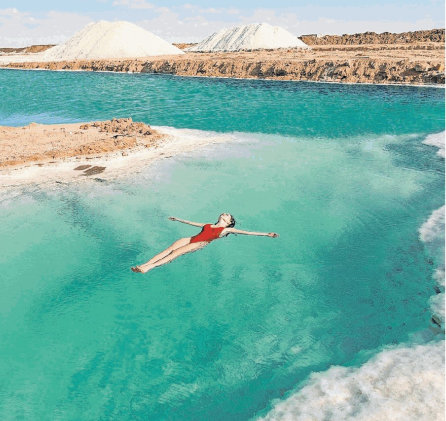
It may be remote – on the edge of the Great Sand Sea and just 50km from the Egypt-Libya border – but Siwa’s log book of visitors cannot fail to impress; top of the list is Alexander the Great, who came to consult the Oracle of Amun in 332AD as part of his campaign to rule this rich land.

A mudbrick Bedouin town, it sits on the edge of the Great Sand Sea. It is filled with palm gardens, and surrounded by perfectly clear salt lakes, while freshwater springs bubble up from the hot sands. The local Bedouin culture is very different from the rest of Egypt, with the warmth and hospitality that befits an oasis town.

It is my slice of heaven on earth.

On the flip side, my idea of HELL ON EARTH is The Wall in Bethlehem, Palestine. Hot, dusty, fume-filled streets are dominated by the paint-spattered topped by watchtowers, which epitomises everything that is broken in the current conflict.

Also, anywhere you witness injustice to people, animals or the environment. The street dogs of Cairo break my heart. As does the dumping of chemical waste on the Israel-Palestinian border.  And the plein-air butchers’ markets of Kashmir, where the fly-to-customer ratio is inordinately high.

Food of Saudi Arabia: Gourmet Traveller

Hot off the press, my travel feature in this month’s Gourmet Traveller magazine tells of the food of Saudi Arabia, and the landscapes that created it. Focusing on the sublime oasis of AlUla, in northern Saudi Arabia.

It’s mid-morning, and our camels are resting in the shade of a stone pillar. It’s a gharameel, the remnant of an ancient mountain, eroded by time, on this desert plain in north-western Saudi Arabia.

Like the camels, I’m also resting, but on long, embroidered cushions atop richly coloured rugs, drinking sweet mint tea as my mount is saddled.

To one side of the cameleer’s camp, the cook is browning cuts of tender lamb in an enormous stockpot, and I watch as he creates the classic Saudi lamb-and-rice dish, kabsa. Earthy cumin, fragrant orange blossom water and citrusy coriander are all added to the browning meat, and what looks like turmeric, for colour.

Do I detect a flicker of disdain across the cook’s face?

“It’s not turmeric,” he corrects me. “That’s saffron.” Of course it’s saffron – here in the desert, with a kitchen on the back of a truck, a couple of grumbling camels nearby. Using the most expensive spice is a reminder that, while we dine alone in a remote desert, we are still in one of the world’s wealthiest countries. A world away from clichéd Arabian bling, this is desert luxury.

On newsstands now, if you like a delicious read!


Global Salsa

Well, you’ve scrolled this far. What do you think? Drop me a line, I’d love to hear from you.

Privacy Settings
We use cookies to enhance your experience while using our website. If you are using our Services via a browser you can restrict, block or remove cookies through your web browser settings. We also use content and scripts from third parties that may use tracking technologies. You can selectively provide your consent below to allow such third party embeds. For complete information about the cookies we use, data we collect and how we process them, please check our Privacy Policy
Youtube
Consent to display content from - Youtube
Vimeo
Consent to display content from - Vimeo
Google Maps
Consent to display content from - Google