I’m a journalist, travel writer, editor and copywriter based in Melbourne, Australia. I write pacy travel features, edit edifying websites and fashion flamboyant copy. My articles and photographs have appeared in publications worldwide, from inflight to interior design: I’ve visited every continent, and have lived in three. Want to work together? Drop me a line… 

Follow


Connect the dots: art in the Tiwi Islands, Northern Territory, Australia

Bathurst Island Lodge.
Photo: Belinda Jackson

Crocodiles and canvas make for a potent mix in the Tiwi Islands.

The speed boat tears down the broad brown river, and I feel 1000 non-human eyes watching us from the
primordial mangrove-lined banks.

“Can you smell the flying fox?” asks Kathy. It’s the first time I’ve been asked the question, and it distracts me from the earlier statement that a sneaky, opportunistic little croc lurks around the boat ramp where we boarded.

Thick and shining, the river cuts deep into Bathurst Island. Together with its much larger neighbour, Melville Island, and nine little uninhabited islands to the south, they make up the Tiwi Islands 15-minute flight or 2 1/2-hour cruise north of Darwin. Once, they were part of the landbridge that linked us to the
super-continent, Gondwanaland. Now, they’re broken and fragmented: a giant’s lonely, lovely footprint in the Timor Sea.

Melville Island airport.
Photo: Belinda Jackson

The Tiwis are but a blip on the tourism radar. Until now, barramundi hunters and football selectors have been pretty hushhush about their fertile hunting grounds, but a new culture tour has lured our party of five onto the islands. We fly over from Darwin in a Cessna 402C: the plane is so small that we all get a window seat, and you can count the number of seats on two hands, pilot included.

From above, the land is low, flat and surprisingly large; Melville is our largest island after Tasmania. The airport, however, is not large. But the first thing I see is a sign that the Essendon Football Club proudly supports the Tiwi Bombers. It’s unsurprising, given Kathy’s brother, Michael Long, is a Bombers’ legend, while her son, Cyril Rioli, is a Hawthorn midfielder.

The second most striking feature of the airport is the small concrete block that is the main building. Actually, it’s the only building. It is painted in wildly beautiful yellow, black and red Indigenous designs that sets the tone for the next few days: the Tiwi art scene is strong and all pervasive. The whole building is about the size of a small public loo. No ticket collectors, no customs officials, no taxi stand. Just the humidity and silence, broken only by the arrival of our minibus and the
departure of our plane. Welcome!

Art is everywhere, on the public building walls and in the burial grounds, where carved ironwood totems hold the spirits of those who have died.

Traditional art is even worn in the supermarket, where the older Tiwi women sport rainbow-bright prints designed and woven by the town’s “spiderwomen”, a dwindling number of weavers and printers who now find themselves head-tohead with cheap Chinese imports.

Woodcarver and artist Mario Munkara,
Tiwi Designs.
Photo: Belinda Jackson

A quick drive through the town of
Wurrumiyanga (called Nguiu until 2010) reveals an orderly society. There’s Meals on Wheels, a small hospital, Asian takeaway, school and the social club, where all the island gossip is exchanged and the only public place you can buy a drink. There’s a pool for croc-free swimming, opened by Olympic swimmer Leisel Jones and her mum, a church and Ngaruwanajirri, the Keeping House, a “bush cathedral” with a curved ceiling covered in a glorious riot of the Tiwis’ distinctive, geometric mulypinyini pwanga (lines and dots).

This art hub is where disabled artists meet to sculpt, paint, print and sell their wares: carvings, batik silk scarves, lino block prints and paintings using natural ochres. This morning, a group of men sit outside, carving elegant, long-necked birds from dense ironwood which they’ll then paint and sell to keep theplace going, essential now its limited funding has been cut.

“We started this program 20 years ago, but we’ve been unfunded the last three years, so I’m now a volunteer,” says John Naden, a former art teacher who runs The Keeping House with his wife Joy, also a dedicated teacher. There’s a
small display room and the art is priced cheaply to keep it turning over and to keep the artists busy. After all, who wants to be a starving artist, recognised only in death? The prized artworks are sent out to be celebrated across Australia and abroad.

Nearby, the town’s art stalwart, Tiwi Designs, is now in its fourth decade. When we enter, we’re ushered past racks of painted canvases and stacks of sculptured birds, past the silk printing tables and woven baskets, and out the back to a small
fire, which is smoking with green eucalyptus leaves.

“Obviously, you ladies are from the mainland. We don’t know what spirits you bring,” explains Vivian Warlapinni Kerinauia delicately, waving thick smoke over us with a leafy branch. A group of men and women dance around the smoking fire, telling of their totems or dreaming group of crocodile, shark, warship, turtle or buffalo. The men jump and twist, the women are more subtle, elderly hands graceful and evocative.

“Now you have a good spirit,” says Vivian. “It will guide you, give you an open mind.”

Artist Alan John Kerinaiua at Tiwi Designs Photo: Belinda Jackson

After we are cleansed by smoke, the artists return to their tasks. Shy and calm, Alan John Kerinaiua sits back down by his large canvas and picks up his fine brushes, his plastic
pots the trinity of the Tiwi palette – red, white and yellow ochre mixed with PVC glue, a fixer for flexibility and longevity.

The tour’s pace is slow, there is no dashing in and out. We drink tea and eat hot, fresh damper, graze from spectacular lunch boxes, chat with the artists and watch Tiwi Designs
manager Steve Anderson and gentle Vivian handprint a spectacular, nine-metre fall of gold
silk for a Byron Bay client. After lunch, it’s our turn, and Vivian and I imprint a drop of red cotton with a beautiful print by senior artist Jock Puautjimi. It’s my souvenir, it’s my new heartthrob.


There’s plenty to love: Tiwi art is an absolute crowd pleaser, whether you like wood carvings, sculpture, hand-printed fabric, ochre and acrylic on canvas, or tunga, delicately woven bark baskets. Pinned up on the walls are photos of famous admirers of Tiwi style, including Whoopi Goldberg and Boy George, while the art world’s admirers include the British Museum, which hangs several of its most celebrated artists, such as Jean Baptiste Apuatimi, who worked here for many years before she died in 2013.

It’s another short plane hop to the larger Melville Island, and once again, the Tiwis’ inherent artistic nature greets you at another extremely modest airport.

Photo: Belinda Jackson

The men’s and women’s loos are hand-painted in the local style: ladies with their dilly bags, men with their spears. At Jilamara Arts & Craft Association in Milikapiti, the happiest man on Melville Island, Brian Farmer, endures and answers our questions with a massive smile through his grey beard, felt cowboy hat stuffed firmly on his head.

“Every artist tells a story passed on by our forefathers,” he says. ‘‘Their country, the stars, the universe … You know the stars
guide us when we’re in the dugout canoe. We follow them back to our campsites. It’s all written there,” says Brian, who also runs a weekly school program about the dreaming, passing it on to the local schoolchildren.

“If you lose that, you lose your identity,” he says.

The light, airy gallery is full of weavings and bark paintings, canvases including one of the Tiwis’ best
known artists, Kitty Kantilla (Kutuwalumi Purawarrumpatu). Each work is stamped with the artist’s name, their skin and their dance – where they fit in close-knit society. For every item of artwork sold at the Tiwis’ art centres, the bulk of the money is returned to the artist and the remainder is put back into the operations of the Tiwi Art Network.

Over lunch at the nearby Melville Island Fishing Lodge, there are croc jokes a-plenty. A Johnny Horton fan in Milikapiti has named a local croc Bismarck, and Bismarck is ‘‘into dog control’’.

There are plans to launch a new tour that takes you to the islands’ freshwater pools (where you can definitely swim without crocs) or a spot of spear fishing (where you’ve got to be ‘‘cautious,’’ says local master of the understatement, Junior Guy). The big fellas are respected
for their cunning and their sheer power.

On the journey home, I unwrap my printed fabric from Tiwi Designs and a card falls into my lap. It is a stencil of a crocodile. Simple, sparse lines convey his lethal, sinuous curve. In both nature and danger, there is beauty.

The art is in capturing it.

FIVE OTHER ABORIGINAL ART TOURS
1  ROCK ART Kakadu-born Sab Lord and his knowledgeable indigenous team take you into Gunbalaya,  Arnhem Land, to view its ancient rock art at Injalak Hill and the rich Injalak Arts & Crafts centre. Day tours from Darwin cost $270 adults, $195 children, (08) 8948 2200, lords-safaris.com.2  SOUTHERN WONDER Guests staying at Longitude 131, overlooking Uluru, can take a rare, exclusive Ernabella Arts Tour into the APY lands of northern South Australia. The full-day tour costs $1000 per person, maximum 4 guests, (02) 9918 4355,
longitude131.com.au.
3  GO BUSH NSW’s Kur-ring-gai Chase National Park has more than 1000 Aboriginal Heritage sites. Visit them by land and water, with a 2.5 scenic cruise, a Welcome to Country ceremony and bush-tucker inspired lunch, $199 adults, $149 children, (02) 9099 4249, sydneyoutback.com.au.
4  GALLERY OF STARS View magnificent rock art galleries on tiny islands off the Kimberley coastline on the Kimberley Ultimate tour on the luxury True North
cruise, from $17,995, (08) 91921 829, northstarcruises.com.au.
5  BARK ART Journey deep into Maningrida, in Arnhem Land, to see woven sculpture, painted hollow logs and bark paintings. Costs from $789 a person, based on 4 sharing, including flight from Darwin, (08) 8985 3266, artconnections.com.au.

TRIP NOTES
MORE INFORMATION travelnt.com
GETTING AROUND The
three-day Ultimate Tiwi Island Tour runs until 11 September 2015. Costs from $2425 a person, including SeaLink ferry transfers or flights from Darwin, scenic flight to Melville Island, accommodation, meals and non-alcoholic beverages and all tour activities (art workshop with local artists, walking tour, wilderness adventure cruise, fishing options, turtle tour, and a museum and art centre tour). A three night/four day Tiwi Island tour costs from $3225 per person. Day trips to the island run Thursdays and Fridays until December 1, cost $319, Phone 1300 130
679; see sealinknt.com.au.

VISITING ART CENTRES Jilamara
Arts & Crafts Association is in Milikapiti, Melville Island, see jilamara.com. Tiwi Designs is in Wurrimiyanga, Bathurst Island, see tiwidesigns.com, a short distance from Ngaruwanajirri (‘helping one another’) at The Keeping House.

Belinda Jackson was a guest of Sealink NT and Northern Territory Tourism. 

This feature was published in Sydney’s Sun-Herald newspaper’s Traveller section.

Myanmar, floating whiskey bars and Australia’s cutest animal, officially: Takeoff travel news

TRENDS: Discover secrets of Myanmar

Myanmar has set our travel radars
afire since Lonely Planet named it in its top 10 must-visit destinations
back in 2012, when Australia lifted its sanctions against the country.
Now, Trafalgar becomes the first of the larger group tour companies
offering coach tours to enter the market in 2016. Its new 11-day Secrets of Myanmar tour traverses the well regarded sights of Yangon,

Inle Lake and Bagan and goes off
track to include a cooking class and local markets, visiting some of
Myanmar’s ethnic minorities, the Pa-O, Danu and Intha people. Before Trafalgar’s entry, the tourism market

had been dominated by smaller group
operators including Peregrine, which has been running tours since 2002,
World Expeditions and budget-minded Intrepid Travel. Travel pundits say
Myanmar’s infrastructure is still weak, with poor roads, a lack of ATMs
and poor communications (ie shaky Wi-Fi), though the big hotel groups
are moving in. 

Accor plans to open four new hotels in a country regarded as one of south-east Asia’s most mysterious and most beautiful.
Trafalgar’s 11-day Secrets of
Myanmar guided holiday costs from $4875, excluding airfares, with
departures between January 27 and December 7, 2016. Phone 1300 797 010,
see trafalgar.com.  
 

EXPLORE: Go with the flow

Fossick for gold, unearth a thunder
egg from an ancient lava flow or spot the rare Gouldian finch on a new
self-drive route in Far North Queensland. The new Lava Tubes, Gems and
Gorges Trail is an offshoot of the Savannah Way, which links Cairns and
Broome in an epic 3700-kilometre drive across three states and five
World Heritage sites. The new trail is a 300-kilometre circuit from
Minnamoolka to Conjuboy, inland from Queensland’s Mission Beach. En
route, take a river cruise down Cobbold Gorge, hunt for topaz at
O’Briens Creek and walk down the world’s longest lava tubes – caves
created by lava flows – at Undara Volcanic National Park. Thirsty work?
Pull in to Australia’s smallest bar at Lynd Junction to recoup. Also
check out the nearby Kirrama Range Road, which was mapped late last
year. Find the trails at visitor information centres or see
drivenorthqueensland.com.au.
 

DRINKS: Dram roll

 If you thought whisky and cruising
were uneasy bedfellows, think again as you order up at Magnums, the
first whisky bar on the Princess Cruises line. Staff at the new bar, on
board the locally based Dawn Princess, will lead you through 63 fine
whiskies, from Tasmania to Japan to the US and Scotland. You’ll find
single malts from New Zealand, American bourbons and even a Melbourne
offering. Try a nip or order the flight of the day, featuring three
different whiskies. The cruise line says the spirit is hot, and
recommends a dram after dinner or on a laidback sea day. Cruises on the
Dawn Princess include the 13-night round trip from Sydney

to New Caledonia and Vanuatu from $1399 a person, twin share, departing January 16, 2015. Phone 132 488, see princess.com

Silver fox Roy Billing.

TOUR: NZ fox trot for boomers

On your marks boomers. Your
adventure trip to New Zealand awaits. The new Silver Foxes and Foxettes
tour is aimed at baby boomers who want to live for the moment and
#saysorrylater. Check out the social media campaign, which encourages
you to SKI (Spend the Kids’ Inheritance). The ringleader of the new AAT Kings tour is actor Roy Billing (pictured), a proud Kiwi, Underbelly

and Jack Irish star and 2015
recipient of the Medal of the Order of Australia. Billing helps mix New
Zealand’s heady beauty and fine tables with a dash of jet boating or
heli-wine tasting. The 10-day tours start in Billing’s hometown,
Auckland, then on to Rotorua for a hangi feast before

heading to the South Island’s
Christchurch, Franz Josef Glacier and Queenstown. Tours depart from
September 13, 2015 to May 22, 2016 and cost from $3795 a person, twin
share. Phone 131 415, see
helloworld.com.au/instore/silverfox.
 

GEAR: Stop the noise

So your carry-on bag already bulges
with laptop, camera, work gear or perhaps the accoutrements required by a
junior traveller by your side. Who has room for big headphones?
Fortunately, sound masters Bose have the answer, with their QC20 in-ear
headphones. Fully charged, these little babies offer 16 hours of noise
cancellation, and act as regular earphones even when uncharged.
The incredibly effective “noise
cancelling” mode will block out even your neighbour’s droning, while
“aware” lets you pick up traffic noise (handy when you’re on the move)
without having to corkscrew them tightly into your ears. They also
feature an inline mike and volume control. First released in 2013, the
new models come in black or white, tailored for iPhones/iPads/iPods,
Samsung Galaxy or Android devices. Includes a tidy zipup bag and earbuds in three sizes. Quiet Comfort 20 acoustic noise-cancelling headphones cost $399. See
bose.com.au.  
 

KIDS: Wild life

Australia’s cutest animal, Archer the koala.

July birthday kids will gain free
entry to Featherdale Wildlife Park, in western Sydney, which also
celebrates its birthday this month. The park is home to Archer the
Koala, officially the cutest animal in Australia, thanks to a recent
poll. Archer, who was hand-raised by

Featherdale staff, beat competition
from around Australia including gang-gang cockatoos and quokkas, and
details his life on his Facebook page @ArcherTheKoala. Featherdale includes a petting zoo
with baby lambs, goats and pigs, as well as Australia’s own baby
bilbies, wallabies, dingoes and wombats, while the fearless can sidle up
to snakes or tangle with a Tassie devil.

  
Open 9am to 5pm daily, 217 Kildare
Road, Doonside. Adults $29.50, children (3-15 years) $16, families from
$56 (1 adult, 2 kids). Phone (02) 9622 1644, see featherdale.com.au/birthday

 The Takeoff travel news column by Belinda Jackson is published every Sunday in Sydney’s Sun-Herald newspaper’s Traveller section.   

Cruise with Margaret Atwood, train bar in Melbourne, discover Aboriginal Sydney: Takeoff travel news

CRUISE: The Arctic explorer’s tale

Fans of The Handmaid’s Tale, The
Robber Bride and a dozen other novels, as well as short fiction, poetry
and children’s books, can sail through the Northwest Passage with the
celebrated Canadian author Margaret Atwood.
The cruise departs Kugluktuk, in
Nunavut, Canada, following explorers’ footsteps to one the northernmost
towns in the world, Qaannaq, Greenland. 

Other (non-human) guests include
polar bears and possibly the “unicorn of the sea”, the narwhal, a
tusked whale that lives in the Arctic waters. Highlights including
visiting Inuit communities, iceberg spotting and crossing the Arctic
Circle. “And it’s always a delight to see
the more foolhardy among us take a plunge into subzero Arctic waters,”
says Atwood, a dedicated conservationist and twitcher. This is her ninth
journey with Adventure Canada. The 17-day cruise departs September 5 and costs from $US8995 ($11,650) a person.
See
adventurecanada.com.


FOOD: Top spot for trainspotters

Love trains? Love Melbourne? Then
you’ll adore one of the city’s newest bars, in a Hitachi train carriage
perched atop a city block in the innercity suburb of Collingwood.
Easey’s dishes up burgers and coffee on the ground floor, but climb up
to the fifth floor into the train carriage and it’s bottoms up with
skyline views. The new burger bar is one of the few to have Melbourne
Bitter on tap, fresh from its neighbour, Carlton United Brewery. It also
serves local craft brews including

Holgate, from Woodend, and Mountain
Goat, brewed in nearby Richmond, as well as Victorian spirits such as
Melbourne Gin Company. The carriage ran on the Pakenham-Dandenong line
from 1972 until its retirement in 2012. The bar’s owner and art curator
Jeremy Gaschk says graffiti artists loved these silver Hitachi train
carriages, so it’s only fitting the train’s resting point is in the
midst of Melbourne’s street art heartland, 48 Easey St, Collingwood. See
easeys.com.au
 

TECH: Airport face-off

TripAdvisor contributors will have a
new target in their sights as the rate-and-review site launches its
airport pages this month. 
First off the ranks is Singapore’s
Changi airport, often ranked the world’s best for its shopping
galleries, efficiency and cleanliness. 

It will be followed by New York’s
John F. Kennedy and London Heathrow airports, to launch this Tuesday,
along with 10 Australian airports including regionals

Townsville, Launceston and Cairns.
In total, TripAdvisor aims to
include 200 major airports across the world on its website and app. The
company says more than 3 billion people use airports each year, with an
average time spent in them of 150 minutes. The site aims to help travellers
occupy that time with its “Near Me Now” feature, which uses the
phone’s GPS to hook you up with the airports’ facilities. See tripadvisor.com

GEAR: Real-time life in the frame

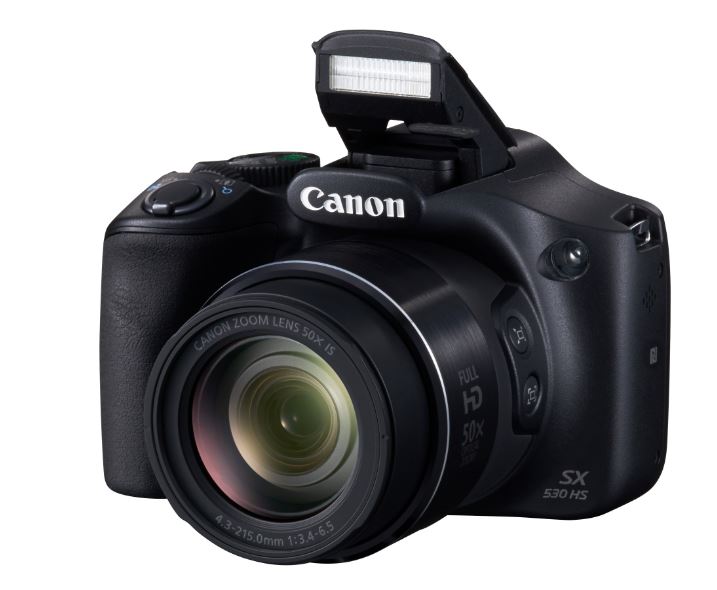
The next generation of compact
cameras makes it easy to dazzle your Instagram followers. With built-in
Wi-Fi, the new 16MP Canon PowerShot lets you snap, share to your phone
and upload instantly. It’s 50x optical zoom gets you up close and
personal, and even stretches out to 100x digital zoom, its ‘‘lock’’
function helping minimise camera shake (though a baby tripod never goes
astray). On the cute gimmick side, flip over to fish-eye mode, go
totally automatic, or take full control in the manual setting, and it’s a
one-button operation to start shooting 1080p Full HD video.

  
Hook your camera into your phone,

computer, printer or even your TV
via Wi-Fi or near field communication technology (NFC). Although it
weighs 128g, it’s 12x8cm, so it’s not a pocket camera, but will tuck
into a small handbag, and Canon also gives you 10GB in its new image
storage cloud,
irista.com 
. The PowerShot SX530 HS costs around $426.99. See canon.com.


TOUR: Secret treasures of our backyard

Did you know that Ku-ring-gai Chase
National Park has the world’s most concentrated collection of Indigenous
artefacts? Discover its secrets with local Aboriginal guides on a new
tour by Sydney OutBack, including the most famous, The Emu in the Sky.
The sophisticated level of Aboriginal

astronomy sees an emu carved in
sandstone match a constellation in the sky every autumn, when it’s time
to gather emu eggs. “The Guringai people were wiped out by a smallpox
epidemic in just 10 years,” Sydney OutBack’s Paul Pickering says, “but
they’ve left us a legacy to tell their story.” The full-day “Wilderness &
Aboriginal” explorer tour cruises on a private 15-metre motor cruiser
through the setting of The Secret River, the Kate Grenville novel and
recent ABC drama (film buffs note: it was filmed mostly in East
Gippsland’s untouched Lake Tyers). Cost $199 adults/ $149 concession
including Sydney CBD transfers and a bush tucker-inspired lunch. Phone (02) 9099 4249. See
sydneyoutback.com.au.


KIDS: Big fish meet small fry

A week into school holidays and out
of ideas? New zookeeper workshops let kids feed crocodiles and pat
pythons at the Australian Reptile Park at Somersby, on the Central
Coast, (see
reptilepark.com.au) while in the Hunter Valley, kids as young as six weeks have tickled
three-metre tawny nurse sharks at Irukandji Shark & Ray Encounters,
all served up with a strong conservation message (from
$29.50/$19.50/$95, see
sharkencounters.com.au). If you’re on the Gold Coast, Whales in Paradise runs three trips a
day to witness the annual migration of 20,000 whales (from $99/$69/$267
family,
whalesinparadise.com.au), and humpbacks, minke and southern right whales are now holidaying
along the South Coast. Jervis Bay Wild runs two whale-watching tours
each day, seven days a week, departing from Huskisson, 2.5 hours from
Sydney ($65/$28/$165,
jervisbaywild.com.au).


Wildlife in the Top End, new hotels for Adelaide, chop-chop, shop-shop: Takeoff travel news


NEWS: Spike in tours to Top End

Go deep into the tropical Top End to
explore the wildlife of Kakadu and the Mary River on safari with
Australia’s most decorated ecotour operator, Echidna Walkabout Nature
Tours. ‘‘This is where nature is still in charge,’’ says director and
guide Janine Duffy, who lists bustards, wallaroos and short-haired
wallabies as her favourite finds, as well as crocs, wild pigs and rare
birdlife. ‘‘It’s slow travel; you need to spend the time to discover the Top End,’’ she says.

Echidna Walkabout Tours won gold in
London last year at the World Responsible Travel Awards, named Best for
Wildlife Conservation, and recently became just one of three responsible
tourism operators in the world to be awarded the highest rating in the
Ethical Travel Guide by Tourism Concern, a charity that campaigns for
ethical and fair-trade tourism (tourismconcern.org.uk). The Wild Top End tour runs from
August 3 to August 9, 2015, and again in August 2016. The maximum group
size for the six day tour is 16 people. Costs $3300 a person. Phone (03) 9646 8249, see echidnawalkabout.com.au.  


FOOD: The world at your table

It’s a dreary night, so why not walk
the streets of the world with this new cookbook exploring the world’s
great street foods. Spend the night dining on Santorini’s tomato
fritters, barbecue pulled pork sandwiches from South Carolina, Iran’s
moreish jujeh kebab (saffron chicken) or kara’age chicken from the
izakayas of Tokyo. More than 150 easy recipes are drawn
from the four corners of the globe, most for four to six people,
because it’s all about sharing. Don’t miss the handy little Tricks of
the Trade section, which gives simple, straightforward advice about not
overfilling woks, roasting stock bones before you boil them and how

refrigerating dough makes your pizza crusts bubbly and chewy. This is author Jennifer Joyce’s 10th
book and she is also a food stylist for London mags, so expect beauty
on every page. My Street Food Kitchen is out on July 1 and costs $39.99.
See
murdochbooks.com.


KIDS: Rock on, baby

For the tiniest babes on the go, the
new Sleeper portable bassinet from Dutch-born Puckababy is a snug,
secure portable bassinet suitable for newborns and babies up to four
months, or 6.5kg and 64cm long. The soft bassinet is lightweight and
swaddles the baby with a neat crossover fold that is also a handle for
easy carrying and gentle rocking. Made from 100 per cent cotton, the
fabric is fully washable and carries a 1.0 tog rating. Ideal for planes,
trains and keeping baby safe and sound at home. Costs $179.95. See
puckababy.com.au.


GEAR: Chop, chop! Shop, shop!

Navigate China without currency woes
with a new prepaid travel card from Australia Post and Chinese firm
UnionPay, which is underwritten by the Bank of China. Charge the
Load&Go China card up with

Australian dollars and lock in a
fixed exchange rate into Chinese yuan, then it’s time to go shopping.
You can use the card at ATMs and point-of-sale terminals, paying in the
local currency. The reloadable card goes where foreign credit cards
aren’t accepted and as it’s prepaid, your bank accounts are safe and
unlinked. The card can be registered and locked with a PIN, and any
unused yuan can be converted back to Australian dollars when you come
home, without commission fees. Purchase in Australia Post offices or see

auspost.com.au/loadandgochina


HOTELS: Sage advice for stayers

Adelaide is the site of a new hotel
brand, with the old Grand Chifley Hotel recently rebranded as
Australia’s first Sage Hotel. The four-star hotel targets business
travellers with an eye on the balance sheet: rates include free Wi-Fi,
and laundry and minibar prices it says are comparable to convenience
stores. The property is in the prime location of South Terrace,
overlooking the city parklands, and is close to Adelaide’s free tram.
The Chifley Wollongong will rebrand to Sage in August and a new build in
Perth opens in March 2016. Sage’s parent group, the Singapore-based
SilverNeedle Hospitality, has 55 properties in the Asia-Pacific region
including the Country Comfort brand and Next Hotels, which debuted
recently in Brisbane. The Sage Hotel Adelaide has an opening special of
$99 a night, deluxe queen room only, until July 31. See
silverneedlehotels.com

TECH: Van of your dreams

So you’re listening to the call of the open road, but don’t have the vintage Airstream caravan to tow along for the ride? 

Log on to the new website for
MyCaravan.com, which hooks up would-be caravanners with the wheeled home of their

dreams, including motorhomes and
camper trailers. Owners can rent out their vans when they’re not in use,
and renters can save themselves the headache of van storage,
maintenance and registration, while paying up to half the price quoted
by commercial rental companies. The new website rates and reviews
vans as well as owners and renters, and also has a no-tow, no-woe section
for on-site vans, saving tow-bar-less renters any hauling hassles. Some owners will also relocate their vans for you, for a fuss-free, affordable holiday. See
mycaravan.com.au
 

The Takeoff travel news column by Belinda Jackson is published every Sunday in Sydney’s Sun-Herald newspaper’s Traveller section.   

Cruise Antarctica, shed light on the Philippines or find feathered friends: Takeoff travel news

CRUISE: Ship in Antarctica


Norwegian cruise company Hurtigruten has turned its eyes from its Arctic homeland to Antarctica, doubling
its capacity to become the largest provider of explorer travel in the
deep south. Currently, its small expedition ship MS Fram sails from
Ushuaia, Argentina, but in 2016/17 it will be joined by sister ship MS
Midnatsol. Carrying 500 passengers, the larger Midnatsol will start and
end its journeys in Punta Arenas in Chilean Patagonia, and will include
an interactive science lab and tailored children’s programs. Next
season, MS Fram will carry just 200 guests, seeking new locations and
extreme nature experiences such as camping among penguins and kayaking
in seal and whale habitats. More than 36,000 people visited Antarctica
in 2014-2015, the British base at Port Lockroy (and its famous post
office) receiving more than 10,000 visitors. Australians make up the
second-largest nationality of visitors to Antarctica after US citizens.
Journeys on the MS Midnatsol are 18 days. See
hurtigruten.com. 


GEAR: Shine a light on poverty

Help light the lives of those living
on less than a dollar a day when you buy a new Mandarin 2 solar light.
Australian manufacturer Illumination will donate one solar light to a
family

in poverty for every light sold. The
social enterprise company says a billion people don’t have access to
electricity, instead using kerosene lamps to work and study by.

“Buying fuel for a kerosene lamp can
take a third of their income, the kerosene fumes are toxic and
polluting, and the lanterns often start fires,” says inventor and
economist Shane Thatcher, whose BOGO (buy one, give one) offer gives
safe, clean, free light to Filipino families, in conjunction with
Kadasig Aid and Development (kadasigaid.com.au 
). 

Ideal for travellers going off the
beaten track, the pocket-sized Mandarin 2 weighs 160g, lasts up to 16
hours on a single charge and can be hung or stands as a table lamp.
Costs $25. 
See illumination.solar.


TECH: Daydreaming? Do it!

Sleep hanging from a tree in a
suspended tent, snooze in a Swedish silver mine or doss in a pop-up
hotel in a former prison. The new

Crooked Compass travel app lists
more than 1000 unusual experiences across 134 countries, with maps,
booking info and your own bucket-list creator. Developed by avid
Australian traveller Lisa Pagotto, it also hooks up to Facebook and
Twitter for instabrag capabilities and its ‘‘Experience of the Day’’ is a
wild card that may set you on the path to underwater photography
classes in Guam or horse-riding in Mongolia. The Crooked Compass app is
available for iPhone and Android platforms, free. See
crooked-compass.com.


FOOD: Cocktails at the ready

London is enjoying a torrid affair
with prebottled cocktails, in the swankiest possible way. For those of
us on the paying side of the bar, that means less construction noise
from blenders, a consistent drink and shorter waits. Leading the pre-mix
cocktail charge is London light Ryan Chetiyawardana, aka Mr Lyan, whose
third bar, Dandelyan, is in the Tom Dixon-designed Mondrian London (morganshotelgroup.com). In a stroke of genius, his little gems also appear in the hotel
rooms’ minibars – did someone say, ‘‘Martinis in bed’’? Other
bottled-cocktail bars to try while you’re in town include Grown-Ups,
which pairs World of Zing’s bottled cocktails and gelato in Greenwich (black-vanilla.com), and The London Cocktail Club in Shaftesbury Ave
(londoncocktailclub.co.uk). Otherwise, check yourself in to Artesian at
The Langham, three times named Drinks International’s world’s best bar.
Artesian launches its new cocktail list on July 2. The theme?
Surrealism. See artesian-bar.co.uk. 


KIDS: Bunker down with feathered friends

Warning: cute alert. Get down at eye
level with Phillip Island’s most famous residents, its Little Penguins,
in a new underground bunker that opens in mid-November. The tiny penguins stand about 30cm fully grown, and you’ll be able to eyeball them

one-way glass – as they come ashore at sunset after a hard day’s fishing. There’s also new above-ground
seating for 400 people being built into the dunes as part of a
five-year, $1 million investment by RACV into the not-for-profit Phillip
Island Nature

Parks. More than 600,000 people
visited the eco-tourism venture last year, with profits invested back
into conservation, research and education. The close-up Penguin Plus area won’t
be available during the construction period, so with fewer seats
available, visitors should pre-purchase tickets,

especially during school holidays.
The Penguin Parade is 90 minutes from Melbourne. General tickets cost
from $25.40 adults, $12.25 children 4-12 years, and $61.25 families. See

penguins.org.au.
 

AIRLINES: Leave your heart in San Francisco

Skip Los Angeles and head directly
for the Golden Gate city as Qantas brings back direct flights between
Sydney and San Francisco from December 20. The airline cut the route in May
2011, opting instead to fly to its hub at Dallas, Texas. Qantas says the
direct flights will be welcomed by Silicon Valley’s corporate
customers, but San Fran is also beloved by Australian holidaymakers.
Around 20 per cent of the 1.2 million Australians to visit the US pop in
to San Francisco, which

is our fifth most popular city after Honolulu, New York, LA and Vegas. Qantas will fly Boeing 747s to San
Fran six times a week, with lie-flat beds in business and a premium
economy section. The flight is estimated at around 14 hours, and goes
head-to-head with United Airlines’ daily flight. Meanwhile, Qantas’
partner and oneworld friend American Airlines will pick up an LASydney
route from December 17. See
qantas.com,
aa.com,
visitcalifornia.com.


The Takeoff travel news column by Belinda Jackson is published every Sunday in Sydney’s Sun-Herald newspaper’s Traveller section.  

Seven wonders, by the road: Australia road trips to natural wonders

A great view from the road: World Heritage-listed Uluru in
Australia’s Northern Territory. Photo: Steven Siewert

Seven great icons, seven great road trips, Belinda Jackson discovers that the journey becomes the destination.

Australia’s icons come with plenty of drama – the world’s oldest rainforest, world’s biggest monolith and it’s not called the Good
Barrier Reef, is it?

With some of the planet’s best scenery outside
your window, switch off the phone and seize the moment to explore our
most photographed beaches, our most frequently painted mountain ranges
or go it alone in the strange, remote deserts of the continent’s
interior – often easily seen through your car window. There’s no
hardship: eat our national coat of arms in South Australia, fill the
Esky on the Great Ocean Road or shop for a glass of wine at day’s end in
Tassie​. Read on to discover seven natural icons found on seven great
road trips, where the journey becomes the destination.

The icon: Great Ocean Road, Victoria

Great Ocean Road: the Twelve Apostles. Photo: Damien White

The flavour of the trip: From Torquay to Allansford,
near Warrnambool, the winding road curves along Victoria’s southern
coastline. The road was built by returned soldiers from WWI and
commemorates their fallen mates.
Get the picture: You’re
doing it to see the 12 Apostles, right? But make time to visit
Australia’s capital of surf, Torquay’s Bells Beach, spot wild koalas and
feed the parrots at little Kennett Creek. Plan a cafe and ice-cream run
at Lorne and fill the Esky from Timboon’s providores for a picnic at
Cape Otway.
Leave from: Melbourne. Torquay, the starting point, is 100km west of the capital’s CBD.

How much time to take: You can drive the GOR
straight in five hours, but why bother? Allow at least two nights to
explore. Double your driving time allowance if you’re doing it in the
summer school holidays.
Distance: 243km with plenty of hairpin bends and most of it is speed limited to 80km/hour.
See visitgreatoceanroad.org.au.

The icon: Alice Springs to Uluru, Northern Territory

The flavour of the trip: You’ve seen the ads: blood-red desert sands flank long, straight stretches of highway.
Get the picture:
Sacred Uluru is the undoubtable drawcard, but add to the list Kata
Tjuta​ (the Olgas) and Atila (Mt Connor, aka Fool-uru), another
spectacular monolith that rises up on the southern side of Lasseter
Highway: the rookie mistake is thinking it’s Uluru. To visit Atila, book
through Curtain Springs Station (curtinsprings.com)
Leave from:
Fly in to either Alice Springs or Ayres Rock airport and hire a camper
or standard car (you won’t need a 4WD if you don’t stray from the
highway). For the full immersion, drive 1500km from Darwin.
How much time to take:
Six hours without stops, but savour it with an overnighter​ en route.
It’s speed limited at up to 130km/hr, so you can put your foot down, but
don’t drive at night: you won’t see anything except that roo, camel,
cow or emu coming through the windscreen.
Distance: 462km down the Stuart Highway, then chuck a sharp right at Erldunda Roadhouse onto the Lasseter Highway. See travelnt.com.

The icon: Flinders Ranges, South Australia

The flavour of the trip: A gentle introduction to
the outback (though flashes of aquamarine waters of the Spencer Gulf
always come as a surprise). It’s hard to keep your eyes off the
watercoloured​ ranges, but watch for wild donkeys on the road.
Get the picture: Stop for a FMG (“feral mixed grill”) at the Prairie Hotel, Parachilna (prairiehotel.com.au) and a wedge-tailed eagle’s view of the ranges with a light aircraft flight from Wilpena Pound Resort (wilpenapound.com.au).
Stay overnight at tiny Arkaroola village and wilderness sanctuary to
spot elusive yellow-footed rock wallabies, take a 4WD tagalong tour and
visit the astronomical observatories (arkaroola.com.au).
Leave from: Hawker is 400km from Adelaide on the A1, which finishes at Darwin.
How much time to take: Four nights will fit in the basics, but it deserves a week’s exploration.
Distance: The
classic Flinders circuit is 230km, from Hawker to Blinman, across to
Parachilna and back to Hawker. Add on a round-trip from Hawker up to
Arkaroola, about three hours from Parachilna. See roadtrips.southaustralia.com.

The icon: Mungo National Park, New South Wales  

Big skies and bigger stories: Mungo National Park. Photo: Quentin Jones

The flavour of the trip: This is ancient land:
people have been living around Mungo for 50,000 years – gear up for big
deserts, big rivers, big skies and even bigger stories.
Get the picture:
See the skeletons of ghosts past, when Australia’s massive inland sea
receded at the end of the last ice age. Mungo Man, Australia’s oldest
human remains, were discovered here, and plan for sunset and sunrise
looking to the dramatic Walls of China. You can do a 2.5-hour tagalong
driving tour of the national park with Aboriginal Discovery Rangers and
learn about the megafauna – giant kangaroos, wombats, lions and emus –
who lived here.
Leave from: Sydney via Goulburn
and Wagga, with eyes peeled for emus on the Hay plains. Otherwise,
award-winning Echidna Walkabout Nature Tours runs tours from Melbourne
(echidnawalkabout.com.au).
How much time to take: Allow
two days to reach Mungo. If desert camping is too extreme for you,
pitch your tent by the Murrumbidgee in Balranald, 130km from Mungo, or
take a motel room in Wentworth and visit the red dunes outside the town,
148km from Mungo.
Distance: 875km from Sydney. See visitmungo.com.au.

The icon: Daintree, Queensland

The flavour of the trip: A sunny drive up the scenic
Queensland coast to visit the world’s oldest surviving tropical
rainforest, with the Great Barrier Reef served up on the side.
Get the picture:
Beach camping, twice-daily swims, sunset barbies: it’s the great
Australian holiday. For a change of scenery, take the byroads through
the lush Atherton Tablelands.
Leave from: Townsville.
The drive up to the Daintree and nearby Cape Tribulation is around
500km. Determined roadtrippers​ could start out in Brissy for an 1800km
one-way journey.
How much time to take: Allow a
week to soak up the Cairns vibe and let yourself be diverted from the
road on a boat trip out onto the reef off Townsville, staying at luxe
Orpheus Island (orpheus.com.au) or friendly Magnetic Island (magnetic-island.com.au).
Distance: 470km. See queensland.com.

The icon: Freycinet Peninsula, Tasmania

The flavour of the trip: A slow drive up Tasmania’s
sleepy east coast with a day’s detour on the foot passenger ferry to the
former convict colony of Maria Bay.
Get the picture:
Constantly featured in “Top 10 world’s best beaches”, the perfect curve
of Wineglass Bay is best appreciated from its lookout.  Don’t miss the
chance to stock up on local wine on the way (winetasmania.com.au)
and make time for a short walk down to Hazards Beach on the Freycinet
Peninsula. Keep the camera ready for white-bellied sea-eagles and
adorable little paddymelons.
Leave from: Hobart via Sorrel, Orford and Swansea.
How much time to take: Three days minimum, unless you really like seafood and cool-climate wines.
Distance: 400km for a round-trip circuit. See discovertasmania.com.au.

The icon: Bungle Bungle Range, Western Australia

The flavour of the trip: Lonesome and lovely, this
drive through the Kimberley is the dictionary definition of the word
“remote”. Mind you, the Gibb River Rd does become a bit crowded in peak
(winter) season.
Get the picture: The sandstone
“beehives” known as the Bungle Bungles are in Purnululu National Park,
weathered away over 350 million years. Book a scenic flight over them
from the local caravan park (bunglebunglecaravanpark.com.au). Take a dip
in Cathedral Gorge, but stay clear of the waters of Windjana Gorge –
it’s croc territory.
Leave from: Broome and turn due east.
How much time to take:
Seven days minimum – you’re on bush time now and the roads into
Purnululu are slow. But you could fall in love with the Kimberley and
never leave.
Distance: 1100km via the Gibb River Rd. You could leave from Perth, but that is a 3000km drive, one way. See westernaustralia.com.

This article brought to you in association with Avis.

This feature by Belinda Jackson was published on Fairfax Media’s Traveller website.

The Maldives travel guide and things to do: 20 reasons to visit

The world’s first underwater spa is in the Maldives,
at Huvafen Fushi resort.

1.    HAIL THE TAXI

Usually other countries’ taxis are a source of great rip-off tales
for travellers. Taxis here are jaunty public ferries linking the
islands: most foreigners will use only the route between the airport on
Hulhulé Island and the capital, Male. Possibly the world’s most scenic
airport taxi rank, it’s a strip of turquoise water teeming with luxury
yachts, picturesque dhonis (sailboats) and bright tropical fish. The
10-minute trip costs   $1.30 but the people-watching is free. The
seaplane taxis offer another spectacular perspective on the Maldives.

2.    FISHY BUSINESS 

Male’s fish markets are an eye-opener, but not for the squeamish.
Giant tuna are laid out in slabs while choosy buyers shop for home and
the resorts. Once you see the fishmongers at work, you’ll pray you never
meet a cranky one in a dark alley. Expect to pay around 45 rufiyaa 
($3.80) for a kilo of quality tuna meat caught that morning. Go early –
it’s clean but refrigeration is scant.

3.    UNDERWATER DINING

Admire fish both on and off the plate at Ithaa, the world’s first
underwater restaurant at the Conrad Maldives Rangali Island resort. The
14-seater glass dome sits five metres under the sea and serves plenty of
fish, while the wine cellar is dug  two metre down into the island’s
depths (hilton.com). Nearby Kihavah Anantara resort has followed suit
with the four-level Sea.Fire.Salt.Sky, where Sky is a rooftop bar and
Sea is under water (anantara.com)

Ithaa, the world’s first underwater
restaurant at the Conrad Maldives
Rangali Island resort. 

4.    ISLAND FARE

Rated the Maldives’ top restaurant, Ufaa is on Cocoa Island by COMO,
in the Kaafu Atoll, 30 minutes by seaplane south of Male. New
Zealand-born chef Shane Avan serves fish fresh off the boat in a blend
of Maldives-Mediterranean-Asian fusion. Book ahead if you’re planning to
drop by from another hotel (comohotels.com). Reethi Restaurant, in the One & Only Reethi Rah, on the North Male Atoll, is often quoted as its closest rival (oneandonlyresorts.com)

5.    SHARK PARK

The Maldives became a shark sanctuary in 2010 when it banned all
shark fishing: take a night dive with grey reef sharks, go hammerhead
spotting or watch whale sharks. There’s no defined season for the big
fellas,  local marine biologists, say. They just appear around bait
balls, which are great rolling masses of small, tasty fish. Check out
the snorkelling trips in the South Ari Atoll
(maldiveswhalesharkresearch.org). If paddling with predators ain’t your
thing, most lagoons are shark nurseries, and harmless baby grey tips and
little lemon sharks are easily spotted on your walk on the jetty to the
overwater spa.

6.    SCREENSAVER SCENERY

You know that picture that comes pre-loaded on your new laptop? Yes,
the one with the palm trees and toothpaste-white beaches. It’s probably
photographed in the Maldives. Add a hammock, umbrella and icy drink and
you’ll know why the little country is high up on the world’s
must-visit list. The Maldives straddles the Equator, so temps don’t
fluctuate much from the annual average of 30 degrees.

Sea.Fire.Salt.Sky at Kihavah Anantara resort. 

7.    SLEEPING OVER WATER  

Of the almost 1200 islands in the Maldivian archipelago, only about
300 are inhabited, and all with the teensiest land masses. The solution?
Sleeping over water is de rigueur here. Generally pricier than garden
rooms, you can dive straight into a blue lagoon from your over-water
living room.

8.    SENSATIONAL SPAS

Most Maldivian resort spas are over water, preferably with a glass
floor so you can watch baby sharks gambol while you’re face-down on the
massage table. Spa Cenvaree at the new adults-only Centara Ras Fushi
Resort Maldives was named  Best Luxury Emerging Spa in the Indian
Ocean at the recent 2014 World Luxury Spa Awards
(centarahotelsresorts.com), while the  Ayurvedic treatments at Six
Senses Spa Laamu (sixsenses.com) and Banyan Tree’s luxury Spa Vabbinfaru (banyantree.com) also took home silverware. And you can’t go wrong at the One & Only Reethi Rah’s ESPA (reethirah.oneandonlyresorts.com/spa.aspx) or the Jiva Grande Spa at the Taj Exotica (tajhotels.com). Of course, the world’s first underwater spa is in the Maldives, at Huvafen Fushi resort (huvafenfushi.peraquum.com).

9.    SPICE SHOPPING

Opposite the Male fish market is a real local’s market: walk past the
fishing boats and dhoni along the harbour wall till you come across
boxes and boxes of ripe papayas, chillis and enormous bunches of green
bananas slung around a rough building. Must-buy items include local
spice mixes for heart-warming curries and proto-Golden Roughs: coconut
and palm sugar rolled up in dried leaves like cigars for a quick
pick-me-up if you’re flagging in the midday heat.

One & Only Reethi Rah Spa. 

10.    ELITE RESORTS

The first tourists arrived in the Maldives in only 1972, but all the
world’s major hotel brands are now here. Recent openings include
Maalifushi by COMO by wellness pioneer Christina Ong (see comohotels.com), Club Med’s new luxury face with 52 villas (clubmed.com.au) and Atmosphere Kanifushi Maldives’ 150 villas and suites (atmosphere-kanifushi.com).
Expect royalty and rock stars at two newcomers in the Noonu Atoll,
exclusive 45-villa Cheval Blanc Randheli from the owners of Louis
Vuitton and Moet (chevalblanc.com) and super-luxe Velaa Private island, with Michelin-starred restaurants and a golf academy by José María Olazábal’s (velaaprivateisland.com). Elite, yes, but more cater to families than you’d first think.

11.    SUPERB SNORKELLING

You don’t have to kit up to the hilt to enjoy the Maldives’
spectacular marine life. Even the scardest snorkeller can spot
spectacular lionfish, parrotfish, a range of rays and weird unicorn fish
as well as oriental sweetlips and clownfish, which are endemic to the
Maldives. The archipelago is a transit zone for fish life, so expect
plenty of variety and a rainbow of colours in even the shallowest
waters.

12.    SLEEPING WITH THE LOCALS

Traditionally, the Maldives’ 300-odd inhabited islands have been
split between resort islands and local islands. The government recently
launched its new integrated resort development project, with the first
guest house islands occurring in the Laamu Atoll, in northern Maldives.
The aim is for 2100 new guesthouse beds on offer by 2017, which is good
news for travellers on lean budgets and those seeking a deeper cultural
experience.

Ari Atoll, Maldives. 
Photo: Alamy

13.    SURF’S UP

It’s all about reef breaks here, and the best-known are in Male’s
Atolls, which can get a tad crowded. The recent 2014 Asian Surfing
Championships were held at Sultan’s Point, near the Four Seasons, and
the inaugural Maldives Open 2014 ran on September 3-7 at Lohis Point, a
long, consistent lefthander near the Adaaran Hudhuran Fushi Resort. Take
a surf safari through your resort or off a live-aboard boat. Luxe surf
safari outfit Tropic Surf has set up a surf shack at the new Maalifushi
by COMO resort in the relatively unexplored Thaa Atoll, deep in the
south-west of the country. It lists Farms as its most requested break in
the area, but is still discovering new breaks (tropicsurf.net). The peak surf season runs May to October, beginning earlier in the southernmost atolls.

14.    GOING DOWN

With more than a thousand species of fish here, the Maldives’ diving
is famed. The dive season runs from January to April, with clear water,
little wind and up to 30 metres’ visibility, but year-round is still
very good. Expect it all: steep drop-offs, caves, wrecks, reefs,
channels, soft and hard corals. North and South Ari Atolls get a mention
for great manta ray and whale shark action, while quiet Lamuu Atoll is
shaping up as the new go-to spot, say the divers from theperfectdive.com.au.

15.    SHORT EATS

Get down with the locals and tuck into Maldivian snack food. While
super-spicy tuna curry tops the menu, cafes dish up short eats or
snacks, to get you over the afternoon slump. Order up on maas roshi
(little tuna and coconut patties) and kaashi bokibaa (coconut, rosewater
and palm sugar balls).

Locals fishing
 Photo: Belinda Jackson

16.    ON THE LINE

Maldivians surely can fish before they can walk. Net fishing is
illegal even for commercial operations: the locals use pole and line
fishing, as they have done for centuries, catching one fish at a time.
Make no mistake, they can bring the fish in at speed, but sustainably
and without the environmental damage of net dragging. You can chase the
big game on a tag-and-release fishing safari on liveaboard boats or
through your resort.

17.    DOLPHIN SPOTTING

One of the great joys of the Maldives are its little spinner
dolphins. They earn their names for their antics: in the late afternoon,
as they make their way out of the lagoons and into the deep ocean to
hunt, the dolphins will leap into the air to spin, just for the sheer
joy, it would appear. They’ll happily follow your boat, but don’t jump
on command.

18.    STYLE FILE

The Maldives has its own, laid-back tropical style. Expect sandy
floors in chic restaurants, open-air lobbies, thatch roofs overhead and
the swish of an overhead fan ruffling the white curtains on your rustic
timber four-poster bed. The colour scheme is turquoise lagoons, white
sandy beaches, baby-blue skies and yellow, for the big sun and the lemon
curl in your martini glass.

19.    THE BIG FIVE

Spot the Maldives’ marine Big Five: manta and eagle rays, sea
turtles, dolphins and sharks, including whale sharks. On the protected
species list are turtles, great clams, whale sharks and conch shells.
Endangered marine species  such as the whale shark, turtles, dolphins,
as well as corals, are  all protected by law.

Public taxi
 Photo: Belinda Jackson

20.    SPEAK EASY

Does your airline ticket send you to Kadhdhoo Kaadedhdhoo or Kadhdhoo
Kooddoo? The Maldivian language is Dhivehi, a mix of Arabic, Urdu and
Sri Lanka’s Sinhalese, and the script is called Thanna. To the untrained
eye, the alphabet could even resemble a series of punctuation marks.
Here’s all you need: “fushi” means “island”, and “Hingadhaan!” means
“Let’s go!”

The writer was a guest of Como Hotels & Resorts and Conrad Maldives Rangali Island.


This feature by Belinda Jackson was published in Sydney’s Sun-Herald newspaper’s Traveller section.

Gone drovin’ and hanging loose: Takeoff travel news

ADVENTURE

Gone
drovin’

Turn your horse’s head to the west on a new droving experience in the
Riverina. There are just 20 places available on the new Long Paddock Cattle
Drive, which sees you droving a mob of cattle along one of Australia’s iconic
stock routes that’s still in use today. There’ll be plenty of big hats, billy
tea and bulldust, but there’s also a ready-made camp to return to each night
(with stretcher beds!) at Wanganella Creek Camp. Here, local Riverina produce is showcased at
each meal, hot showers and horse wranglers on hand to help each rider, from
beginners to seasoned hackers. The first two rides will take place from May 1-3
and May 8-10. Riders need to be 18 years and over, costs $2500 a person. See thelongpaddock.com.au/cattle-drive.


TECH
Taking care of
YourSelfie

Unfortunately for the anti-selfie-stick brigade, modern travel
is inextricably linked to technology, with split-second social media replacing
more genteel, though less timely postcards. Learn how to digitally unwind with
tech mistress Randi Zuckerberg and Celebrity Cruises. Zuckerberg is
editor-in-chief of Dot Complicated, sister to Facebook inventor Mark, and the
social medium’s former  director of
market development and spokesperson. The year-long “Take Care of
YourSelfie” campaign helps travellers navigate the delicate tech-travel
balance, surely aided by cruise ships’ traditionally steep internet charges and
limited access. But stop envisaging a bunch of rabid geeks on bandwidth withdrawal:
unplug with spa and health treatments onboard Celebrity’s 11 ships at the
Canyon Ranch SpaClub, including the InstaGlow detox ritual, fACEial Time
facial, seaweed peat wrAPP and the Texitcure manicure. Phone 1800 754 500, see celebritycruises.com.au.

GEAR
Wear your Aussie
heart on your sleeve
Take a little piece of home on your travels abroad with
this chunky eco bracelet made from Tasmanian timbers such as huon pine, myrtle
and sassafras. The timber offcuts have been polished into beads and are offset
with Tagua seeds from South American rainforests, which are collected by women
in impoverished rural communities. The jewellery is available several
colourways, and each unique piece is made by Tamika Bannister of Spotted Quoll
studio in Launceston, Tasmania. Melbourne online retailer BitsOfAustralia ships
free within Australia for purchases over $30, and $15 internationally. Spotted
Quoll eco bracelets cost $45, eco necklaces also available, $55. See bitsofaustralia.com.au.

KIDS
Hang loose in
Sydney
The school holidays are over, but Taronga Zoo makes it
easy to escape into the wilderness with its new Wild Ropes adventure. The
treetop rope course crosses suspension bridges, zip lines and rope climbs.
Happily, the ropes don’t hang over lions’ dens: you’ll be dangling over
herbivores, either Australian native animals including kangaroos and koalas or
its wetlands aviary, during the 90-minute experience, with views to our own Sydney
Opera House and Sydney Harbour Bridge. Open seven days a week, Wild Ropes costs
$35/adults, $30 children 10-17 years (minimum 1.4m tall) or $69/$45 with
Taronga Zoo entry. See taronga.org.au/wildropes.
AIRLINE
Aussies step aboard
for Hong Kong
Two Australian natural skincare brands get a sky-high
promotion when they are included in Cathay Pacific and Dragonair’s new first
and business class amenity kits. Lucky first-class passengers can now slather
on Aesop hand cream and lip balm, presented in stackable cases also by Aesop,
while business class flyers will receive a perennial Asian favourite, South
Australia’s Jurlique, whose hand, lip and day care creams are packed in a case
by hip Hong Kong bag manufacturer Seventy Eight Percent. In May, the airline
will also reopen its premium airline lounge, The Pier in Hong Kong airport,
following a redesign by British design icon Ilse Crawford’s Studioilse. Word is
that instead of an open space, it will feel more like ‘a luxurious apartment’. Cathay
Pacific launches its Hong Kong-Zurich route on March 29 and Hong Kong-Boston on
May 2, and this month adds additional seats on its Sydney-Hong Kong route when
it deploys its larger Boeing 777-300ERs on the daily service. See
cathaypacific.com.
MUSIC
I’m with the band
The Australian Chamber Choir is hitting the road on its
fifth European tour, and this time, it’s asking its friends along. Yeah, you’re
with the band. Departing on June 25, you’ll enjoy the sights of Berlin,
Copenhagen, Hamburg and Sweden’s Ystad, as well as discovering the sights and sounds
of Europe’s medieval villages. There are
choir performances in 15th-century churches, Berlin’s Kaiser Wilhelm Memorial
Church and at Denmark’s Sorø International Music Festival, as well as traditional
sightseeing highlights such as a visit to Beethoven’s birthplace, in Bonn. The 15-day
tour stays in four-star hotels including a converted monastery in Bavaria, and
includes coach transport, guides, admission to all the concerts and a
(non-compulsory) ‘Friends Choir’, for those who want to sing along. The Friends
Tour of Europe 2015 costs $6950 a person, twin share, excluding flights. See
auschoir.org.


Takeoff travel news is edited by Belinda Jackson and published in Sydney’s Sun-Herald newspaper each week. 

Getting snappy in the Arctic, trans-Australian training: Takeoff travel news

It’s been extremely quiet on the blog front, so excuse me while I drag the last couple of Takeoff columns up online. In particular, this photography competition, which will win you a $10,000 polar adventure, closes soon. So make it snappy!

Cold snaps

If ice is the spice of your life, enter Aurora
Expeditions’ new Facebook photography competition as the adventure company hunts
for its next Official Arctic Photographer. Open to all comers, from phone
snappers to professional photographers, the winner will sail from Scotland to
Spitsbergen spotting great whales and polar bears, massive icebergs and wild
landforms on a 14-day adventure. The prize includes airfares, an expedition
cruise and all expenses paid, worth $10,000. To enter, ‘like’ Aurora
Expeditions’ Facebook page, add your best travel photo and write 50 words  on why you should become the official Arctic
photographer. Entries close March 3. See facebook.com/auroraex.

GEAR 
Pack for
adventure

Sometimes, hard-shell suitcases just won’t cut it when
you’re strapped for space: such as when you’re boating or taking a light plane. Hit
the road with Australian company Paklite, whose new Escape rolling duffle bags
are practical and sturdy, ideal for the traveller who likes to pack in plenty
of adventure. The bags come in three sizes for overnighters (1.9kg, 32l),
weekends away (2.4kg, 50l) and longer getaways (2.kg, 72l) in Spring Green,
Rust and black. Each has a lockable trolley handle and wheels, and the smaller
bags can slot over the handle of the larger case, to keep one hand free. Cost
from $159-$199. See paklite.com.au.

TRAINS

Cross country
Central Australia is on show with a new advertising
campaign for the cross-continent trains The Ghan, the Indian Pacific and The
Overland, which links Adelaide and Melbourne. The campaign, ‘Journey Beyond,’
took a year to create and urges travellers to explore some of Australia’s most
evocative and remote landscapes, such as Coober Pedy in South Australia and the
Northern Territory’s Katherine Gorge. “We welcome you to step off the train in the middle of
nowhere to witness an Outback sunrise,” says Steve Kernaghan of Great Southern
Rail. “You can dig for opals, take a river cruise, linger over a long lunch,
board a scenic flight to Uluru.” Current specials include saving up to $992 on
an eight-day Wildman Kakadu Adventure package or a Perth and Margaret River
package on its all-inclusive Gold Service. Book by February 28 for travel from
May 1, 2015 to March 31, 2016. To watch the new TV advertisment, see http://youtu.be/57ZjnxL5eUI, greatsouthernrail.com.au.

WILDLIFE

Songs of the ocean
If you’ve swum with sharks, tuna or seals, it’s time to
play with the big boys, whales, on the first sing-and-swim tour in Tonga. This
tour is the first of its kind to combine swimming with humpback whales and
Tonga’s singing culture. Led by Sydney choir director Stuart Davis, who has
conducted singing tours to Cuba, Morocco and Spain, the 12-day adventure
includes a traditional Tongan song workshop, beach feast, listening and joining
village church choirs as well as five days in the water with the singing
whales. “Their song is ancient and resounds through all your senses,” says
Stuart. “If you are above them, you can experience the sound vibrating through
your body – it’s truly unforgettable. And even the male humpbacks sing.” The tour departs September 9-22 and costs
$3108, twin share, which includes 12 nights’ accommodation. Budget around $1000
for airfares: Virgin Airlines flies direct from Sydney to the Tongan capital,
Nuku’alofa. Contact Stuart Davis on 0403 869 405, singup@optusnet.com.au.
AIRLINE
Kits that means
business
Qantas has brought Australian luxury leathergoods
designer Oroton on board with a collaboration on its new business class
inflight amenity kit. Available only on Qantas flights to Asia, the pro-Australian kits are packed with Aurora Spa ASPAR
toiletries and Qantas pyjamas by Peter Morrissey,
emblazoned with the airline’s logo. Oroton, which has been creating
envy-inducing handbags since 1938, designed the limited edition Business Sleep
Collection kit to help celebrate Qantas’ new A330 business suites. 
These were designed by another key Australian designer, Marc Newson. If your budget hasn’t
stretched up a class, economy passengers travelling on the
refurbished A330s also get broader seats with
power, 11-inch screens and, as across the rest of its aircraft, larger
meals with more dining choices. The A330 aircraft refits are being undertaken
by more than 200 staff in Qantas’ Brisbane hangar and are expected to be
complete by end 2016. Qantas also recently announced it will conduct one-off
flights from Sydney to Istanbul via Perth for the ANZAC centenary
commemorations at Gallipoli. Flights depart April 21, returning April 28. See qantas.com.au.  

TECH
Austria
shells out
If Vienna isn’t within your reach right now, cheat and
see the best of the city here in Sydney, or online. On February 4, the Sydney
Opera House will host a classic Viennese tradition,  a free public concert. Conducted by Ola Rudner
and featuring soprano  Elisabeth Flechl,
the Sydney Symphony Orchestra will play the Greatest Hits from Vienna, with
works by  Mozart, Strauss, Beethoven and
Schubert. During the second half of the concert, our opera house’s sails will
be transformed by scenes of Vienna and artworks such as Gustav Klimt’s The Tree of Life. Watch the concert with
ticketed seats inside, enjoy the the free concert from a public viewing area at
Campbells Cove, near Circular Quay station, or watch it live online from 8.30-10.15pm,
at visions.vienna.info. Upload and tag your photos with #VisionsOfVienna to
enter a competition to win a week in Vienna, with flights by Emirates Airline.

Edited by Belinda Jackson, Takeoff is published in the Sun-Herald‘s Traveller section every Sunday.  

Ferry trip to northern Tasmania: The spirit of Tasmania

The Nut at Stanley, Tasmania
The
little french bulldog rolls its great eyes, a young german shepherd starts to
howl, the ship shakes free of its moorings, and we’re off.  If you thought
you had to get to the Mediterranean to go sailing, you’ve forgotten about our
own modest sea crossing, from Melbourne to Tasmania. 
Sure, you
can fly to Tassie – it’s just two hours from Sydney and but an hour from
Melbourne to Launceston. But the luxury of time and the convenience of driving
your own car obviously appeals to many, for tonight’s sailing on the Spirit of
Tasmania is a busy one. There holidaymakers with their fur families (hence all
the hounds in the hold), caravanners with kids’ car seats and those who, like
us, have a few empty eskies  waiting to be filled with Tassie’s spectacular
produce.
We set
sail on the Spirit just in time for dinner, and already the message is clear:
you’ll never starve on this island. The ship’s yet to clear Melbourne’s Port
Phillip Bay and already our dining table in the ship’s Leatherwood restaurant
is laden with smoked quail, brandied chicken pate, ocean trout all from the
island state – and that’s just entrees. The exploration of Tasmania’s 60-plus
vineyards also starts here, with a handy list of cellar doors and wines
including Ghost Rock’s hard-to-get, sparkling wine, the Catherine, and a cheery
MacForbes Riesling, both from northern Tasmania. 
Our gang
of three shares a four-berth cabin: it’s compact and comfortable with two sets
of bunk beds, and the ship rocks gently across the Bass Strait to arrive in
Devonport just on sunrise. The information booth hands out leaflets on the best
breakfast cafes open at this ungodly hour, and the recommendation is for
Anvers’ Chocolate Factory, in nearby LaTrobe (anvers-chocolate.com.au).
Bingo.
The plan
is to drive from east to west along the north coast in just a few days, seeking
out its hamlets and beauty spots, avoiding the (relatively) big smoke of
Launceston, the Bass Strait keeping us company all the way. 
I have
already drawn up a shopping list for our three-day getaway, and it’s
embarrassingly food-oriented: raspberry jam from Christmas Hills in Elizabeth
Town (raspberryfarmcafe.com),
Hellyers’ single malt whiskey in Burnie (hellyersroaddistillery.com.au),
Tasmanian wagyu pies in Devonport (wagyupiecompany.com). There are scallop pies to
be devoured, wine and cider to be drunk, berry ice-cream to be licked. Lucky
I’m also sailing home: the airlines surely would charge me excess baggage on
the return journey.
A word on
driving in Tassie:  a hundred kilometres will not take an hour: there be
many corners, there be wild animals on the road, there be the cutest little
beach just right for paddling, a pick-your-own berry farm or a glorious vista
begging to jump onto your Instagram feed. 
Scallops at Lost Farm

On the
drive east of Devonport, our journey comes to a screeching halt at a crossroad
on the B82, amid  a cluster of Australia’s top sparkling producers,
including Jansz and Piper’s Brook, and we celebrate our find with a glass of
bubbles. 

Further
along, at Bridport, the diversion is a sweet little local bakery followed by a
walk through the rolling sand dunes that stretch out in front of our room for
the night at Barnbougle Dunes, whose  golf course, The Dunes, is rated
11th in the world. We snicker at road signs warning of kangaroos and golfers, and
play “what’s that funny name”  when passing Squeaking Point and
The Dazzler Range.
Driving
west of Devonport, the diversions are many and fabulous, such as the hamlet of
Turners Beach, notable for its kid-friendly beach and the welcoming La Mar
cafe, which packs together a dinner for our night’s stay in the self-catering
The Winged House. 
Further
on, at Penguin, we stop to admire a giant (concrete) penguin, penguins painted
on shop walls and the town’s rubbish bins garnished with penguin sculptures.
The actual penguins are absent, although a smiling woman at Cocoon, one of
Penguin’s brace of remarkable homewares shops, tells me she spent the morning
watching a baby whale frolic in the warm coastal waters with its mum. It’s
lunchtime so the  order is for a couple of scallop pies from the town’s
bakery and, like every other time I’ve eaten them, I’m surprised all over again
that the fat scallops are baked in a curry sauce so thick it’s almost rigid.
Not Thai or Indian or some exotic curry, but more like a super-yellow,
English-love-it Keen’s-curry-powder curry, and I just can’t help but feel a
little sad.
La Mar cafe at Turners Beach
With a
population of 20,000, it feels like we’ve hit the big smoke at Burnie, which
has more than its fair share of great finds, including the best little drive-in
boozer in the north, with rare and wonderful ciders galore, set beside the
recently renovated Ikon Hotel, with great family-sized apartments. But if you
had to make but one stop along this coast road, make it Burnie’s Maker’s
Workshop. 
The town
is packed with art deco architecture thanks to a cash injection via the
Australian Pulp and Paper Mill in 1938, yet the Makers’ Workshop is a
super-modern construct of glass and steel, built in 2009 on the waterfront. At
any time, up to five “makers” will be creating anything from
jewellery to baskets, paintings to glassware and I strike up a conversation
with a peg dolly maker and a felt maker. 
The glass-fronted cafe lets you watch
the working waterfront from a cosy perch. The tourist information centre is
comprehensive and its gift shop, selling Tasmania’s artisan wares, really is
worth saving your pennies for. While the paper mill has since closed, they’re
still making paper here – but this time, it’s from wombat poo or apple pulp and
visitors can turn their hand to making it on the frequent paper-making tours.
But  it’s not all scones and cappuccinos. There’s also a monstrous, yellow
Elphinstone underground loader in the foyer, a reminder that Burnie is also the
home to a Caterpillar factory and the former mechanic and the state’s richest
man, Dean Elphinstone. 
The Winged House, Table Cape

Table
Cape is best known for its tulip farm, but it’s out of season, and no vivid
strips of flowers to be seen. From our architecturally intriguing  home
for the night, The Winged House, the coastline disappears into the mists, first
mapped by Matthew Flinders with his surgeon friend, George Bass, in 1798. To
the west is The Nut at Stanley and further on, Robbins Island and Cape Grim,
said to have the world’s most pure air. It’s a delight to learn that the IGA
supermarket at nearby Wynyard  does what a franchise is supposed to do,
and stocks local scallops, whole Tassie salmon fillets and the famed beef from
Cape Grim.

It’s
 invigorating here on this headland, with the Roaring Forties living up to
its name. So after photographing the coastline from the island’s last working
lighthouse, we push on to Boat Harbour, which a Tassie friend tips as a
must-visit. She’s not wrong. The tiny harbour has a sunny cafe-cum-surf
life-saving club, set on a sandy beach that curves sweetly into the headland,
every one of the village’s beach shacks has commanding water views. It’s the
same story at nearby Sisters Beach, where sea-changers and retirees are
providing brisk business for the local tradies and real estate agents. 
Despite
its location on the north-west edge of Tasmania, little Stanley is terribly
chic. Sure you can hike or catch the chairlift to the top of The Nut, a rough
volcanic bluff  but it also sports a genuinely boutique hotel, @ VDL
Stanley,  upmarket fish-and-chipperies, more fabulous homewares shops and
cafes with a dash of city slickery. 
Next time,
I’m going to juggle my days better to hit the Sunday markets at Penguin and
pretty Ulverstone, I’m going back to funny little Tomahawk to pitch my tent
once again, and I’m going to finally hike in the Tarkine wilderness.
  
On the
way home, a vivid super-moon lights the ship’s decks and I score an upgrade to
a vast deluxe cabin with a double bed, right at the very front of the ship.
Instead of portholes, there are panoramic windows, just the spot to sit and
write that list for the return journey. 
TRIP
NOTES
MORE
INFORMATION
See discovertasmania.com.au.
The
Spirit of Tasmania sails from Melbourne into Devonport. Children travel free
between March 6 and September 13, book by February 28. Costs from $96 adults in
an ocean recliner, or from $258 for two adults and two children in a four-berth
cabin, one-way. See spiritoftasmania.com.au. Virgin Australia (virginaustralia.com),
Jetstar (jetstar.com)
and Qantas (qantas.com.au)
fly from Sydney and Melbourne to Launceston. Rex Airlines flies Melbourne to
Burnie (rex.com.au
STAYING
THERE
Barnbougle
Dunes in Bridport costs from $190 a night. Phone (03) 6356 0094, see barnbougledunes.com.au.
The Winged House at Table Cape costs from $360 a night,  Table Cape. See thewingedhouse.com.au.
Ikon Hotel, Burnie  costs from $170 a night. Phone (03) 6432 4566, see ikonhotel.com.au.
EATING
THERE
Create
your own foodie drive across northern Tasmania, see cradletocoasttastingtrail.com.au
or  the food review app, see tasmanianfoodguide.com.au.
WHILE
YOU’RE THERE
Makers
Workshop, Burnie, makersworkshop.com.au is a must-see. 
FIVE MORE
GREAT TASSIE DRIVES
East
Coast
Hobart to
St Helens.
Explore
some of the island’s  best national parks, including Bay of Fires and
Maria Island. Distance: 295km.
Convict
Trail:
Hobart to
Port Arthur via Richmond. Discover our picturesque, yet brutal colonial
history. Distance: 205km.
Cradle
Country:

Devonport to Cradle Mountain. Balance farmgate snacking and shopping with
world-class hiking. Distance: 226km.
Due
South:
Hobart
to Cockle Creek. Camp at Cockle Creek and take a short walk to South East Cape,
the most southerly point on the island. Distance: 148km.
Wild
West:
Burnie
to Strahan. Drive through Australia’s largest rainforest, the Tarkine
wilderness, via Waratah to the remote west coast. Distance: 180km.


The
writer was a guest of the Spirit of Tasmania, Barnbougle Dunes and the Winged
House.  
This feature by Belinda Jackson was published in the Sun-Herald’s Traveller section.
Global Salsa

Well, you’ve scrolled this far. What do you think? Drop me a line, I’d love to hear from you.

Privacy Settings
We use cookies to enhance your experience while using our website. If you are using our Services via a browser you can restrict, block or remove cookies through your web browser settings. We also use content and scripts from third parties that may use tracking technologies. You can selectively provide your consent below to allow such third party embeds. For complete information about the cookies we use, data we collect and how we process them, please check our Privacy Policy
Youtube
Consent to display content from - Youtube
Vimeo
Consent to display content from - Vimeo
Google Maps
Consent to display content from - Google