Alone, but not unloved, tiny Heart Reef is the pin-up star of everything that’s beautiful on the Great Barrier Reef – its perfect heart shape, its glittering lagoon, its intricate corals and its romantically remote location.
If you’ve seen an ad for Australia’s Great Barrier Reef in the past few years, you’ve probably been looking at an aerial shot of Heart Reef, the little heart-shaped bommie (“It’s NOT A REEF!” clarifies the Great Barrier Reef Marine Authority, with some asperity) set within Hardy Reef, north-east of the Whitsunday Islands.
The vastness of the reef, the oceans and the deepest blue of the channels between the coral platforms send shivers down my spine. To read more about how to visit Heart Reef and this luxury Heart Island pontoon, click here to take a look at my story for Traveller section of the Sydney Morning Herald and The Age.
Easter in Australia is traditionally spent camping – I know Victoria looks forward to what’s usually our last gasp of good weather. I had every intention of going camping this long weekend: the trip to Vietnam had been cancelled for months, to be replaced with a bit of camping on our roadtrip up northern NSW.
Before the virus hit the fan, I interviewed a camping pro from outdoor gear supplier Anaconda: you might think, why are we talking about camping when we can’t go anywhere? For those of us lucky enough to have a back yard, there’s your campsite right there! And some of camping pro Damian Kennedy’s tips are still perfectly relevant, such as buying the right tent with the right accessories. I’m a big fan of balconies that hang from the apex of the tent, so you can reach up and grab your torch when you (inevitably) hear something go bump in the night.
So treat this time to dust off the tent, get your pegging practise in and start planning when life eventually returns to normality.
Click here to read Damian’s top tips on how to go camping and love it, published in the Traveller section of the Sydney Morning Herald and The Age newspapers. The print section is currently in slumber, dreaming of its next destination.
It’s a strange think to talk of lack of time when time is all we’ve got at the moment as we while away our time in self isolate.
Yet time is always precious: I wrote this short piece about a new air tour of two of the Northern Territory’s most popular national parks – Litchfield and Kakadu, just before this COVID-19 virus took hold of our country.
The little local airline – NT Air – says the best time to visit this part of the Top End is now, just after the Wet, when the territory is deluged by monsoonal rain, and everything is green and glowing.
The Wet will come again, this virus will pass. Those benefiting are not just shareholders in gold, supermarkets, toilet paper manufacturers and face mask factories. Nature, too, is benifiting from our global lockdown: she will heal as we stay away from our most loved destinations, including our national parks.
So put this trip on your inspiration list, to fly via light aircraft between the so-called Lost City rock formation in Litchfield to the billabongs and dramatic escarpments of Kakadu.
Click here to read the full story, published in the Traveller section of the Sydney Morning Herald and The Age newspapers.
During winter, snow-laden winds sweep across lakes and tundras of Finnish Lapland, freezing all in their wake. Reindeer forage for lichen in the chilled earth, and the brief minutes the sun rises above the horizon are bookended by a deep blue twilight that heralds the return of the polar night.
A thousand kilometres south, there’s no snow on the footpaths of the Finnish capital, Helsinki, but it retains its connection with the drama of the deep north through Lapland Hotel Bulevardi, in the chic Design District.
Let me tell you: breakfast buffets, I’ve had a few. But this one – inspired by the food of Lapland – is one of the most intriguing.
To read my story, published by Essentials Magazine, click here
To get through the departure gates at Ashgabat airport, in the Central Asian country of Turkmenistan, I had to have my passport scanned.
And my fingerprints.
And my thumbprints.
And my retinas.
They’re taking no chances in this airport. Not that there would be many me look-alikes here. There just aren’t that many people, full stop. And most of the women are swanning about with impossibly high headdresses and long, vivid gowns that sweep the already immaculate white marble floors.
Should you find yourself in Ashgabat any time soon, click here to read my review in the Traveller section of the Sydney Morning Herald and The Age newspapers.
Over Christmas and New Year, I spent my days leaping in and out of saunas like a lemon into a G&T in Scandinavia. My first dip was in the Allas Sea Pools on Helsinki’s waterfront.
Dashing from the sauna to the outdoor pools is an exercise in fortitude when there’s a stiff wind coming in off the Baltic Sea, and you’re clad in nothing but wet swimmers. I then worked up to dashing out of the sauna and rolling in the snow, further north in Oulanka National Park. And finally, in Stockholm, cooled off by leaping into a lake at Hellesgarten, on the Stockholm archipelago.
Never have I been so clean. I also learned a few tricks and faux pas – for a start, you can ditch the swimmers inside the sauna, though most people slip on swimmers to go into the pools or snow.
I took the chance to chat with Maia Söderlund, of Allas Sea Pool, for the fine print on sauna etiquette.
Click here to read my The Knowledge column on how to sauna like a Finn, which was published in the Sydney Morning Herald and The Age newspapers, and online at Traveller.com
Don’t eat the guanaco and go easy on the merlot: two pieces of advice that seem counterproductive to a trip through Chile. However, when you’re staying more than 2.4km above sea level, I advise soaking up all the tricks and tips to avoiding altitude sickness.
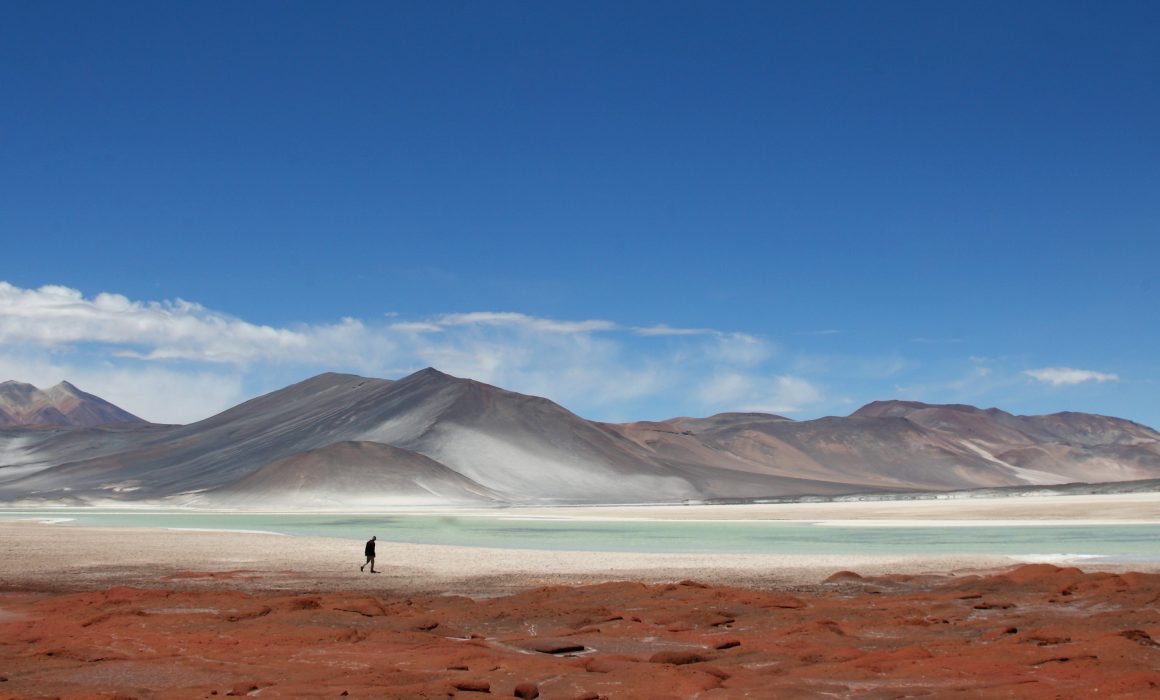
Recently, I chatted with Max Vera, the grandly titled Chief of Excursions at luxury lodge Tierra Atacama, about travelling at high altitudes. Based in San Pedro de Atacama, a village in Chile’s Atacama Desert, he helped me acclimatise with short, scenic walks and horse rides through landscapes that have been movie stand-ins for the moon, before I pushed up to the Geysers del Tatio, at 4.3km. To put that all into perspective, Latin America’s most visited site, Machu Picchu, in neighboring Peru, is the same altitude as San Pedro, at 2.4km.
Click here to read the full story, which appeared in the Traveller section in the Sydney Morning Herald and The Age newspapers.
See tierrahotels.com
Each year, I return to Egypt for so many reasons – family, kunafa, fresh, chunky mango juice and a hit of history.
This year, I teamed up with Ahmed Aziz, an Egyptologist with tour company Abercrombie & Kent, who I’ve been working with for years in Egypt. Ahmed’s been a guide through Egypt’s sites for 16 years, and together, we delved into the newly opened Bent Pyramid in Dahshour, about an hour from Cairo.
He shared some excellent advice for visitors to the Memphis necropolis, which includes the Pyramids of Giza, Saqqara and the lesser-known, little visited Dahshour, including the best places to stay, when to visit and keeping a stash of small notes to tip the haras (the temple guardians, who are drawn from the neighbouring villages).
Click here to read the full story, which appeared in the Traveller section in the Sydney Morning Herald and The Age newspapers.
Down the bottom of Chile, looking south toward Antarctica, Punta Arenas is at the confluence of the Atlantic and the Pacific Oceans, and has a subpolar, oceanic climate. Its average daytime temperature is 15 degrees and the surrounding ocean water is typically 2 degrees: no wonder no-one is swimming.
It’s the jumping off point north to the popular Patagonian adventures in Torres del Paine National Park and south to the Antarctic peninsula.
Thanks to our fabulous guide with Quasar Expeditions, we managed briefly to slip under the skin of this frontier town – where puffer jackets dominate the fashion scene, guanaco is on the menu, the waterfront wharves are covered in murals and the houses are painted bright pinks and yellows to counteract the heavy, grey skies.
To read my story, published in the Traveller section of The Age/Sydney Morning Herald newspapers, click here.