I’m a journalist, travel writer, editor and copywriter based in Melbourne, Australia. I write pacy travel features, edit edifying websites and fashion flamboyant copy. My articles and photographs have appeared in publications worldwide, from inflight to interior design: I’ve visited every continent, and have lived in three. Want to work together? Drop me a line… 

Follow


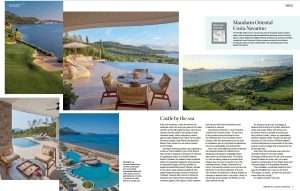
Hotel Review: Mandarin Oriental Costa Navarino, Greece, Dream by Luxury Escapes magazine

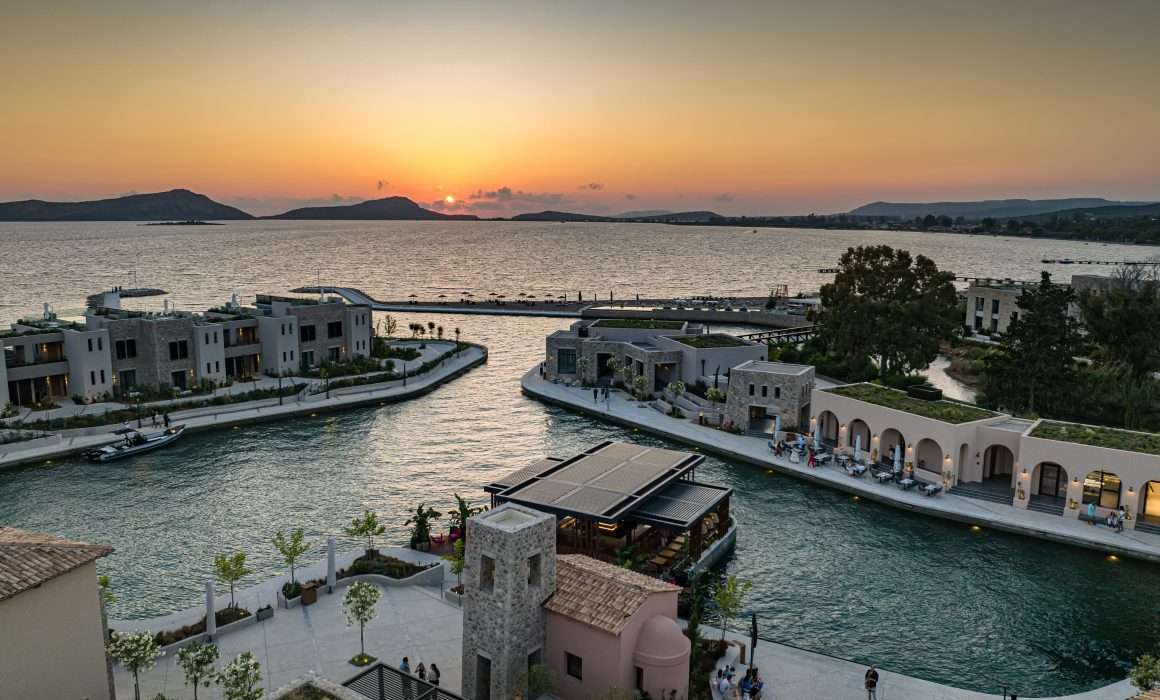
The dream assignment: go to Greece, stay at the new Mandarin Oriental Costa Navarino, on the Peloponnese coast. Reader, I acquiesced.

The hotel is about 3.5 hours’ drive south of Athens – hello, hire car/wrong side of the road/wrong side of the car dramas! But I’d seen the photos of this luxury hotel, and I knew I could survive Athens’ traffic jams to get there.

It was worth it. The location, its history and its mythology pervade all aspects of the first Mandarin Oriental hotel in Greece, from its spa to the ultra-Hellenic breakfasts, even the hotel’s architecture. Despite being a global group, it’s as Greek as yiayia’s meatballs.

I wrote about the new hotel’s opening for Luxury Escapes magazine, take a look.

For more great travel inspo, head to https://luxuryescapes.com/inspiration/
 

Strauss has Vienna in a spin, again; 200 years of the waltz in Vienna Austria: Australian Financial Review

Erotic, rebellious, scandalous. A dance to induce ecstasy, an exuberant resistance to state oppression. Yes, it’s that saucy dance with the devil, the waltz.

A staple in today’s reality TV dance competitions, the waltz was a simple peasant dance until the cosmopolitan Viennese gave it an urbane makeover in the early 1800s. Women fainted, welded-together couples scandalised – the ‘wicked’ waltz of Vienna’s 1800s was a fast and furious dance.

This year, Vienna celebrates 200 years since the birth of its ‘Waltz King’, Johann Strauss II, best known for Vienna’s unofficial anthem, The Blue Danube.

I spent a few weeks exploring Vienna, the grandest little European city, which is once again in Strauss’ grip, and wrote about it for the Australian Financial Review newspaper. To read my story in the Australian Financial Review, visit https://www.afr.com/life-and-luxury/travel/how-the-dance-of-the-devil-s-violinist-came-to-define-this-city-20250417-p5lsny or see AFR Austria, Strauss

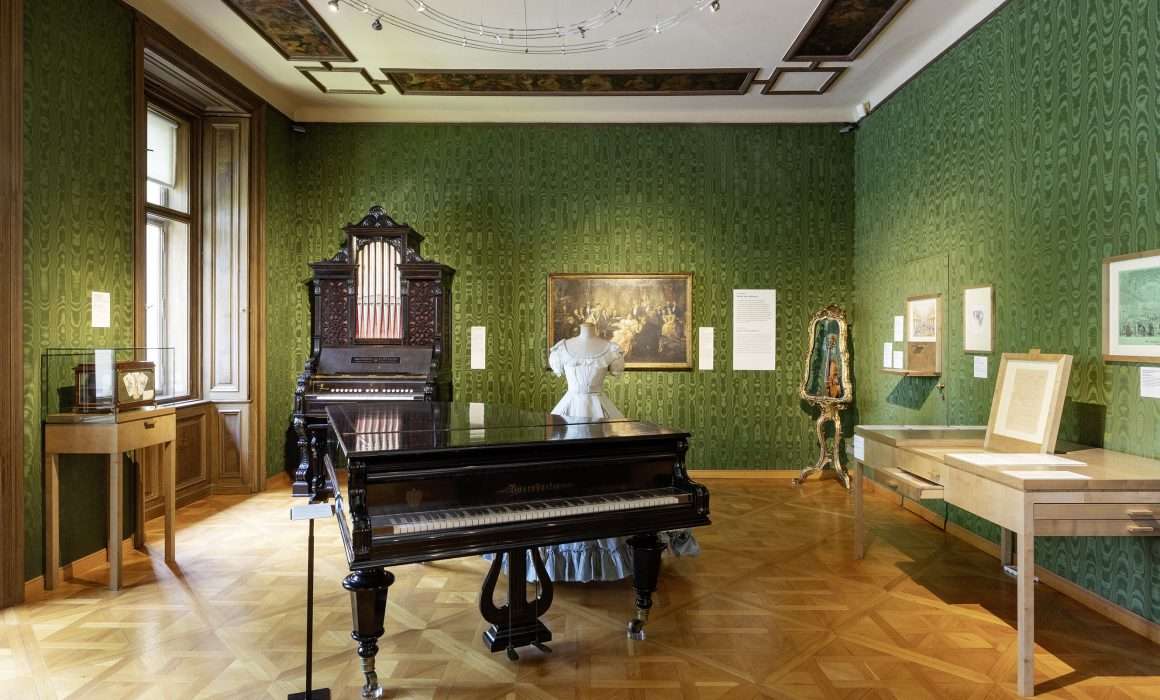
For a quick recap: Strauss was born and died in Vienna, and this year the city celebrates his bicentenary. Even if you weren’t a mad classical music fan, his life story is so full of drama (fought with his jealous dad, jealous brother burnt his original manuscripts, wives with seven children of dubious parentage, rewrite of his history by Nazi Party etc) and the digital exhibitions so good, you’ll be hooked on waltz as a political statement against authoritarianism. There are several new galleries and exhibitions in Vienna, including the interactive New Dimension exhibition, I also visited the nearly new House of Strauss, took in a dinner & rather cheesy, but fun show at the Prater. There are 65 productions and 3 exhibitions at 71 different locations throughout the city in 2025. https://www.johannstrauss2025.at/en/

For more Strauss events, visit-
Johann Strauss Museum – New Dimensions:
The shiny new permanent city centre exhibition, which opened last November, is a fascinating multimedia deep dive into Strauss’s private life and loves. He once wrote 150 love letters to Olga, who he dumped after his mother disapproved. He had three wives, Jetty, Lily and Adele, and no children. Brothers Josef and Eduard were involved in the business but in a tragic twist Eduard burnt hundreds of Strauss manuscripts. Don GPS-enabled audio headphones and compose your own waltz with technology https://www.johannstraussmuseum.at

The House of Strauss – a museum and also a concert space, where the Strauss family used to perform. The museum tour is narrated by Thomas Strauss, the great-great-great-grandson of Johann Strauss II; https://www.houseofstrauss.at

Johann Strauss Exhibition: This vibrant exhibition which opened in December at the Theatermuseum Vienna showcases the glamour of the Strauss era. Original objects from performances are on display and include the score from Die Fledermaus. Until June 23. theatermuseum.at

Wien Museum: Reopened in 2023, it has a chronological tour of the city including Strauss connections, free. wienmuseum.at


The best things to do in Sofia, Bulgaria

For streets paved with gold, what to eat and 7000 years of history, I give you my list of the best things to do in Sofia, Bulgaria.

Crossing the border from Greece, I exchange my euros for a fistful of Bulgarian lev, which I’ll spend gleefully on banitsa, a flaky breakfast pastry that in its simplest form is filo stuffed with eggs, feta and yoghurt. You might have tried bougatsa, the custard-filled Greek pastry born in Thessaloniki – it’s just one of many demonstrations that these two countries share an ancient past, evolving to add their own twist. Isn’t it funny that when we think of Greece, we think of western Europe and all its familiarity, but just cross the border and eastern Europe is a whole different approach for travellers. Is it safe? Is it poor? Is it interesting?

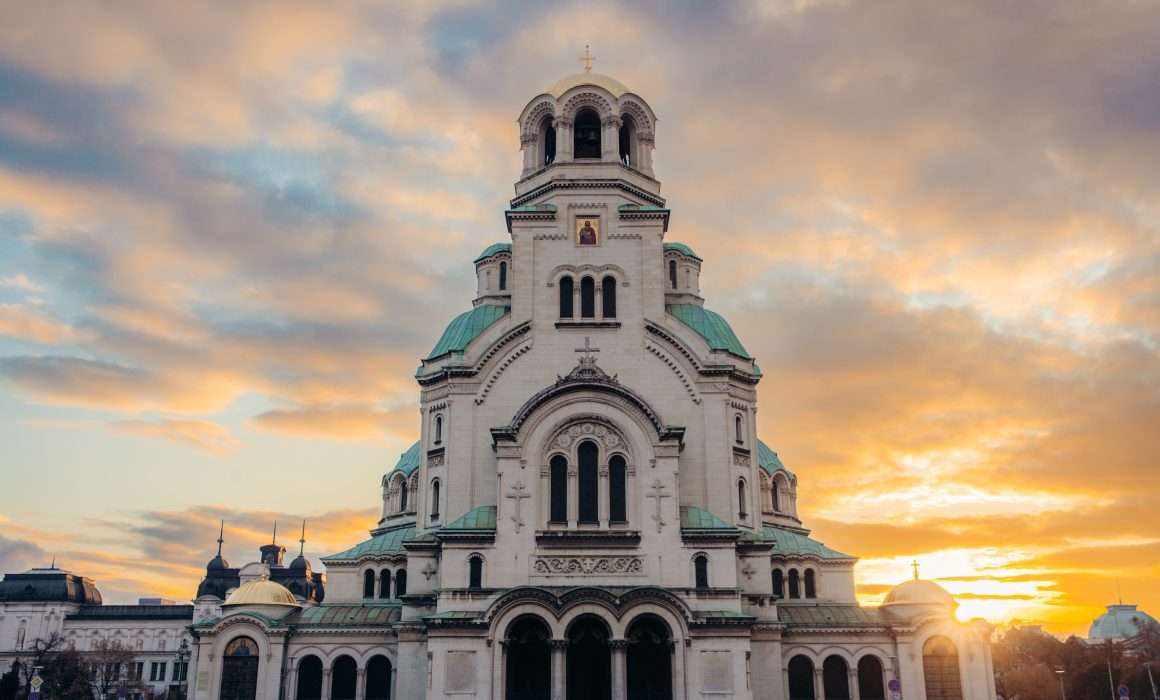
Take a look at my latest feature for the Traveller section of the Sydney Morning Herald and The Age newspapers to see if I’ve answered all these questions. I can recommend a great little art hotel in the embassy district to make your base, thoroughly recommend Bulgaria’s potent distilled fruit spirit, rakia, centuries-old churches and mosques, hundred-year-old markets and maybe you’ll also fall in love with the jaunty yellow trams that cross Sofia. The last time I visited Bulgaria, it was still shadowed by its Soviet past, so it’s fascinating to see how it tells its Communist story, from 1944 to 1989, to a new generation of travellers – see redflatsofia.com

And for disclosure, I travelled to Bulgaria by train from Greece as a guest of Eurail. From Athens, I travelled north to Greece’s second city, Thessaloniki, and then across the border to Sofia and onward to Plovdiv, using the European rail pass, Eurail.  See eurail.com

https://www.smh.com.au/traveller/inspiration/nine-must-do-highlights-of-sofia-bulgaria-20250214-p5lc49.html

And for a deep dive into Bulgaria’s food scene, you can read my piece written for Adventure.com , see https://adventure.com/off-the-eaten-path-slow-food-bulgaria/

And if you’re heading to Thessaloniki, I’ve written a ‘best of’ for that awesome city, as well – see https://globalsalsa.com/best-things-to-do-in-thessaloniki-greece/

Best things to do in Thessaloniki, Greece: Sydney Morning Herald

I have left a little piece of my heart in lovely Thessaloniki, Greece’s second city, close to the border of Bulgaria.

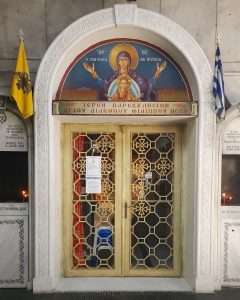
Greek Orthodox Church at Thessaloniki train station. Credit Belinda Jackson

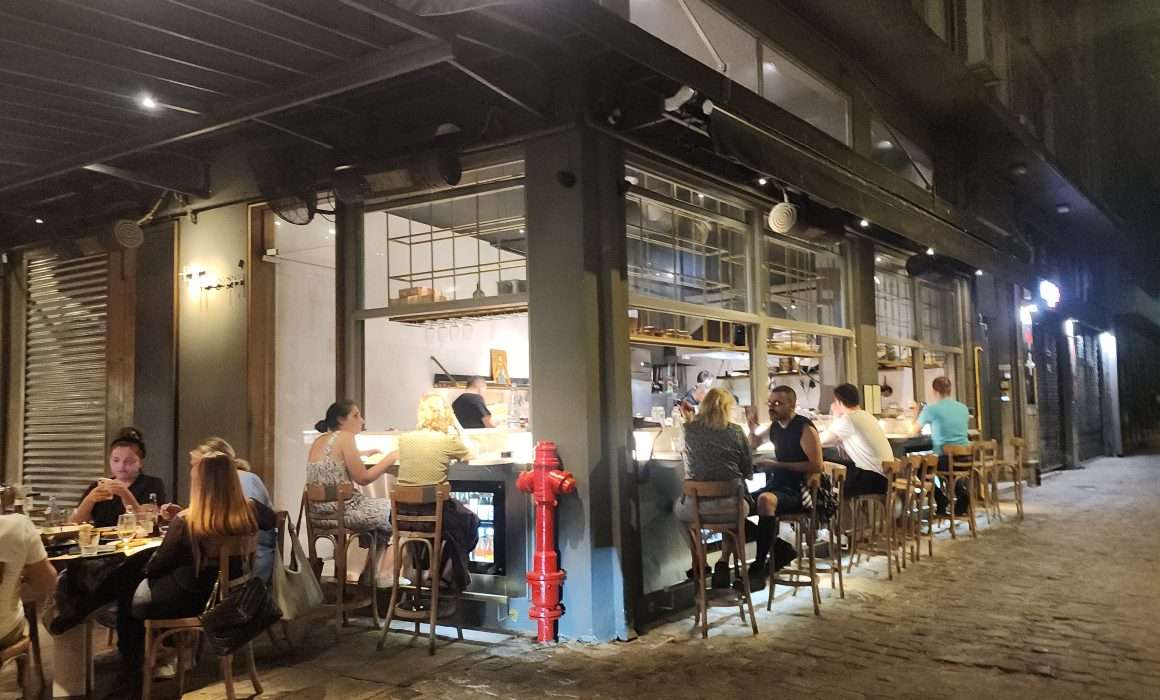
Mind you, I took away a couple of kilos thanks to its excellent dining scene, so it’s a fair trade, yes?

A mish-mash of architecture, one minute it is Greek, then next, Balkan, a third moment and its Ottoman past is showing. And then, its artistic, modern face smiles at me.

I wrote about Thessaloniki for the Sydney Morning Herald and The Age newspapers’ Traveller section – to help you explore its food scene (the city gave the world Greece’s best-known street snack – the souvlaki skewers, the pita-gyro and even bougatsa. And it was the birthplace of frappe only the Greeks could make instant coffee taste so good).

I took a train from Athens to Thessaloniki – about five hours – with a little stop for lunch in the lovely university city of Larissa. And from there, I headed up into Bulgaria, to Sofia. For disclosure, I was a guest of Eurail, which supplies European rail passes that are simple to use. Check them out at eurail.com

And to read the article in the SMH/The Age, visit
https://www.smh.com.au/traveller/inspiration/nine-must-do-highlights-of-thessaloniki-greece-20250113-p5l3sc.html

Lies, spies and disguise: visiting Albania’s museums of secret surveillance

If you ever wanted to indulge your conspiracy theories, Albania is a great place to do it.

The mountainous little country looks out to the heel of Italy’s boot, and for the last century, has played out as a field for war, foreign occupation and annexation, and the enactment of fantasies of next-level paranoid dictators.

Its capital, Tirana, is a mishmash of architecture ranging from Bronze-age fortress to Ottoman-era mosques and Soviet Brutalist monuments. But the contemporary symbol of Albanian architecture is no skyscraper or soaring minaret: it’s its bunkers.

My story about Albania’s Communist-era bunkers and the grisly House of Leaves, a museum of secret surveillance, shows a dark side to this beautiful Balkan country.

Click here to read the story, which was published in the Traveller section of the Sydney Morning Herald and The Age newspapers.

If you’re keen to read more about travelling in the Balkans, take a look at my earlier story about travelling in the lands of honey and blood.

Ten great car-free towns: from Hoi An to Hydra

Is there nothing better than a car-free town? I’m thinking those little hilltop towns dotted through Italy, the ancient marketplaces of the Middle East, the pedestrian zones of the otherwise honking, fume-laden roads of South America’s great cities.

My top 10 list includes such greats as Jerusalem’s Old City, the Princes Islands off Istanbul and beautiful Hydra, one of the Saronic islands in the Greek archipelago, which holds a special place in my heart for its donkeys and vast, opportunistic orange cat population. There’s also lovely Hoi An, Vietnam’s town of tailors and, of course, the most famous of them all, La Serenissima, aka Venice.

You can click here to read my list, published in The Age and the Sydney Morning Herald’s Traveller section.

Just after it ran, I received an email from a reader telling me that Medina Malta should have made the top 10. Overlooking the fact he had an iconic Maltese surname, he’s definitely got a point – the so-called Silent City, which has been inhabited since 8th-century BC, was another beautiful film location for King’s Landing in Game of Thrones and a worthy contender.  Do you have any suggestions?

Bringing Finnish Lapland to Helsinki, Finland

During winter, snow-laden winds sweep across lakes and tundras of Finnish Lapland, freezing all in their wake. Reindeer forage for lichen in the chilled earth, and the brief minutes the sun rises above the horizon are bookended by a deep blue twilight that heralds the return of the polar night.

A thousand kilometres south, there’s no snow on the footpaths of the Finnish capital, Helsinki, but it retains its connection with the drama of the deep north through Lapland Hotel Bulevardi, in the chic Design District.

Let me tell you: breakfast buffets, I’ve had a few. But this one – inspired by the food of Lapland – is one of the most intriguing.

To read my story, published by Essentials Magazine, click here

Best hotel breakfast buffet 2019: Helsinki, Finland

Breakfast buffets, I’ve had a few in this job. But this morning’s buffet at the Lapland Hotels Bulevardi, in Helsinki, was one of the best.

I’m currently in the Finnish capital, about to head even further north to Kuusamo, on the border of Russia and Lapland, which is why I chose to stay in this new hotel in Helsinki – to warm up to the Lappish way of life.

It was a mix of the stylish, handmade ceramics by Anu Pentik, the moody setting with its reindeer pelts and the exciting food – much of it drawn from Lapland, where the group is dominant – that makes it an absolute standout.

Top of the list was the most humble dish, an exceptional organic oatmeal porridge, slow cooked in the oven for three hours: I’m not usually a salty porridge girl, but with cherry jam and a swish of Lappish honey, it sung to me.

I couldn’t eat it all, I had to leave space for the spruce sprout smoothie and the sea buckthorn smoothie, the warm smoked salmon and the ice-cellar pickled salmon. Then the smoked reindeer and oyster mushroom omelette, a little of the reindeer blood sausage with lingonberry jam, cloudberries, blackberries, blueberries from Muonio, lingonberry pie and smoked cheeses from Kuusamo (where we head tomorrow). It took a while.

Small Girl tested the mini cinnamon rolls (korvapuusti) and hot chocolate, and declared them perfect.

The chef on the breakfast shift admitted that Lappish cuisine is protein-heavy. “Hearty,” was his diplomatic word for the array of meats, fish, cheeses and cakes that lined the buffet.

The devastating news is that because we are leaving so early tomorrow, we will miss breakfast, which rolls in until 1pm on Sundays.

No wonder Finns are so happy.

What to do in Prizren, Kosovo

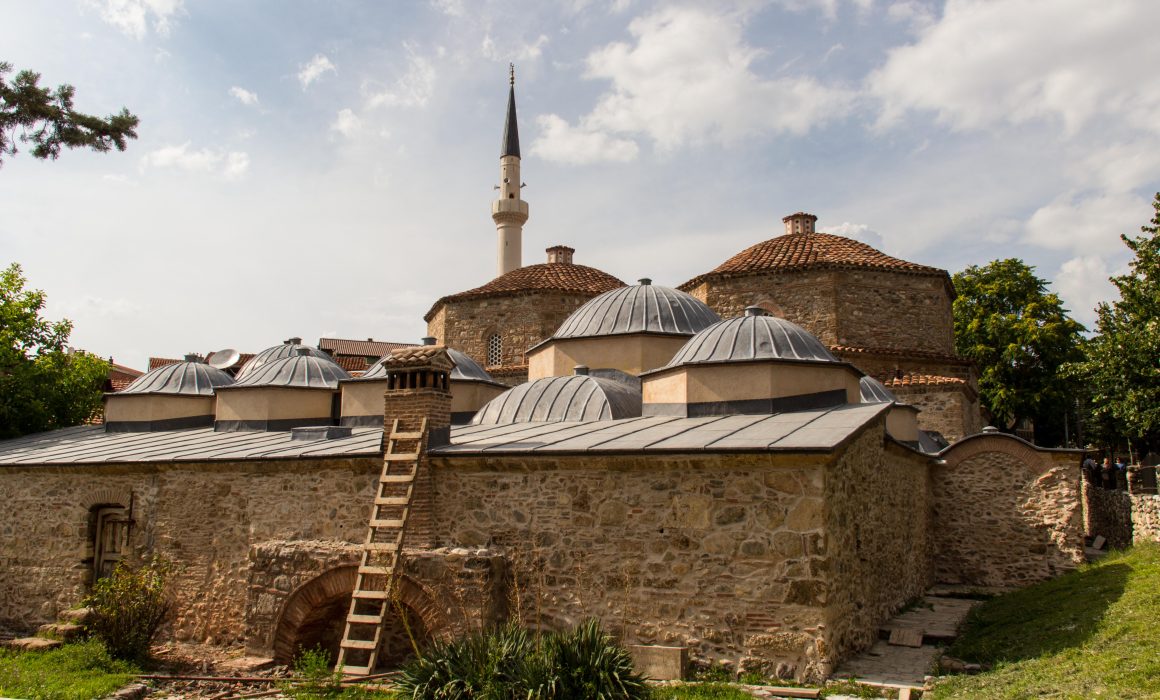
It’s the prettiest town in Kosovo, and the centre of Prizren is its Shatërvan square. Its cobbled streets are lined with cafes, snow-tipped mountains send snowmelt rushing down the river through the town’s centre, a Byzantine-era fortress keeps a watchful eye over all: what’s not to love?

If you’re venturing into the Balkans, my advice is to skip staying in little Kosovo’s rather drab, earnest capital, Pristina, and instead make Prizren your base from which to do day trips – to the vineyards, to the mountains, to the capital city.

For more tips and advice, click here to check out my story in the Traveller section of the Sydney Morning Herald/The Age newspapers

DISCLAIMER: I travelled as a guest of Intrepid Travel.

Travels in the land of honey and blood

The Balkans are literally the land of honey and blood, named by Turks who netted the peninsula – from Slovenia to Albania – into the Ottoman Empire, where it remained ensnared for five centuries until 1912. In Turkish, “bal” is honey, “kan” is blood. And as they learned, the riches are sweet, but come at a price.

This summer, I spent a couple of weeks on a tour with Intrepid Travel, from the Albanian capital of Tirana through to Kosovo and on to Macedonia, before returning back to Albania.

It was my first time in the western Balkans, though I’ve skirted around the region, in Greece, Croatia, Romania and Bulgaria, at different times of my travelling life.

So some things were familiar – using bears as novelty drawcards at restaurants, the Cyrillic alphabet – but there was plenty of new ground – seeing little red-roofed villages, the symbol of Middle Europe, clustered around a mosque, instead of a church, or the sheer beauty of the Accursed Mountains.

Beautiful and blissfully ignored by the mass tourism that pervades such European cities as Barcelona or Paris,  I almost don’t want to share them, to preserve their purity.

My story was published in the Traveller section of the Sydney Morning Herald and Melbourne’s The Age newspapers, and you can read it here .
Privacy Settings
We use cookies to enhance your experience while using our website. If you are using our Services via a browser you can restrict, block or remove cookies through your web browser settings. We also use content and scripts from third parties that may use tracking technologies. You can selectively provide your consent below to allow such third party embeds. For complete information about the cookies we use, data we collect and how we process them, please check our Privacy Policy
Youtube
Consent to display content from - Youtube
Vimeo
Consent to display content from - Vimeo
Google Maps
Consent to display content from - Google