I’m a journalist, travel writer, editor and copywriter based in Melbourne, Australia. I write pacy travel features, edit edifying websites and fashion flamboyant copy. My articles and photographs have appeared in publications worldwide, from inflight to interior design: I’ve visited every continent, and have lived in three. Want to work together? Drop me a line… 

Follow


Train travel through Greece & Bulgaria with Eurail

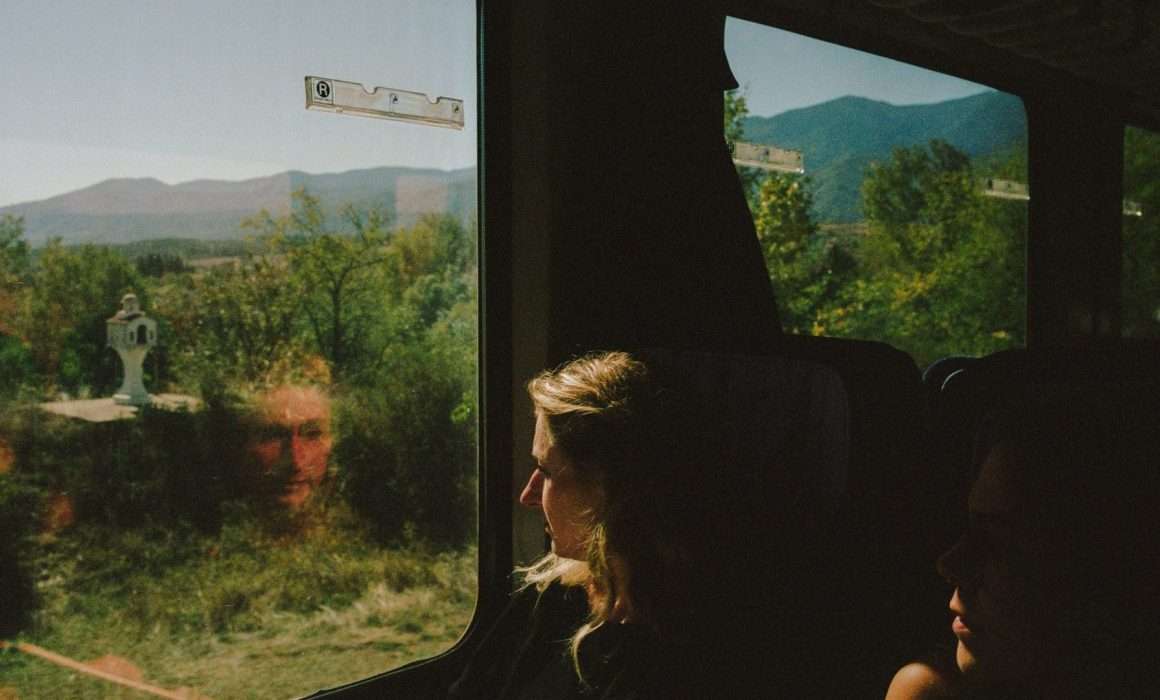
Dream assignment: train travel through Greece and Bulgaria with the sole purpose to eat, think and travel deeply and slowly.

This journey started in Athens and ended in Ploviv, Bulgaria, with European rail pass company Eurail. With chef Ella Mittas and photographer Sarah Pannell, no mouthful went uninspected or undocumented. Also with us on the trip was videographer Paulo Magalhães , who has just released the trailer for his upcoming documentary about the furthest corner of eastern Europe. We visited restaurants, farms, vineyards, villages and the primary and secondary towns of the neighbouring countries.

The short for Paulo’s upcoming documentary is now out, and I love it! To keep the story going, Ella cooked a menu inspired by the journey for a group of media here in Melbourne at Julie restaurant in Abbotsford Convent  last week, using trahana, a fermented grain and yogurt and a fabulous moussaka, which as its own, fascinating backstory.

You can also get a taste of our travels from my recent story for adventure.com https://adventure.com/off-the-eaten-path-slow-food-bulgaria/
Shuwa & chai: the best food in Oman

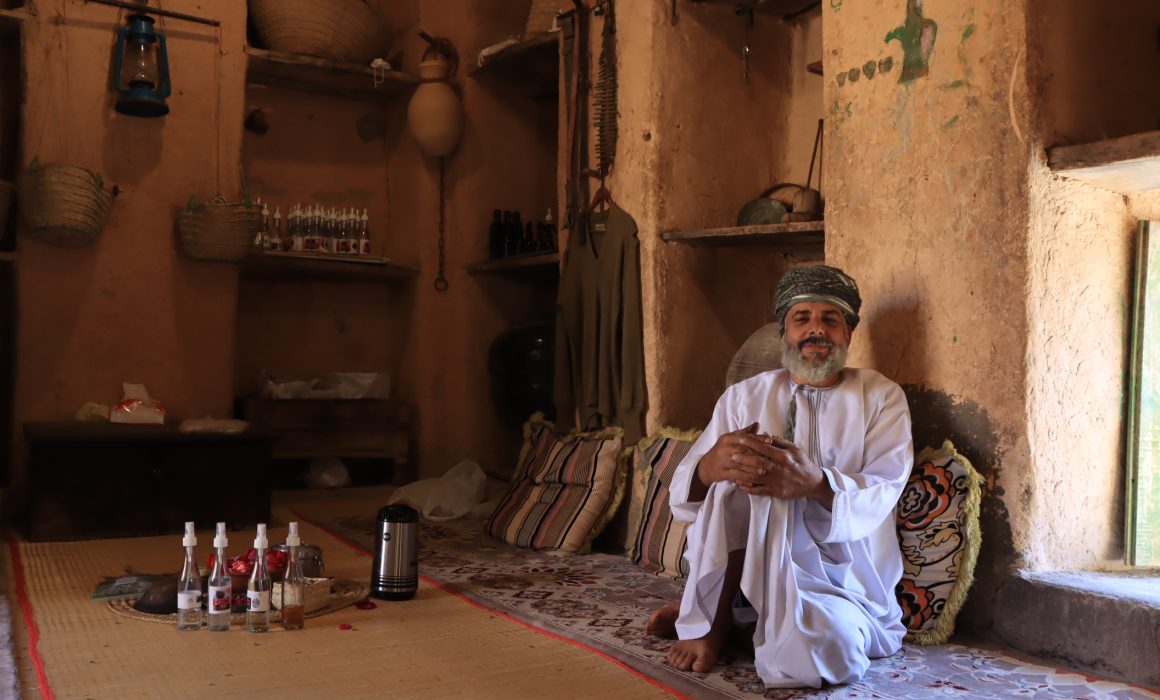
It’s sunset, and I’m in a taxi, getting a masterclass in how to order tea in Oman.

“You don’t even get out of your car to order karak chai,” says Ali, my taxi driver, wiggling two fingers.

Ali’s lesson occurs on a break on our 150-kilometre journey from the mountains to the sea, from the old capital to the new, from Nizwa to Muscat.

A runner emerges from the shop, sees two fingers for two karak, and disappears back inside, to reappear with two tiny takeaway cups.

Redolent of cardamom, cinnamon, ginger and saffron, the tea is short and sweet – the perfect fuel for the taxi driver and the traveller. After Ali pays – because I am a guest first, and a customer second – we pull back onto the smooth, mountain-lined highway, hot tea carefully balanced in hand, for the descent to the turquoise sea.

One of my great trips of 2024 was a solo trip back to Oman, the Switzerland of the Middle East. Wealthy, calm, no high-rises, welcoming to all travellers. I’m afraid word is out about the reputation of this lovely little country on the eastern edge of the Arabia Peninsula – afraid because I kind of want it all to myself. Muscat has welcomed a brace of new hotels, and the glamping scene in the deserts are a feature on instagrammers’ feeds, but it hasn’t rolled over to change to suit travellers’ needs. That’s what I love about it. You go to Oman, you know you’re in Oman, not a generic version of a Middle Eastern country. It is genuinely warm and welcoming – saying this as a woman travelling alone in the country, and that doesn’t need to change.

I think that while there’s so much turmoil and tragedy in other parts of the region – the escalation of the Palestinian invasion, conflict in Lebanon and now in Iran – so many people are wary of visiting any country in the Middle East. But when there’s a problem in France, do we stop visiting Greece?

In Oman, I stayed at Anantara Jebel al Akhdar, at the Shangri-La Al-Husn (which is the adults-only hotel within this group, on the outskirts of Muscat and in Nizwa. The Anantara and Shangri-La stays were both hosted.

To read my full story written for the Sydney Morning Herald and The Age’s Traveller section, click here:
https://www.smh.com.au/traveller/inspiration/peaceful-middle-eastern-country-is-underrated-and-understated-like-its-food-20241111-p5kpi7.html

Saudi Arabia on a plate

Camel kebabs, gold-flecked savoury porridge, shakshuka, mint tea, green coffee and lots and lots of dates. Eating in Saudi Arabia is an adventure in its own right.

I recently wrote a story about food in Saudi Arabia for Gourmet Traveller magazine, detailing my delicious meanderings amongst oases, deserts and desserts.

Click to read
about street eats and Michelin-starred restaurants serving up food beneath the stars, on desert sands and in the mudbrick town of oasis AlUla and seaside city of Jeddah.

All this takes place as Saudi Arabia transforms from secretive kingdom to global leader of luxury travel, with the money and imagination to make even the most incredible projects manifest.

In a whiplash reversal of protocol that took place just before the global pandemic, non-religious tourists are now welcomed into the Kingdom.

Women don’t need to cover their hair and while I admire and covet Saudi women’s dramatic abayas – long, often beautifully embroidered cloaks – there is no requirement for me to be so covered; simply modest clothing is just fine.

What to learn more about travelling in Saudi Arabia? Click to read more of my stories, such as travelling solo as a woman in Saudi Arabia.

The dish we missed: chefs name their most delicious travel memories

After two years of lockdown here in Australia, where we couldn’t leave our country, what’s the dish you missed the most? I chatted to 10 of Sydney and Melbourne’s top chefs about those delicious travel memories they hold dear, and where they’re heading when they’re back on a plane this year.

I reckon I’m booking a ticket to Spain to take Brigitte Hafner’s recommendation for slow-cooked lamb in Rioja. Or maybe I need to go back to Turkey for Iskander kebab, which Paul Farag reminded me of. Or snapper cerviche on a beach in Lima, Peru.

If you’re not heading overseas, chefs including Shannon Martinez, Christine Manfield and Scott Pickett also shared some favourite dishes closer to home, within Australia, from dumplings at Supernormal in Melbourne to arkhe in Adelaide, for the Parfait Tartlet a la Burnt Ends.

Click here to read the story, published in the Traveller section of The Age and the Sydney Morning Herald newspapers.


Down on the farm, Bhutan style

My farmhouse, Phobjike valley
It’s seven o’clock at night and the family has sat down for dinner. I can’t say the Jones
family, because Bhutanese don’t use surnames. But to draw you a picture,
there’s four generations in the room: granny and grandpa, mum and dad, their
daughter, her two-year-old daughter and seven-year-old niece.
They sit in a large circle that includes me, my guide Tshering and driver Tensing.
There are no tables or chairs in the Bhutanese house. Everyone sits on thin mats around the bhukhari (wood stove), and I admire the effortless half-lotus position that the 79-year-old grandfather, Tshewangla, adopts for his light dinner.
The white rice is sticky and is rolled with your hand into a tight ball and daubed with chilli cooked in
cheese sauce. Chilli is not a flavouring, chilli is a vegetable to be eaten at every meal, including breakfast.
Until 18 months ago, the women did all the cooking on a two-ring gas burner and on the wood stove. There was some light from the solar panels, but electricity has
changed all that. The warm kitchen is all very comfortable, with a fluorescent light above and a home-grown soapie on tv. A little cat sleeps by the wood
stove, and I spot a rice cooker, microwave, toaster and fridge. Butter and cheese are still often wrapped in rhododendron leaves to stop it from going hard.
Namgay Pem and her husband Phub Gaytshey.
“Electricity has changed our lives,” says Namgay Pem, the mother of the house. It’s helped them to have better sanitation and everyone loves the soap opera, which won an international award for its role in educating people about the dangers of HIV.
That night, as a special guest in a full house, I sleep in the altar room. Namgay’s husband, Phub Gaytshey, is a lay monk, and the room’s walls are covered in
elaborate paintings that pulsate with colour. One complete wall is taken up with a deep altar which Phub attends carefully each morning.
After Phub demonstrates his ritual of offering tea, incense, water and three prostrations to the altar, the two little girls show me their new three-day-old calf, safe
in a manger attached to the kitchen, and we pop a few arrows: archery is Bhutan’s national sport, and their obsession is comparable to, say, the AFL or English league.
We clamber in the 4WD to slip and slide up the muddy driveway, waving to the family. There is no word for ‘goodbye’ in Dzongkha, only ‘see you again’.
Global Salsa

Well, you’ve scrolled this far. What do you think? Drop me a line, I’d love to hear from you.

Privacy Settings
We use cookies to enhance your experience while using our website. If you are using our Services via a browser you can restrict, block or remove cookies through your web browser settings. We also use content and scripts from third parties that may use tracking technologies. You can selectively provide your consent below to allow such third party embeds. For complete information about the cookies we use, data we collect and how we process them, please check our Privacy Policy
Youtube
Consent to display content from - Youtube
Vimeo
Consent to display content from - Vimeo
Google Maps
Consent to display content from - Google